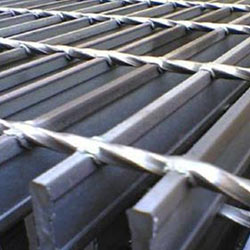
Aluminum Ladder Cable Tray
Engineered with welded I-beam side rails and knurled rungs spaced at 150mm, 225mm, or 300mm. Offers maximum free air heat dissipation for high-voltage industrial cables while minimizing dust and debris build-up.

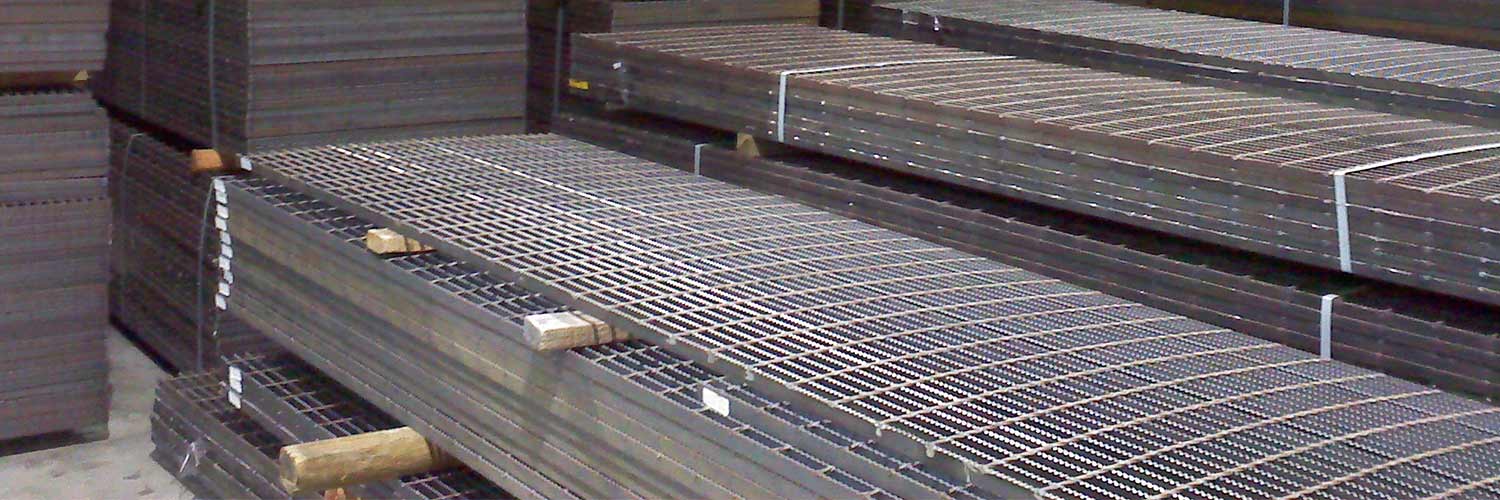

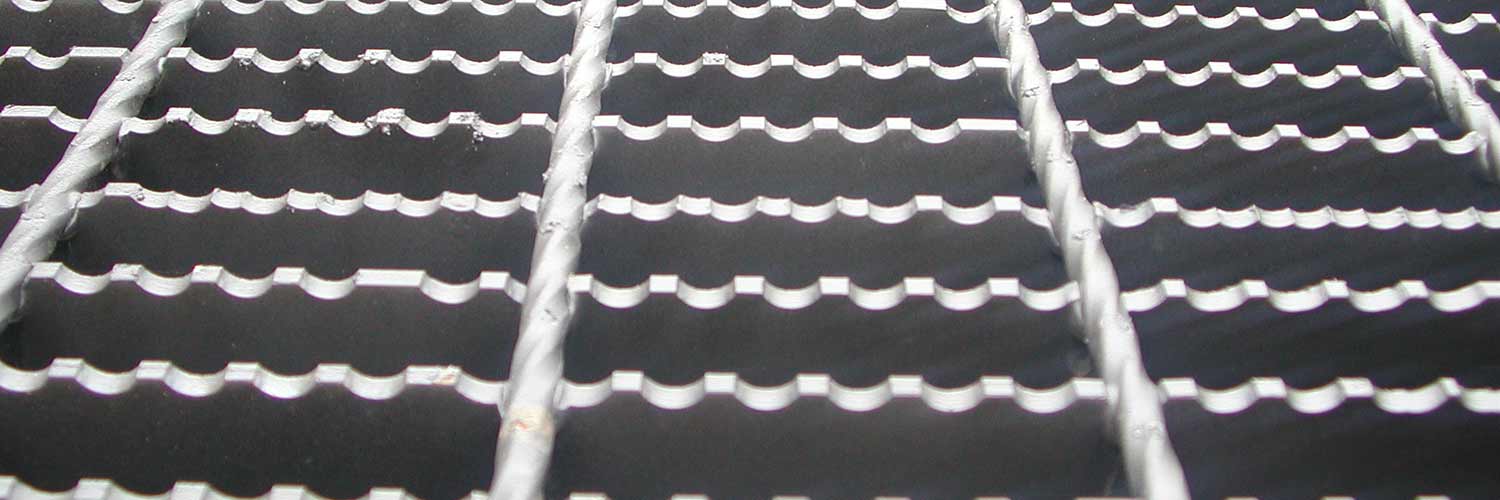
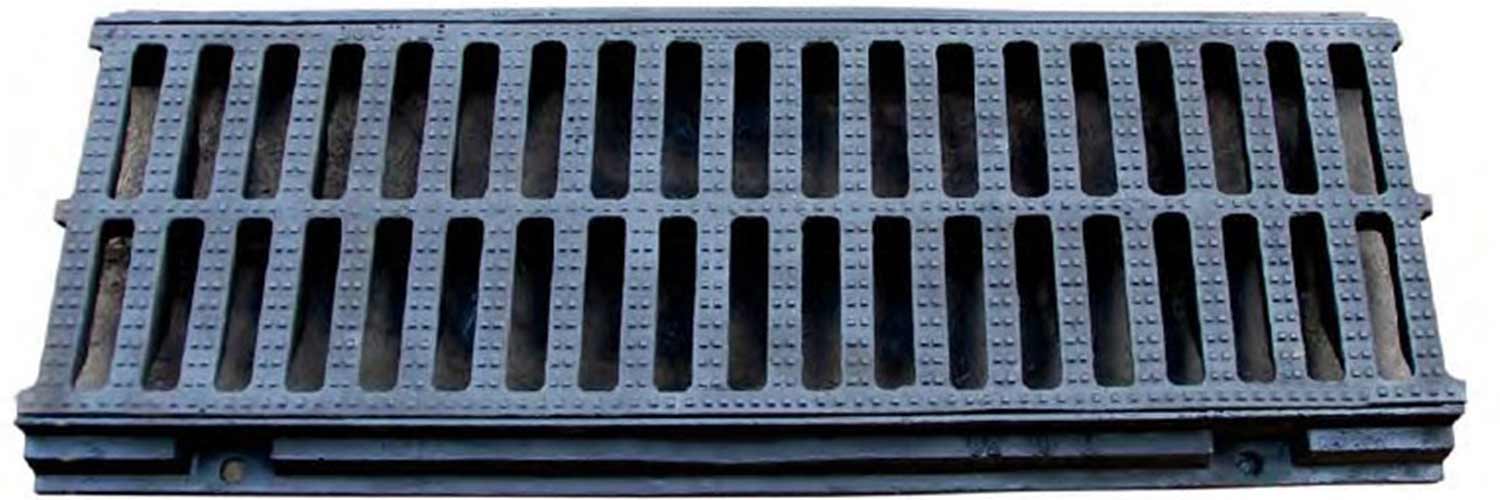
In high-density power distribution, offshore oil skids, coastal petrochemical processing, and hyperscale data infrastructure, the selection of cable containment is no longer a secondary hardware decision—it is a critical mechanical and electrical performance determinant. Structural engineers, EPC project directors, and electrical procurement specialists routinely face complex trade-offs between dead load constraints, aggressive atmospheric corrosivity, short-circuit containment forces, and long-term operating costs.
Manufactured from structural marine-grade 6063-T6 extruded alloys, Omkar Gratings Pvt Ltd engineers advanced Aluminum Cable Tray solutions built to satisfy stringent NEMA VE 1, NEMA VE 2, and IEC 61537 parameters. By combining one-third the weight of galvanized steel with self-passivating surface resistance and superior electrical conductivity, our custom aluminum tray systems eliminate maintenance cycles and simplify elevated installation across the world's most demanding projects.
Every industrial infrastructure project demands specific cable support spacing, thermal dissipation, and structural rigidity. Our modular aluminum cable containment portfolio is precision manufactured to exact drawings.
Engineered with welded I-beam side rails and knurled rungs spaced at 150mm, 225mm, or 300mm. Offers maximum free air heat dissipation for high-voltage industrial cables while minimizing dust and debris build-up.
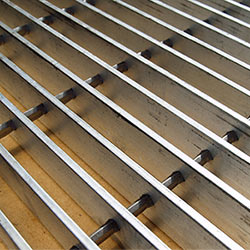
Formed from marine alloy sheets with CNC-punched slot configurations. Provides continuous bottom support to prevent cable sag for sensitive instrumentation lines while allowing downward condensation drainage.
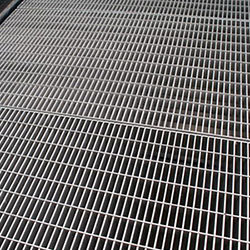
Designed for mission-critical signal cabling requiring absolute protection from electromagnetic interference, hot spark droppings, physical impact, or direct chemical washdowns in offshore processing rooms.
When engineering cable trays for coastal refineries, offshore platforms, and wastewater facilities, material lifespan is defined by corrosion chemistry. Hot-dip galvanized carbon steel depends on a finite layer of zinc coating (typically 65 to 85 microns). In marine air loaded with chlorides (Cl⁻) and sulfur dioxides (SO₂), this zinc barrier converts into soluble zinc salts, eroding at rates of 2.1 to over 4.2 µm annually in C5 environments—leading to red rust formation within 10 to 15 years.
Conversely, Omkar Gratings manufactures its structural components from 6063-T6 extruded aluminum alloy. Upon exposure to ambient oxygen, aluminum immediately generates a non-porous, microscopic aluminum oxide (Al₂O₃) barrier layer that adheres tenaciously to the metal substrate. If scratched or subjected to abrasive installation wear, this passivation layer regenerates spontaneously, delivering over 50 years of maintenance-free service life without requiring zinc touch-ups or hazardous recoating operations.
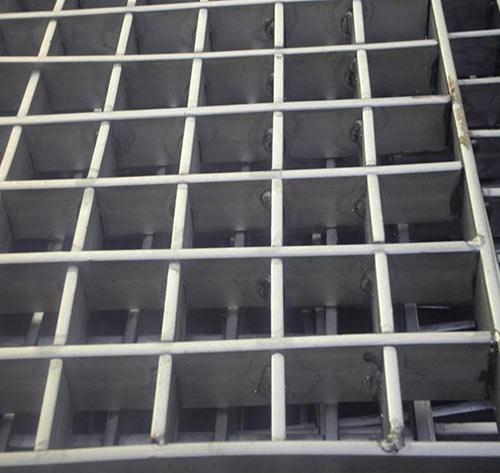
Under National Electrical Code (NEC 392.60) and NEMA VE 1 / NFPA 70 specifications, continuous metallic cable tray systems may serve as an Equipment Grounding Conductor (EGC). The electrical conductivity of structural aluminum alloy 6063-T6 is approximately 53% IACS (International Annealed Copper Standard), which is more than three times higher than typical carbon structural steel (approx. 12-15% IACS).
This inherent conductivity allows engineering teams to omit redundant bare copper grounding conductor cables throughout the tray run, yielding substantial savings in raw material costs and installation labor. Omkar Gratings supplies fully tested, UL-classified aluminum splice connectors with serrated bonding ribs and stainless steel fasteners that penetrate the oxide layer to guarantee low-impedance electrical continuity under catastrophic phase-to-ground fault conditions.
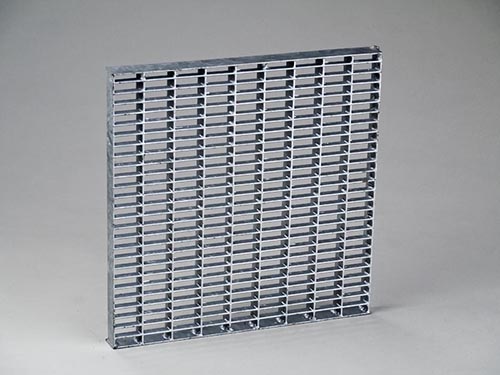
Two often-overlooked variables in industrial cable design are cable thermal heat dissipation and structural thermal expansion. Power cables generating high I²R resistive losses require continuous cooling air circulation. The open architecture of an aluminum ladder cable tray reduces heat trapping compared to conduit systems, allowing engineers to maintain higher cable ampacity ratings and avoid expensive wire gauge up-sizing.
Because aluminum's thermal expansion coefficient is approximately 23.1 x 10⁻⁶ m/m°C (double that of steel), our application engineering department designs custom expansion joint splice plates for continuous outdoor runs. Placed every 18 to 24 meters, these sliding joint connections accommodate seasonal expansion differentials from -30°C to +60°C without mechanical distortion or buckled fasteners, maintaining precise structural alignment.
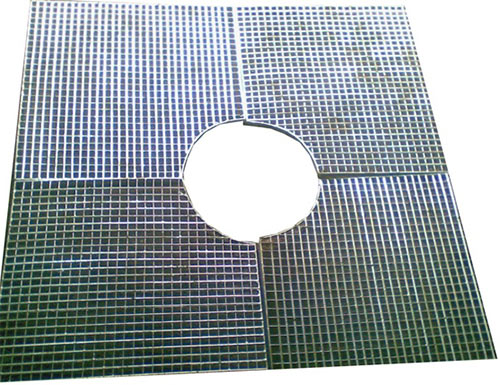
Global supply chains and engineering mandates are pivoting toward decarbonization, lifecycle durability, and rapid modular construction. Explore the key drivers transforming global tray procurement.
100% recyclable aluminum significantly cuts embodied carbon in green-building and LEED-certified infrastructure compared to energy-intensive galvanized steel smelting.
Exploding server density demands ultra-lightweight overhead ceiling-suspended cable trays that maximize dynamic air cooling and ease rapid re-cabling.
Harsh marine splash zones and green hydrogen plants require non-sparking, C5-M rated containment alloys that resist salt aerosol corrosion without ongoing maintenance.
Modular EPC construction favors lightweight aluminum trays that reduce structural transport weight, simplify crane hoisting, and cut on-site bolting hours.
A rigorous quantitative benchmark compiled by our engineering team to assist EPC procurement managers in balancing structural safety, installed weight, and total cost of ownership (TCO).
| Criteria / Parameter | 6063-T6 Extruded Aluminum | Hot-Dip Galvanized (HDG) Steel | AISI 316 Stainless Steel | FRP / GRP Composite |
|---|---|---|---|---|
| Density / Self-Weight | ≈ 2,700 kg/m³ (Lightest metallic option) | ≈ 7,850 kg/m³ (Extremely heavy) | ≈ 8,000 kg/m³ (Heavy load) | ≈ 1,800 kg/m³ (Lightweight non-metal) |
| Atmospheric Corrosivity | High natural resistance via Al₂O₃ passive oxide | Sacrificial zinc coating; degrades in marine air | Superior pitting and chemical resistance | Zero corrosion; unaffected by salts & moisture |
| Installation Labor & Speed | Low: Fast hand-lifting, easy cutting on site | High: Heavy cranes and cold galvanizing touch-ups required | Medium/High: Complex cutting and field drilling | Medium: Specialized blades required; dust safety |
| Grounding Conductivity (EGC) | Excellent (≈ 53% IACS); acts as system EGC | Moderate (≈ 12-15% IACS); may require copper wire | Poor (≈ 2-3% IACS); requires external jumper | Non-conductive insulator; zero grounding capacity |
| UV Stability & Ageing | Indefinite; unaffected by direct sunlight & UV | Indefinite under intact zinc coating | Indefinite; completely impervious to sunlight | Susceptible to UV degradation & blooming over time |
| Lifecycle Cost (30-Year TCO) | Lowest: Zero recoating, simple support framing | High: Maintenance repainting or premature replacement | High initial capital; low maintenance | Moderate: Periodic resin inspection needed |
Engineering note: Always calculate support beam sizing, seismic restraints, and span deflection limits using project-specific wind and ice loading per ASCE 7 or Eurocode 1.
Source complete cable management, support brackets, and grating platforms from a single engineering manufacturer to ensure consistent tolerances, matching alloys, and consolidated shipping.
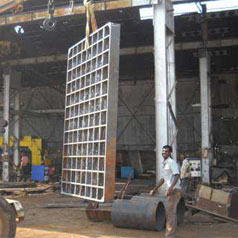
Hot-dip galvanized and structural aluminum wall brackets, trapeze hangers, and structural channel frames engineered for heavy industrial cable tray payloads.
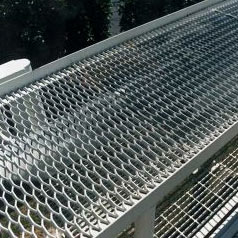
Solid, flanged, peaked, and ventilated louvred aluminum covers providing mechanical protection against sunlight, falling debris, and harsh weather.
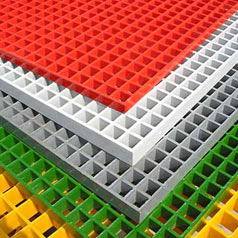
Engineered pultruded fiberglass systems for acid tanks and non-metallic battery room deployments, supplied alongside aluminum trays.
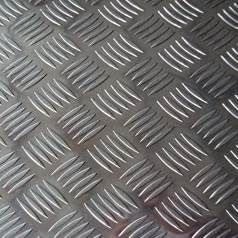
Removable floor plates and cable trench covers designed to protect buried cable pathways in power substations and industrial facilities.
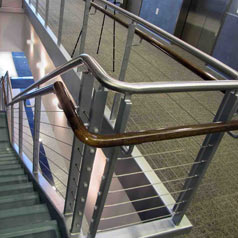
Structural walkways, catwalks, and companion stairs matching elevated cable tray bridge runs across plant structures.
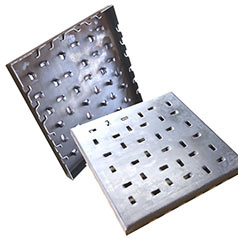
Durable impact-resistant metallic tiles engineered for control rooms, transformer bays, and heavy switchgear rooms.
Delivering high-performance grating and cable tray packages to international project drawing requirements across 40+ countries.
Unlike catalogue distributors selling fixed-length sections, Omkar Gratings operates around bespoke engineering drawings. Our technical office directly ingests structural 3D CAD, BIM, and electrical isometric layouts, generating precision bill of materials (BOM), custom horizontal elbows, vertical tees, reducer assemblies, and calculated expansion lengths.
Our automated production facilities feature heavy-duty forging presses (100+ tonnes hydraulic force on electroforged lines), precision CNC punching stations, automated TIG/MIG welding lines, and rigorous dimensional tolerance verification. Every tray panel and fitting is tagged to project part-marking schedules, ensuring smooth job-site sorting and reducing field installation time.
Our testing protocols verify mechanical load deflection, electrical continuity, and alloy composition. With in-house optical emission spectrometry (OES), we verify the metallurgy of every aluminum 6063-T6 and 6061 billet, and issue complete 3.1 Mill Test Certificates with every shipment.
A transparent four-stage process designed to support EPC planning and client quality inspection milestones.
We review your single-line diagrams, cable schedules, tray widths, and support span distances to verify structural load capacity and deflection limits.
Structural 6063-T6 rails are extruded, CNC punched, and precision welded into ladder rungs or ventilated patterns matching project specifications.
Fittings, splice connectors, and bonding joints undergo factory dimension checks, deflection testing, and pre-fit verification before export packing.
Parts are labeled to match CAD spool tags, packed on export pallets, and dispatched with complete 3.1 MTRs and inspection dossiers.
Detailed technical responses to the practical questions most frequently posed by electrical consultants, EPC estimators, and site engineers.
Aluminum alloys like 6063-T6 form a spontaneous, self-healing aluminum oxide passive film upon atmospheric exposure, providing reliable defense against humidity, sulfur compounds, and airborne chlorides without sacrificial coatings. By contrast, HDG steel relies on a sacrificial zinc patina that steadily erodes in coastal C4/C5 marine environments at rates of 2 to 4+ microns per year. Furthermore, aluminum offers approximately 66% weight savings over structural steel, minimizing dead load on pipe racks and modular offshore topsides.
Yes. Under NEC (National Electrical Code) Article 392 and NEMA VE 1 / NFPA 70 guidelines, aluminum cable tray side rails are recognized as Equipment Grounding Conductors, provided their cross-sectional area meets minimum electrical conductance requirements. Ground continuity is maintained across sections using UL Classified bonding jumpers or serrated high-conductivity splice plates across expansion joints and directional fittings.
Galvanic corrosion can occur when dissimilar metals are in direct contact within a conductive electrolyte. To prevent bimetallic corrosion between aluminum trays and carbon steel structural supports, Omkar Gratings supplies dielectric isolation pads (such as neoprene, EPDM, or Santoprene), heavy-duty nylon-coated clamp hardware, or 316 stainless steel fasteners equipped with insulating sleeve bushings.
Aluminum has a linear thermal expansion coefficient of approximately 23.1 x 10⁻⁶ m/m°C, roughly double that of carbon steel. For long outdoor runs subjected to daily or seasonal temperature swings exceeding 30°C to 50°C, expansion splice plates must be placed at calculated intervals (typically every 18 to 24 meters depending on temperature differential) using slotted bolt holes and step-shoulder bolts to prevent buckling while maintaining electrical grounding bonding.
EPC procurement teams should supply the required structural standard (NEMA VE 1 class, e.g., 12C, 20B, 20C or IEC 61537 safe working load), tray type (ladder, ventilated, solid bottom), side rail height, rung spacing (6, 9, or 12 inches), system width (150 mm up to 1000 mm), support span distance, design cable mass load (kg/m), seismic/wind environmental factors, and target delivery schedule.
Send us your bill of quantities (BOQ), structural drawings, and corrosion requirements. Our engineering specialists will verify load spans, thermal expansion allowances, and deliver a competitive factory-direct quote.