
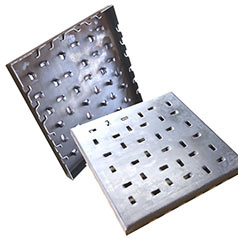
Reinforced Armor Flooring Engineered for Extreme Industrial Impact
Omkar Gratings (Omkareshwar Engineering) manufactures premium industrial steel floor tiles designed specifically for green-field industrial complexes, heavy assembly lines, foundry forge shops, and high-abuse manufacturing environments.
By combining the exceptional compressive strength of industrial concrete with the superior tensile impact resistance of formed steel, our metal tiles prevent concrete crumbling, cratering, and costly production shutdowns caused by heavy forklift wheel loads and dropped metal components.
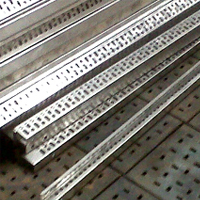
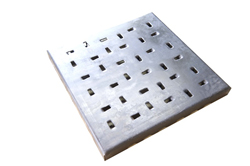
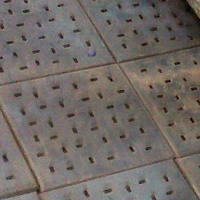
Steel Tiles vs Conventional Concrete Flooring
Understand why heavy engineering operations worldwide replace high-wear concrete with modular steel flooring tiles.
Omkar Industrial Steel Floor Tiles
- Absorbs point-shock loads of dropped molds, tools, and metal parts without fracturing
- Carries relentless rolling traffic: forklifts, heavy pallet jacks, steel-wheeled dollies
- Localized maintenance: individual damaged tiles replace in minutes with minimal downtime
- Dual anti-skid profiles (capsule & perforated) reduce slipping hazards in oily, wet bays
- Resistant to severe thermal gradients, molten metal splashes, and aggressive washdowns
Standard Industrial Concrete Flooring
- Cracks, chips, and craters under severe mechanical shock loads and steel tooling impact
- Generates concrete dusting under intensive, continuous high-tonnage wheel movement
- Repairs demand wide excavation, dust containment, 28-day curing, and line shutdown
- Surface sealers wear off rapidly, creating friction loss and hazardous slip surfaces
- Susceptible to chemical absorption, corrosion from oils, and aggressive spalling
Engineering Matrix & Material Grades
Standard and bespoke configurations fabricated precisely to plant specifications and architectural drawings.
| Standard Dimensions | Duty Rating | Nominal Thickness | Material Options | Surface Textures & Finishes |
|---|---|---|---|---|
| 300 mm × 300 mm (12″ × 12″) Height: 25 mm (1″) | Light Industrial Duty | 2.0 mm | Mild Steel / SS 304 / Aluminum | Self Color (Black), Anti-Rust Red Oxide Primer, Capsule Anti-Skid |
| 300 mm × 300 mm (12″ × 12″) Height: 25 mm (1″) | Medium Heavy Duty | 2.5 mm | Mild Steel / SS 304 / SS 316 | Hot-Dip Galvanized, Perforated Traction, Natural Mill / Passivated |
| 300 mm × 300 mm (12″ × 12″) Height: 25 mm (1″) | Extreme Heavy Duty | 3.0 mm | Mild Steel / SS 316 / SS 316L | Hot-Dip Galvanized, Anti-Skid Embossed, Pickled & Passivated |
| 250 mm × 250 mm (10″ × 10″) Height: 25 mm (1″) | Medium to Heavy Duty | 2.0 mm / 2.5 mm / 3.0 mm | Mild Steel / SS 304 / SS 316 | Black, Red Oxide, Hot-Dip Galvanized, Capsule Pattern |
Demanding Applications & Installation Arenas
Installed where standard floor coatings, epoxy screeds, and unreinforced concrete fail.
Foundries & Forging Shops
Withstands severe heat, abrasive iron scale, and heavy billet drops around hammer zones and furnace charging areas.
Heavy Engineering & CNC Facilities
Protects sub-flooring from dropped tooling, steel jigs, turning scrap, and heavy die change maneuvers.
Dairy & Commercial Kitchens
Manufactured in food-grade SS 304/316 to resist organic lactic acids, hot water sanitization, and heavy milk can trolleys.
Tyre & Cable Manufacturing Plants
Endures extreme rolling point-loads from continuous bobbin carriers, vulcanizing car transfers, and forklift lanes.
Locomotive & Automotive Assembly
Resistant to gearbox fluid exposure, heavy battery pack tuggers, and intense, continuous tow-train traffic.
Chemical & Aluminum Smelters
Non-reactive stainless alloys resist acid vapors, brine splash, and anode transport impact along process halls.
Equipment Maintenance Bays
Provides a tough, non-cracking metal surface capable of handling hydraulic jack stands, outriggers, and crane hook impacts.
Loading Docks & Pallet Corridors
Eliminates perimeter spalling and joint degradation at transition ramps and high-volume freight dock thresholds.
Recommended Method of Installation
Follow standard engineering laying procedures to ensure void-free mechanical bonding into the wet concrete bed.
1. Base Bed Preparation
Prepare the structural PCC sub-base to desired grades. Ensure the receiving slab is level, clean, and mechanically sound.
2. Specified Mortar Formulation
Mix 1:2:4 ratio concrete in the top 1.5″ (40 mm) layer: 1 part cement, 2 parts clean river sand, and 1.5 parts small aggregate / stone gravel.
3. Controlled Water Addition
Add approximately 4.5 gallons of clean water per bag of Portland cement to maintain optimum density and prevent air cavities under tiles.
4. Embedding & Alignment
Firmly embed tiles into the wet concrete, gently tamping with rubber mallets until anchor tabs lock solidly into the substrate matrix.
Frequently Asked Questions on Steel Flooring Tiles
Why are steel floor tiles superior to plain industrial concrete floors?
Under extreme point loading and continuous heavy impact from dropped parts, forklifts, or steel-wheeled carts, standard industrial concrete spalls, cracks, and deteriorates. Steel floor tiles distribute impact stresses across their surface and provide a ductile armor layer. In case of localized severe damage, individual steel tiles can be replaced quickly without excavating large sections of concrete.
What surface designs are available for anti-skid performance?
Omkar Gratings offers two precision die-formed patterns: capsule anti-skid surface patterns and perforated textured designs. Both offer reliable mechanical traction in environments contaminated with machine oils, coolants, hydraulic fluids, and water.
What is the recommended installation method for steel floor tiles?
Tiles are typically embedded into the top 1.5 inches (approx. 40mm) of freshly poured concrete with a recommended mix ratio of 1:2:4 (1 part cement, 2 parts clean sand, 1.5 parts fine gravel/aggregate, with approximately 4.5 gallons of water per bag). The anchor lugs on the underside bond securely into the wet mortar matrix to eliminate voids and delamination.
Which steel grade should be specified for corrosive or food processing facilities?
For dairy, beverage, pharmaceutical, and chemical plants, we manufacture tiles in AISI 304, 316, and 316L stainless steel. Stainless steel tiles resist organic acids, sanitizing agents, and continuous washdowns while maintaining structural durability.
Can paint or special coatings be applied directly over steel tiles?
Surface coatings on the underside are strictly not recommended as they weaken the adhesive bond between the steel anchors and concrete matrix. For corrosion protection, we supply tiles in self-color (black), anti-rust red oxide primer, or hot-dip galvanized per international standards.
Need Industrial Steel Floor Tiles for an Upcoming Plant?
Send your project drawing, floor square footage, and load conditions. Our engineering team provides custom size quotes and sea-worthy export packing worldwide.