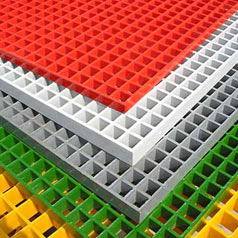
FRP Ladder Cable Trays
Engineered for high-power transmission distribution requiring maximum heat dissipation and superior structural support across continuous long spans up to 6 meters.
Send an Inquiry

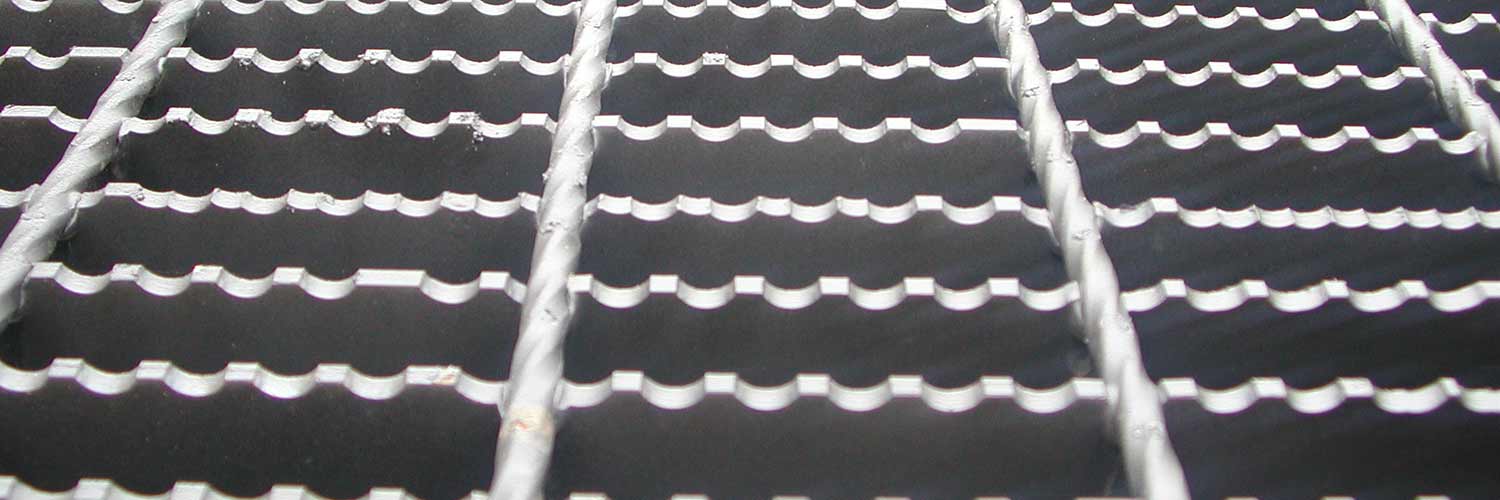
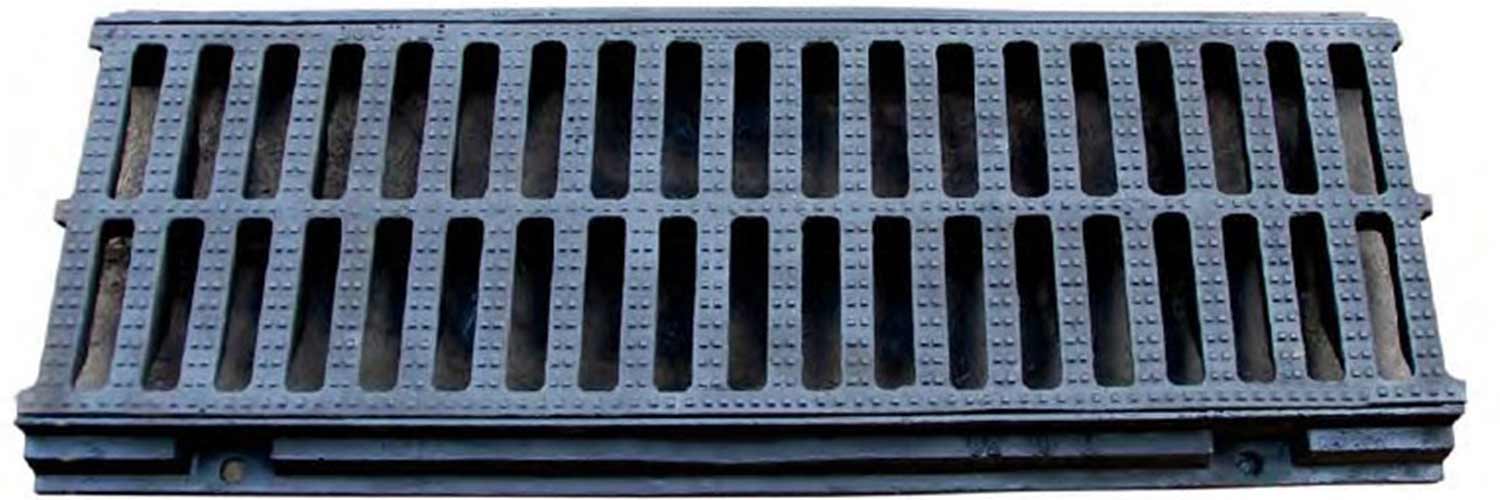
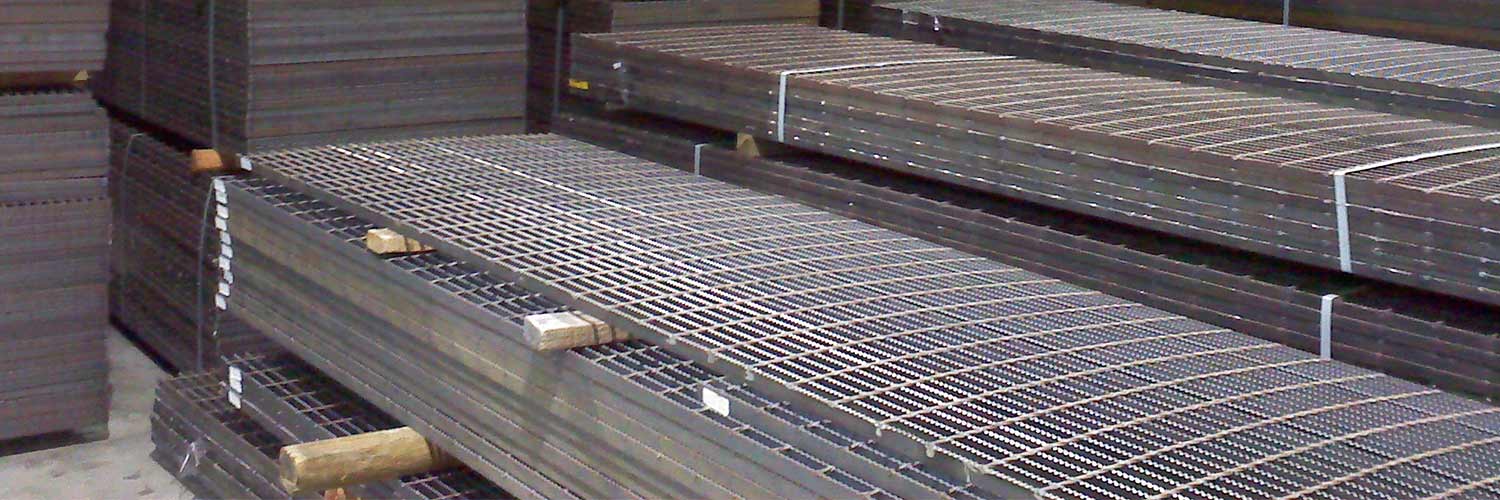
Engineered to eliminate the catastrophic failure modes of metallic containment systems in marine, chemical, and industrial sectors, Omkar Gratings Pvt Ltd delivers precision-pultruded Fiberglass Reinforced Polymer (FRP/GRP) Cable Trays built to project drawings and international structural standards.
As industrial installations push into harsh offshore basins, intensive petrochemical refineries, desalination assets, and coastal mining zones, conventional galvanized steel and stainless trays succumb to pitting, galvanic reaction, and chemical oxidation. Our advanced FRP Cable Tray systems offer non-conductive, ultra-high strength-to-weight, non-magnetic, and fire-retardant cable management capable of delivering a verified 30+ year maintenance-free operating lifecycle.
Select from optimized pultruded geometries matching power and instrumentation containment specifications across oil and gas, desalination, chemical, and heavy energy generation.
Engineered for high-power transmission distribution requiring maximum heat dissipation and superior structural support across continuous long spans up to 6 meters.
Send an Inquiry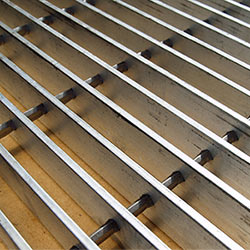
Featuring precision-punched slots to supply uniform ventilation while preventing cable sagging and shielding delicate instrumentation runs from debris and thermal drops.
Send an Inquiry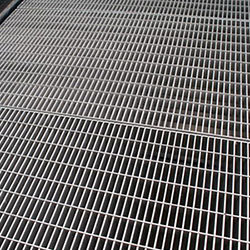
Total enclosure containment with snap-on or wedge-locked FRP covers designed to protect critical control circuitry from hazardous vapor accumulation and airborne acids.
Send an InquiryIndustrial containment systems continuously interface with aggressive environmental stressors including gaseous sulfides, sea salt halogens, ammonia fumes, and ambient moisture. While hot-dip galvanized (HDG) steel relies on a sacrificial zinc barrier ranging from 60 to 85 microns, coastal saline moisture and acidic mist dissolve this protective layer within 3 to 5 years, exposing raw steel to catastrophic under-deposit oxidation.
Stainless steel grades AISI 304 and AISI 316 mitigate uniform rusting but remain vulnerable to chloride stress corrosion cracking (CSCC) and localized pitting in stagnant coastal conditions. FRP cable tray systems fabricated by Omkar Gratings solve this through an impermeable, homogeneous composite profile that contains zero reactive iron, requires no sacrificial coating, and delivers an indefinite shelf life in saturated chloride and acidic environments.
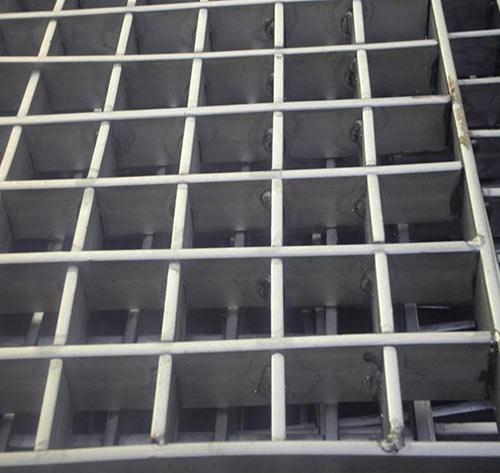
Procurement teams focused solely on ex-factory purchase costs often overlook the immense logistical and site-erection financial burdens imposed by heavy structural steel cable trays. Steel cable trays weigh approximately 2.5 to 3 times more than pultruded FRP profiles of equivalent load class. This weight penalty directly drives up ocean freight container tonnage costs, port handling fees, and structural dead-load requirements for the overall support pipe rack.
On-site, steel trays require specialized motorized hoisting machinery, boom trucks, and hot-work permits for on-site modification, alongside immediate cold-galvanizing touch-ups that frequently fail inspections. Omkar FRP cable trays can be easily handled by manual installation teams, cut cleanly with diamond-tipped handheld blades, and secured without sparks or hot-work permits in live oil and gas facilities, reducing field installation labor by up to 45%.
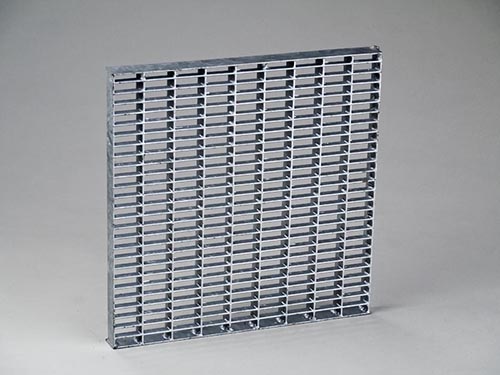
No two industrial plants face identical environmental degradation vectors. Omkar Gratings leverages proprietary pultrusion recipe matrix adjustments across three specialized synthetic resin platforms, guaranteeing your cable support structures withstand specific chemical cocktails, direct tropical UV radiation, and severe operating temperature variations.
Each pultrusion run incorporates a synthetic surfacing veil (30-mil thickness) infused with UV stabilizers, ensuring the structural glass fibers remain encapsulated beneath a pure, resin-rich barrier. This completely prevents “fiber blooming” under high solar index exposure and preserves peak bending elasticity over decades of operation.
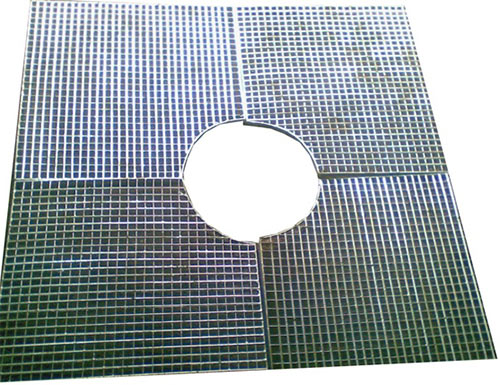
Comprehensive industry intelligence for EPC estimators, supply chain directors, and lead electrical engineers evaluating multi-million dollar capital expenditure projects.
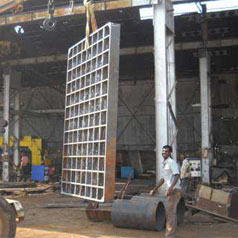
Offshore wind substations and green hydrogen electrolysis facilities are mandating non-conductive, non-corroding FRP containment to survive salt fog and volatile oxygen-rich atmospheres.
Send an Inquiry
Driven by AI computing cluster loads, modern high-density data centers utilize FRP channel trays above server arrays to eliminate conductive zinc whiskers that cause server board short-circuits.
Send an Inquiry
Seawater Reverse Osmosis facilities in the Middle East and Australasia enforce strict zero-metal procurement policies in intake and permeate zones, standardizing on NEMA FG-1 certified FRP ladder trays.
Send an Inquiry
Strict European and American smoke toxicity mandates push rail networks away from PVC and metal towards Class 1 Low-Smoke Zero-Halogen (LSZH) composite containment profiles.
Send an Inquiry
Cathode active material processing, acid leaching vats, and battery cell manufacturing facilities deploy vinyl ester FRP trays to mitigate sulfuric acid exposure and heavy airborne particulate contamination.
Send an Inquiry
With global green building taxonomies scrutinizing Scope 3 manufacturing emissions, FRP composite production demonstrates an exceptionally lower carbon lifecycle footprint compared to smelting steel.
Send an InquiryUse this empirical decision table to specify optimum resin formulations and compare mechanical parameters against traditional metallic tray options.
| Tray Material / Resin Platform | Corrosion Resistance Envelope | Flame Retardancy & Smoke Density | Strength-to-Weight Performance | Dielectric / Conductivity Properties | Recommended Industrial Applications |
|---|---|---|---|---|---|
| FR-Isophthalic Polyester FRP | Excellent against mild acids, sea salt, alkalis, aliphatic hydrocarbons | ASTM E84 Class 1 (FSI ≤ 25), self-extinguishing | Superior; 60% lighter than steel, high structural stiffness | Completely non-conductive, dielectric strength ~12 kV/mm | Water treatment plants, offshore platforms, general chemical processing |
| FR-Vinyl Ester FRP (Premium) | Maximum resistance to concentrated acids, aggressive chlorines, severe organic solvents | ASTM E84 Class 1, UL 94 V-0 recognized formulation | Exceptional fatigue threshold, withstands continuous cyclic loading | Non-conductive; eliminates all electrical ground faults | Fertilizer plants, chlor-alkali units, mining leach circuits, coastal refineries |
| Phenolic FRP (Low Smoke / LSZH) | Good chemical resistance, high thermal integrity up to 200°C | Military grade: minimal smoke generation, zero halogen, non-toxic toxicity | High modulus; rigid structural retention during extreme thermal spikes | Non-conductive; non-sparking in explosive atmospheric envelopes | Underground rail tunnels, public transportation, confined sub-sea corridors |
| Hot-Dip Galvanized Steel (HDG) | Low in marine or acidic settings; rapid zinc passivation consumption | Non-combustible (Euroclass A1), but yields under high heat distortion | Poor; heavy structural deadweight increases rack design costs | Highly conductive; mandates complex copper earth bonding jumpers | Dry indoor commercial warehousing, low-humidity inland power grids |
| Stainless Steel (AISI 316L) | High general resistance; highly susceptible to chloride stress pitting | Non-combustible; high melting threshold | Moderate; heavy deadweight, exceptionally high capital acquisition costs | Conductive; requires bonding systems and spark hazard assessments | Food and dairy sanitary processing, pharmaceutical clean-in-place environments |
All Omkar FRP cable tray structural sections are designed in full alignment with NEMA FG-1, ASTM D635, ASTM E84, and BS EN 61537 testing parameters. Comprehensive load-deflection test certificates are provided per production heat.
Immunity to hydrocarbon mist, sulfurous gases, and corrosive condensation.
Unaffected by severe ocean waves, saline atmospheres, and tropical UV exposure.
Complete prevention of galvanic degradation in high-salinity brine discharge zones.
High chemical-matrix stability against damp chlorine, nitric acid, and ammonia.
Heavy duty dockside cable management with zero maintenance painting required.
Zero halogen, non-toxic combustion profiles ensuring passenger tunnel safety.
Non-magnetic profiles eliminate inductive eddy current heating and high-voltage arcing.
Total resistance to aggressive solvent extraction and electrowinning (SX-EW) acid mists.
Over two decades of proven Indian industrial manufacturing, world-class precision composite tooling, and audited export documentation for mega infrastructure.
Computerized automated pultrusion dies pulling continuous roving at optimal temperatures to ensure voids-free resin-to-fiber saturation exceeding 65%.
Our ladder rungs are both high-strength mechanically interlocked and chemically bonded to side channels, completely preventing pull-out failures under cable loads.
Full dimensional validation, Barcol hardness checks, flame retardancy testing, and destructive beam deflection verification executed in our internal QA lab.
Fittings, bends, splice plates, and hardware nested into reinforced export-grade wooden framing, shrink-wrapped, and marked for seamless job-site unpacking.
Global EPC contractors and asset owners are shifting to FRP cable trays to eliminate recurrent corrosion failure cycles in challenging environments. Unlike galvanized steel which relies on finite zinc coatings, FRP is completely non-corroding, non-magnetic, and chemically inert throughout its entire volume. In addition, it reduces total structural deadweight by up to 70%, requires zero hot-work permits during installation, eliminates the safety risk of electrical current conduction, and eliminates scrap value theft issues that plague copper and metal infrastructure.
Omkar FRP Cable Trays are compounded using advanced brominated or halogen-free fire-retardant resins achieving ASTM E84 Class 1 fire ratings with a flame spread index (FSI) ≤ 25. Trays comply with UL 94 V-0 requirements and self-extinguish as soon as external flames are removed. For subterranean mass transit applications, we supply specialized Phenolic composite formulations that generate virtually zero smoke and release zero toxic halogen acids when exposed to sustained fire.
Our Isophthalic Polyester systems function stably across a continuous temperature range of -40°C to +80°C. For high-temperature process piping racks, our Vinyl Ester systems operate safely between -50°C and +110°C without loss of mechanical load-bearing capacity. Additionally, because FRP has an exceptionally low coefficient of thermal expansion, the frequency and complexity of expansion guide joints across massive structural runs is minimized compared to aluminum or PVC.
Yes. Our engineering shop fabricates a complete portfolio of pre-assembled and segmented fittings built exactly to your drawing specifications. This includes 30°, 45°, 60°, and 90° horizontal elbows, vertical inside/outside risers, cross tees, horizontal reducing tees, straight reducers, ventilated covers, and peaked protective canopies, all complemented with stainless steel 316 or pultruded composite splice hardware.
Omkar cable trays are certified in compliance with NEMA FG-1 guidelines (such as Class 8C, 12C, 16C, or 20C designations) and BS EN 61537. We perform systematic full-scale destructive load tests utilizing calibrated dead-weights across varying support spans (from 1.5 meters up to 6.0 meters) to empirically verify that deflection ratios remain well within strict structural safety limits (typically ≤ span / 100).
FRP cable trays are virtually maintenance-free. Because the color pigment is compounded directly into the resin matrix throughout the entire profile and sealed by a UV-rich synthetic veil, there is never a need for scraping, sandblasting, primer touch-up, or re-galvanizing throughout the 30+ year lifecycle of the installation.
Our engineering group reviews complete electrical schedules, cable load calculations, chemical exposure profiles, and project drawings to provide audited tender responses within 24 hours.