
Choosing the right Galvanized Steel Gratings can affect workplace safety, drainage, maintenance, and long-term project costs. Global buyers often compare products from different factories, regions, and certification systems. However, a low price does not always indicate good value. Surface quality, load capacity, zinc coating, panel dimensions, and welding consistency deserve careful inspection.
This guide examines ten leading options for international buyers. Each selection should be judged against its intended use, such as factory walkways, offshore platforms, stair treads, drainage channels, or warehouse floors. Real project conditions matter. A forklift route requires different support than a pedestrian passage. Wet environments also demand stronger corrosion protection. Look closely.
Reliable suppliers should provide technical drawings, material information, load tables, inspection records, and clear packing details. Buyers may also need to confirm applicable standards, customs requirements, and local installation rules before placing an order. Product names can sound similar while performance differs significantly. That difference may appear only after months of traffic, rain, or chemical exposure.
This is not an absolute ranking. “Best” depends on engineering needs, budget, delivery distance, and maintenance expectations. Some choices may perform well but lack convenient regional support. Others may offer excellent customization with longer production times. That trade-off deserves honest consideration. By comparing evidence rather than promotional claims, purchasers can reduce risk and select Galvanized Steel Gratings with greater confidence. Mistakes still happen. Careful verification remains essential.
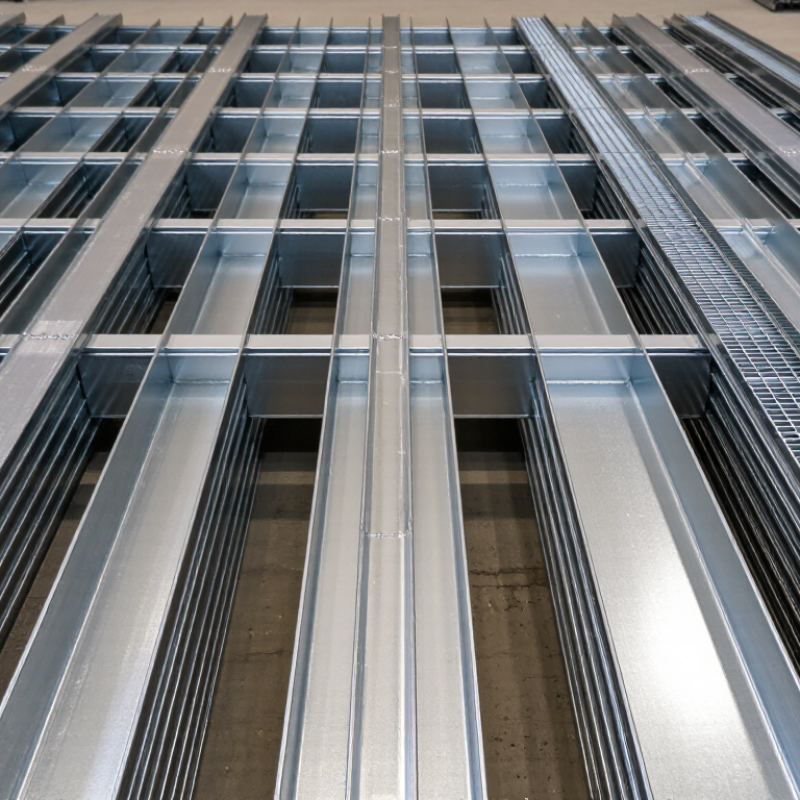
Galvanized steel gratings are load-bearing panels made from steel bearing bars and cross bars, then protected with zinc. In hot-dip galvanizing, molten zinc covers exposed steel surfaces and helps slow corrosion. Open spaces drain rainwater, wash water, and spilled liquids. They also admit light and air. This makes gratings practical for platforms, walkways, stair treads, trenches, and equipment access areas.
Global buyers often choose them for predictable performance with limited maintenance. A properly specified panel can resist outdoor moisture, industrial splash, and frequent foot traffic. Zinc coating thickness, steel grade, bar spacing, panel depth, and surface finish all affect service life. Serrated bars can improve grip where oil or water is present. Smooth bars may be easier to clean. The choice should follow the site, not a catalog photograph.
During project checks, buyers should review drawings, load calculations, welding quality, dimensional tolerances, and galvanizing records. Confirm whether the stated load is uniform or concentrated. Small errors matter. A trolley wheel can stress a panel differently from several pedestrians. Cutting or drilling after galvanizing may expose bare steel, so repaired areas need suitable protection. Galvanized gratings are not maintenance-free, either. Salt air, trapped debris, and contact with dissimilar metals can accelerate deterioration. I have seen durable panels fail early because drainage was ignored. That lesson belongs in the specification.
10 Best Galvanized Steel Gratings for Global Buyers?
Key Types and Structural Features of Galvanized Steel Gratings
Galvanized steel gratings use zinc-coated steel to resist moisture, abrasion, and outdoor corrosion. Welded gratings offer strong joints and stable load transfer. Press-locked gratings use interlocking cross bars, creating a clean, uniform surface. Swage-locked gratings provide a lighter appearance while maintaining useful rigidity. Plain surfaces suit dry industrial floors. Serrated bearing bars improve slip resistance around wet platforms and drainage areas.
The bearing bars carry the main load across the span. Cross bars hold spacing and reduce movement between bars. Panel depth, bar thickness, and span length directly affect deflection. A deeper panel often supports heavier loads, but it also increases weight and shipping cost. Smaller openings improve foot safety, especially near stairs and narrow walkways. Frames, support clips, and end plates should match the installation method. I have seen projects fail because the grating was strong, but the support angles were too weak.
Tips: Confirm the required load, span, opening size, and surface finish before ordering. Check zinc coating thickness and inspect cut edges after fabrication. Measure twice. A perfect specification on paper may still need adjustment after reviewing site drainage, footwear, and maintenance access. Allowing for these practical details can prevent costly replacement work.
| No. | Grating Type | Typical Bearing Bar Profile | Common Bearing Bar Sizes | Typical Panel Widths | Cross-Bar Arrangement | Surface and Edge Features | Best-Fit Applications | Key Structural Advantages | Relevant Technical Considerations |
|---|---|---|---|---|---|---|---|---|---|
| 1 | Standard Press-Locked Grating | Rectangular or square steel bearing bars with cross bars mechanically pressed into pre-punched slots. | 25 × 3 mm, 25 × 5 mm, 30 × 3 mm, and 40 × 5 mm are commonly specified. | 500–1,000 mm; fabricated panels can be produced to project dimensions. | Typically 100 mm or 50 mm center-to-center spacing. | Hot-dip galvanized finish; plain or serrated bearing bars; banded ends available. | Walkways, platforms, mezzanines, equipment access areas, and maintenance floors. | Good rigidity, clean appearance, and consistent open area with mechanically locked connections. | Span direction follows the bearing bars. Panel support and deflection must be checked for the actual load. |
| 2 | Welded Steel Bar Grating | Load-bearing bars welded to round, twisted-square, or flat cross bars at each intersection. | 25 × 3 mm to 100 × 10 mm, selected according to span and load. | 600–1,000 mm is common for stock panels; custom widths are also available. | Cross bars commonly at 100 mm centers; 50 mm spacing is used where smaller openings are required. | Plain or serrated bearing bars; hot-dip galvanized after fabrication; perimeter banding available. | Industrial platforms, stair treads, plant floors, drainage covers, and access walkways. | Strong welded joints, high load-carrying capacity, and efficient drainage and ventilation. | Weld quality, galvanizing vent holes, support length, and load direction should be specified in the order. |
| 3 | Serrated Safety Grating | Serrated bearing bars with regularly formed notches that increase slip resistance. | 25 × 5 mm, 30 × 5 mm, 40 × 5 mm, and 50 × 5 mm are widely used options. | 500–1,000 mm typical, subject to the required span and handling weight. | Welded or press-locked cross bars, generally at 50 mm or 100 mm centers. | Serrated top surface; hot-dip galvanized coating; banding and nosing can be added. | Oil-contaminated areas, outdoor platforms, stairs, ramps, and industrial maintenance routes. | Improved traction in wet, oily, muddy, or icy conditions while retaining open drainage. | Serration improves grip but does not replace site-specific fall protection or safe-work procedures. |
| 4 | Heavy-Duty Grating | Deep and thick bearing bars, normally welded to robust cross bars for high imposed or rolling loads. | 50 × 5 mm, 60 × 5 mm, 75 × 8 mm, and 100 × 10 mm are common design ranges. | 600–1,200 mm, with panel size determined by lifting limits and support layout. | Frequently 50 mm or 100 mm centers; closer spacing can reduce opening size. | Plain or serrated top; hot-dip galvanized after fabrication; reinforced banding may be required. | Vehicle crossings, heavy equipment areas, loading zones, industrial floors, and utility trenches. | Higher section modulus and stiffness than light-duty grating, allowing longer spans or higher loads. | Truck or forklift traffic requires a project-specific structural design; published load tables must match the exact product. |
| 5 | Press-Locked Grating | Flat cross bars are hydraulically pressed into deep notches in the bearing bars and locked mechanically. | 25 × 3 mm, 25 × 5 mm, 30 × 5 mm, and 40 × 5 mm are frequent specifications. | 500–1,000 mm for standard modules; custom panel dimensions are available. | Flat cross bars at 50 mm or 100 mm centers, producing a relatively uniform surface pattern. | Plain or serrated bearing bars; galvanized coating; optional perimeter frames and cut-outs. | Architectural floors, pedestrian walkways, ventilation screens, platforms, and ceiling panels. | Flush-looking cross-bar profile, precise appearance, and good resistance to cross-bar displacement. | Flat cross bars may reduce visual openness compared with round cross bars; drainage needs should be reviewed. |
| 6 | Swage-Locked Grating | Twisted square cross bars are hydraulically swaged through pre-punched bearing bars. | 25 × 3 mm, 30 × 3 mm, 30 × 5 mm, and 40 × 5 mm are commonly selected. | 500–1,000 mm typical for modular panels. | Twisted square cross bars usually at 50 mm or 100 mm centers. | Distinctive twisted cross-bar profile; plain or serrated bearing bars; hot-dip galvanized finish. | Walkways, industrial platforms, stair treads, drainage covers, and areas requiring a textured appearance. | Mechanical locking provides a stable panel, while the twisted bar improves visual texture and rigidity. | Suitable bar dimensions depend on span and load. Cut edges and field modifications should be protected against corrosion. |
| 7 | Stair Treads with Galvanized Grating | Grating panel fitted with a front nosing, end plates, and bolt holes for stair-stringer attachment. | Common tread bearing bars include 25 × 5 mm, 30 × 5 mm, and 40 × 5 mm. | Typical tread widths are 600–1,200 mm; exact size follows the stair geometry. | Usually 50 mm or 100 mm cross-bar spacing, with a close front edge at the nosing. | Serrated top surface and contrasting or reinforced nosing options; hot-dip galvanized after fabrication. | Industrial stairs, fire escapes, plant access ladders, rooftop access, and exterior service stairs. | Open construction allows drainage and reduces snow, mud, and debris accumulation on steps. | Stair geometry, tread depth, nosing projection, slip resistance, and guardrail requirements must comply with local codes. |
| 8 | Trench Drain and Drainage Grating | Narrow grating panels designed to sit on steel or concrete trench frames and transfer pedestrian or vehicle loads. | Common bar sizes range from 25 × 3 mm to 50 × 5 mm, increasing for traffic loading. | Typical widths are 100–600 mm, matching the trench opening and frame system. | 50 mm or 100 mm centers; close spacing is used to limit wheel and heel openings. | Plain or serrated surface; removable panels, hinged sections, locking devices, and edge frames available. | Factory drainage, parking areas, walkways, process plants, wastewater facilities, and utility trenches. | High open area supports water flow, while removable sections simplify inspection and cleaning. | Hydraulic capacity, heel-safe openings, wheel loads, frame seating, and anti-lift details must be checked together. |
| 9 | Galvanized Grating with Toe Plate | Standard grating combined with a vertical kick plate, commonly attached along an exposed platform edge. | Grating bars often range from 25 × 5 mm to 50 × 5 mm; toe plates are commonly 100–150 mm high. | Panel widths generally range from 500–1,000 mm, depending on platform design. | Welded or press-locked cross bars at 50 mm or 100 mm centers. | Hot-dip galvanized grating and toe plate; toe plate may be welded or bolted to the panel. | Elevated platforms, catwalks, stair landings, roof walkways, and areas with falling-object risk. | Combines open drainage and ventilation with an edge barrier that helps retain tools and small objects. | Toe-plate height, guardrail integration, corner details, and local occupational-safety rules should be confirmed. |
| 10 | Fine-Mesh Galvanized Grating | Grating with reduced openings created by closer cross-bar spacing or a smaller bearing-bar pitch. | Typical bearing bars include 25 × 3 mm, 25 × 5 mm, and 30 × 5 mm. | 500–1,000 mm is common, with final width based on span and handling requirements. | Cross bars commonly at 25 mm or 50 mm centers to reduce object and foot penetration. | Plain or serrated top; hot-dip galvanized finish; framed edges and removable panels available. | Food and process areas, pedestrian floors, small-wheel traffic zones, platforms, and equipment guards. | Smaller openings improve pedestrian comfort and help prevent tools, debris, or small components from falling through. | Closer spacing increases steel weight and may reduce drainage and ventilation; opening size should match the hazard assessment. |
10 Best Galvanized Steel Gratings for Different Industrial Applications
Choosing the right galvanized steel grating depends on load, drainage, foot traffic, and maintenance conditions. In field inspections, I check span length, bearing-bar direction, surface grip, and zinc coating thickness. Small mistakes become expensive later.
For factory walkways, serrated welded grating provides reliable slip resistance around oil and water. Smooth welded grating works well on dry indoor platforms. Press-locked grating fits architectural floors, ventilation areas, and lighter service zones. Riveted grating handles vibration and repeated industrial traffic. Trench grating directs rainwater and washdown liquids away from working areas. Stair treads with serrated nosings improve footing on busy access stairs.
Heavy-duty galvanized grating suits vehicle ramps, loading bays, and maintenance roads. Close-mesh grating prevents small tools, wheels, and debris from falling through elevated platforms. Lightweight swage-locked grating can reduce structural demand on mezzanines and inspection decks. Removable galvanized panels provide practical access to cables, pumps, and drainage channels. They save time during repairs.
I have seen buyers select heavy grating when lightweight panels would perform better. I have also chosen a coating without checking the local environment carefully. That was a useful correction. Coastal air, chemical mist, standing water, and frequent cleaning can change the expected service life. Buyers should request load tables, opening dimensions, surface treatment details, and inspection records before approval. Clearance matters too. A perfect panel can still become troublesome when installation tolerances are ignored.
Indicative uniformly distributed design loads commonly used for preliminary grating selection
Higher load ratings are typically selected for vehicle routes, heavy equipment areas, and industrial platforms, while lower ratings are generally suitable for walkways and access platforms. Final selection should verify span, bearing-bar size, support conditions, wheel loads, corrosion exposure, and the applicable local standard.
Global buyers should specify galvanized steel gratings against recognized standards and actual site conditions. EN ISO 14122-2 covers permanent platforms and walkways. ANSI/NAAMM MBG 531 provides load and deflection guidance for bar gratings. Requirements may differ between projects. A 2.0 kN/m² walkway load is common in access design, but an engineer must confirm the final rating.
ISO 1461 defines hot-dip galvanizing acceptance criteria. For steel thicker than 6 mm, it requires an average zinc coating of 85 μm and a local minimum of 70 μm. Inspectors should measure several areas, not one convenient corner. Visual checks should identify bare patches, sharp zinc lumps, blocked openings, and warped panels. Dimensional checks should verify bearing-bar depth, cross-bar spacing, panel length, and cutout accuracy.
The International Zinc Association’s galvanizing technical data reports service lives above 50 years in rural exposure, about 20–30 years industrially, and roughly 10–20 years in severe marine conditions. These are planning references, not guarantees. Salt, trapped moisture, and damaged edges reduce durability. Request steel mill certificates, galvanizing records, traceable inspection reports, and proof-load results when required. A certificate alone is not proof that every panel complies. Mixing standards creates avoidable risk. The inspection plan should state sampling rates, acceptance limits, and repair methods before production.
Selecting galvanized steel gratings requires more than comparing the lowest quotation. Ask suppliers for steel grades, bearing-bar dimensions, mesh spacing, load tables, and coating thickness records. ISO 1461 provides a recognized reference for hot-dip galvanized coatings. However, certificates alone are not enough. Request recent inspection photos, batch traceability, and independent thickness measurements.
Check the full landed cost. Include grating prices, packing, inland transport, ocean freight, insurance, duties, and replacement parts. The World Bank Logistics Performance Index 2023 shows major differences in customs efficiency, infrastructure, and shipment timeliness between markets. A cheaper supplier may create costly delays at the port. Confirm production capacity, dispatch dates, export documents, and delivery terms in writing. Keep a realistic buffer. Weather and inspections still interfere.
Long-term value depends on corrosion exposure, drainage, maintenance access, and traffic loads. The American Galvanizers Association reports that galvanized coatings can provide decades of service in many atmospheric environments, but performance varies sharply in coastal or industrial conditions. Compare coating thickness with the actual site environment, not a generic promise. Ask for a written corrosion assessment and documented load testing. I would also examine weld quality and cut-edge treatment, because small defects can expand under repeated moisture. Price is measurable. Risk is not. Supplier comparisons remain imperfect, especially when reports use different testing methods.
They are load-bearing panels made from steel bearing bars and cross bars. A zinc coating helps slow corrosion. Open spaces drain water and admit light and air.
Common uses include walkways, platforms, stair treads, trenches, ramps, and equipment access areas. Removable panels can cover cables, pumps, and drainage channels.
Match the panel to load, span, drainage, foot traffic, and maintenance conditions. Serrated surfaces suit wet or oily areas. Smooth surfaces are easier to clean.
Heavy-duty panels suit loading bays, vehicle ramps, and maintenance roads. Confirm whether the load is uniform or concentrated. A trolley wheel can create greater stress than pedestrians.
Review load tables, bearing-bar direction, panel depth, opening size, bar spacing, and installation clearances. Check drawings and dimensional tolerances carefully. Small errors become expensive.
Inspectors should check zinc thickness at several locations. They should also look for bare patches, sharp zinc lumps, blocked openings, and warped panels.
For steel thicker than 6 millimeters, a recognized galvanizing standard may require an average coating of 85 micrometers. The local minimum may be 70 micrometers.
Service life depends on exposure and maintenance. Planning references suggest over 50 years in rural areas, but severe marine exposure may allow only 10–20 years.
Yes. Salt air, trapped debris, standing water, and dissimilar metals can accelerate deterioration. Not maintenance-free. Keep drainage paths clear and inspect damaged edges.
Cutting or drilling can expose bare steel. Repaired areas need suitable corrosion protection. I once focused on coating thickness and overlooked drainage. That was a useful correction.
Galvanized Steel Gratings are durable, corrosion-resistant flooring and access solutions designed for demanding industrial, commercial, and infrastructure environments. Their protective zinc coating helps extend service life, while different bar profiles, load-bearing designs, surface finishes, and panel configurations allow buyers to select products for platforms, walkways, stairs, drainage covers, and maintenance areas. This overview introduces ten practical grating options for applications such as factories, energy facilities, transportation projects, warehouses, and outdoor structures, highlighting how each type balances strength, weight, drainage, slip resistance, and installation efficiency.
For global buyers, selecting the right product also requires attention to recognized material and safety standards, dimensional accuracy, welding quality, coating thickness, load performance, and inspection documentation. A reliable purchasing decision should compare supplier capabilities, customization options, packaging, lead times, shipping arrangements, and total ownership value rather than focusing only on the initial price. Evaluating corrosion protection, expected service conditions, maintenance needs, and long-term durability can help buyers achieve safer installations and more cost-effective results.