
0%

Industrial floors face punishment every day. Forklift wheels cross them repeatedly, steel pallets drop onto them, and oil can collect around joints. Heavy Duty Welded Gratings provide a practical surface for platforms, walkways, stair treads, and service areas where ordinary flooring may deform.

Their strength comes from welded load bars and supporting cross bars. This fixed structure distributes weight more consistently than loosely assembled alternatives. Open spaces also allow water, dust, and small debris to pass through. That feature can improve drainage and reduce slippery surface buildup. In a busy plant, workers often notice this difference after cleaning or heavy rainfall.

Performance still depends on engineering details. Bar spacing, bearing depth, material grade, weld quality, and support span must match the expected load. A reliable supplier should provide documented specifications, inspection records, and guidance for installation. Experienced teams also check edges, weld points, surface coatings, and fasteners during routine maintenance. Small defects can become expensive failures.

No material is perfect. Corrosive chemicals may require stainless steel or a suitable protective finish. Poor alignment can create trip hazards. Incorrect spacing may reduce safety or restrict equipment movement. For this reason, Heavy Duty Welded Gratings should be selected through measured site conditions, not appearance alone. Testing, professional review, and consistent inspection make the choice more dependable. The strongest design can still underperform when installation is rushed.
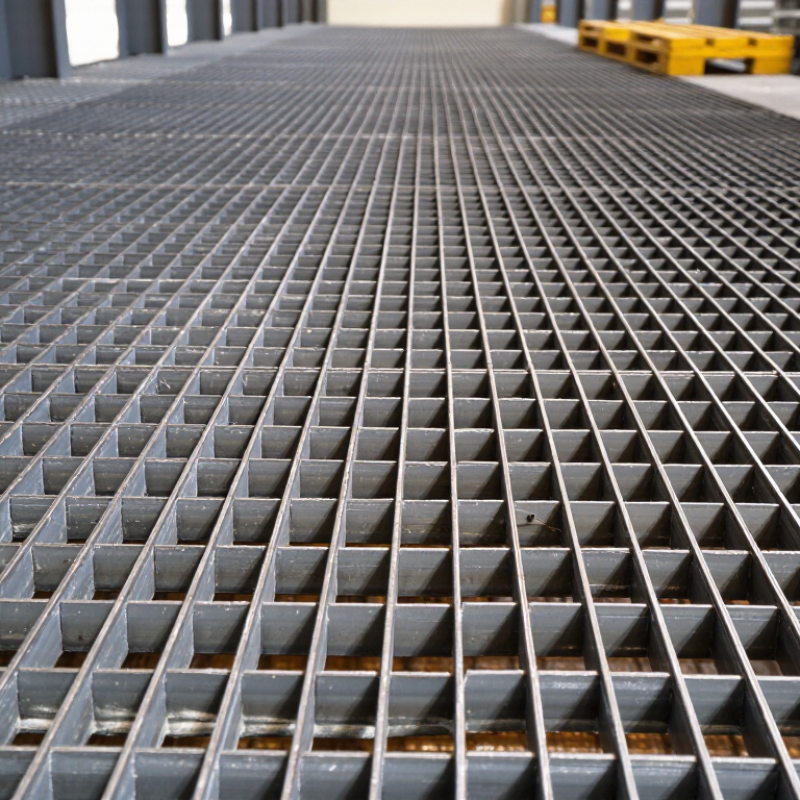
Why Choose Heavy Duty Welded Gratings for Industrial Use?

What Heavy Duty Welded Gratings Are and How They Are Made

Heavy duty welded gratings are steel platforms designed for demanding industrial loads. They usually contain load-bearing bars and smaller cross bars. The bearing bars carry weight along their length. Cross bars hold the grid together and improve walking stability. Open spaces allow water, oil, and debris to pass through. This design is useful around factories, service platforms, drainage channels, and equipment areas.

Manufacturing starts with steel bars cut to specified lengths. The bars are arranged at fixed spacing on a production table. A resistance welding machine then presses and welds each cross bar into the bearing bars. Heat and pressure create strong joints without bulky connecting pieces. After welding, workers trim the panel and check its dimensions. Galvanizing, painting, or another approved finish may follow, depending on the environment. Small errors matter here.

A reliable inspection checks bar thickness, spacing, weld penetration, flatness, and surface condition. Engineers also match the grating depth and span to the expected load. Forklifts, stored materials, and repeated foot traffic create different stresses. A deeper bearing bar may be necessary for longer spans. Slip-resistant surfaces can improve safety in wet areas. However, no grating suits every location. Incorrect spacing, weak support frames, or poor drainage can reduce performance. Even a strong panel can fail when installation details are overlooked.

How Welded Gratings Support Industrial Loads and Traffic

Heavy-duty welded gratings support industrial loads by transferring weight through bearing bars and welded cross rods. The open structure lets water, oil, and debris pass below.

On a busy factory platform, a pallet truck may cross the same panel hundreds of times daily. Properly sized bearing bars reduce bending under repeated wheel loads. A 30-millimeter spacing can support work boots while limiting dropped tools. That detail matters. Engineers check span length, panel depth, steel grade, and connection points before approving an installation. Load tables help, but field conditions can differ. A corroded support or uneven frame can weaken an otherwise strong grating.

Welded joints keep the grid stable during foot traffic, maintenance work, and moving equipment. In loading areas, panels should resist cart impacts and forklift traffic when properly designed. Slip-resistant surfaces improve footing around wet process lines, though no finish removes every risk. Small gaps can collect metal chips and require frequent cleaning. Removable panels simplify inspections, but loose sections may rattle or shift. Secure clips, sound welds, and regular checks remain practical safeguards. A thoughtful layout also preserves access for drainage and repairs, instead of treating the floor as untouched forever.

Why Choose Heavy Duty Welded Gratings for Industrial Use? - How Welded Gratings Support Industrial Loads and Traffic

Industrial Application Typical Bearing Bar Size Bearing Bar Spacing Common Panel Width × Length Approximate Open Area Traffic or Load Condition Why Heavy-Duty Welded Grating Is Used
Access Walkways 25 × 5 mm or 30 × 5 mm 30 or 40 mm center-to-center 600–1,200 mm × 2,000–6,000 mm Approximately 70–80% Pedestrian traffic, tools, and routine maintenance loads The welded steel structure provides a rigid walking surface while the open pattern allows drainage, ventilation, and light penetration.
Plant Platforms 30 × 5 mm or 40 × 5 mm 30 or 40 mm center-to-center 800–1,500 mm × 2,000–6,000 mm Approximately 65–78% Personnel, stored tools, equipment access, and maintenance activity Deeper bearing bars increase section depth and bending resistance, making the panels suitable for wider support spans.
Stair Treads 30 × 5 mm or 40 × 5 mm 30 mm center-to-center 240–400 mm × 600–1,200 mm Approximately 65–75% Repeated foot traffic with concentrated loads near the tread front edge Welded construction resists loosening under repeated use, while serrated surfaces can improve slip resistance in wet or oily areas.
Forklift Routes 50 × 5 mm or 60 × 5 mm 30 or 40 mm center-to-center 900–1,500 mm × 2,000–6,000 mm Approximately 60–75% Pallet trucks, forklifts, wheel loads, and impact effects Heavy bearing bars distribute wheel loads across multiple load-carrying members; span, wheel spacing, and impact factors must be checked by an engineer.
Truck or Service Platforms 60 × 6 mm or 75 × 6 mm 30 or 40 mm center-to-center 1,000–1,800 mm × 2,000–6,000 mm Approximately 55–70% Low-speed service vehicles and concentrated axle or wheel loads The larger steel sections provide higher stiffness and improved resistance to localized deformation when properly supported and secured.
Drainage and Process Areas 25 × 5 mm or 30 × 5 mm 30 or 40 mm center-to-center 500–1,200 mm × 1,000–4,000 mm Approximately 70–80% Pedestrian access with water, chemicals, debris, or wash-down exposure Open spaces promote drainage and reduce slip hazards caused by standing liquids; material and coating should match the corrosive environment.
Engineering note: The dimensions and open-area values above are common industry configurations and selection examples, not universal load ratings. Actual capacity depends on steel grade, bearing-bar orientation, clear span, panel support, fasteners, load position, impact, deflection limits, corrosion allowance, and the governing local design standard. Heavy-duty grating intended for vehicle traffic should be checked against the specified wheel or axle loads by a qualified engineer.
Typical reference standards: ANSI/NAAMM MBG 531 for metal bar grating design and fabrication guidance; ASTM A123/A123M for zinc coating on iron and steel products by hot-dip galvanizing; ISO 1461 for hot-dip galvanized coatings on fabricated iron and steel articles.

Key Advantages of Heavy Duty Welded Gratings in Harsh Environments

Why Choose Heavy Duty Welded Gratings for Industrial Use?

In harsh industrial environments, flooring must endure more than foot traffic. Heavy duty welded gratings support forklifts, service carts, and concentrated equipment loads. Their welded intersections create a rigid, stable walking surface under repeated stress. Open panels also let water, mud, oil, and debris drain away quickly. That matters around processing lines, loading areas, and outdoor platforms.

Corrosive atmospheres demand careful material selection. Galvanized steel can resist moisture and surface corrosion when its coating remains intact. Stainless steel may suit chemical plants, coastal facilities, or washdown zones with severe exposure. Engineers should confirm load tables, span lengths, bearing bars, and deflection limits before installation. A rough visual check is not enough. Weld quality, panel fit, support spacing, and anchoring require documented inspection.

These gratings also improve workplace visibility. Light passes through the open pattern, while leaks become easier to notice below platforms. Serrated surfaces can provide better traction near water or oil, although no pattern removes every slip risk. They are not maintenance-free. That assumption causes trouble. Damaged coatings, loose clips, and bent bars need prompt attention. In practice, scheduled inspections often reveal small defects before heavy traffic makes them serious. Clear records support safer repairs and more reliable service decisions.

Choosing Grating Materials, Load Ratings, and Surface Treatments

Why Choose Heavy Duty Welded Gratings for Industrial Use?

Material selection should match the environment, not just the purchase price.
Carbon steel suits many platforms, walkways, and maintenance areas because it offers strength and practical fabrication. Stainless steel performs better where moisture, chemicals, or frequent washing create corrosion risks. Aluminum reduces weight, but it may not suit heavy impact or long spans. In practice, this choice is rarely perfect. Site conditions deserve closer attention.

Load ratings require more than reading a product table.
Engineers should check span length, support spacing, panel direction, and connection details. Uniform loads and concentrated wheel loads can produce very different results. Deflection matters too. A panel may carry the stated load yet feel uncomfortable underfoot. I recommend reviewing real equipment movement, maintenance carts, and stored materials before approving the design. Small assumptions can become expensive failures.

Surface treatment affects service life and daily safety.
Hot-dip galvanizing provides a durable zinc layer for outdoor and humid locations. Painted systems can support color coding, but damaged areas need prompt repair. Stainless surfaces may offer better resistance in aggressive environments, although they increase initial cost. Serrated bearing bars can improve traction around oil, rain, or cleaning water. Drainage still matters. Even the best treatment cannot correct poor housekeeping or trapped debris. Regular inspections should examine welds, fasteners, corrosion, bent bars, and loose supports. Clear records make replacement decisions more reliable.

Common Industrial Applications and Installation Considerations

Heavy duty welded gratings suit industrial areas where strength, drainage, and safe access must work together. Their welded joints create a stable walking surface for platforms, maintenance walkways, stair treads, and mezzanine floors. Open spaces allow water, oil, dust, and small debris to pass through instead of collecting underfoot.

Factories often use these gratings around pumps, conveyors, boilers, and processing equipment. They also perform well in wastewater facilities, power stations, warehouses, and outdoor service platforms. In wet environments, the open construction can improve drainage and reduce slippery surface conditions. However, grating selection should match the expected load, span, traffic pattern, and corrosion exposure. A light-duty panel may bend under mobile equipment.

Installation accuracy matters. Measure support spacing before ordering panels. Load-bearing bars must rest on properly aligned supports, with enough bearing length at each end. Secure panels with suitable clips, bolted fasteners, or approved welds. Loose sections can rattle, lift, or create trip hazards. Small details matter.

Cut edges need suitable corrosion protection, especially in humid or chemically exposed areas. Allow for thermal movement on long outdoor runs, and keep access panels removable where maintenance is frequent. Site conditions can change after drawings are approved. A practical inspection may reveal an overlooked pipe, uneven support, or drainage problem, so installation should include field checks rather than relying on plans alone.

FAQS

Why are heavy duty welded gratings useful in harsh industrial areas?

They support forklifts, service carts, and concentrated equipment loads. Welded joints create a rigid walking surface. Open panels drain water, oil, mud, and debris quickly.

Where are these gratings commonly installed?

Common locations include maintenance walkways, platforms, stair treads, mezzanines, and outdoor service areas. They also suit spaces around pumps, conveyors, boilers, and processing equipment.

How should grating material match the environment?

Galvanized steel can resist moisture when its coating remains intact. Stainless steel may suit chemical, coastal, or frequent washdown areas. Exposure conditions still require careful review.

Can open gratings prevent slips and falls?

Serrated surfaces can improve traction near water or oil. They do not remove every slip risk. Good housekeeping and regular inspections remain necessary.

What load details should engineers check?

Confirm the load rating, span length, bearing-bar direction, and deflection limits. Include forklifts, carts, equipment, and repeated traffic. A rough visual check is not enough.

What installation mistakes can create hazards?

Misaligned supports, short bearing lengths, loose clips, and poorly fitted panels can cause movement. Sections may rattle, lift, or create trip hazards. Small details matter.

How should cut edges and damaged coatings be handled?

Protect exposed cut edges, especially in humid or chemically exposed areas. Repair damaged coatings promptly. Corrosion can begin at small breaks and spread quietly.

Are heavy duty welded gratings maintenance-free?

No. That assumption causes trouble. Inspect bent bars, loose fasteners, coating damage, and drainage problems regularly. Clear records help, although inspection routines can still miss hidden defects.

Conclusion

Heavy Duty Welded Gratings are engineered flooring and platform systems made by joining load-bearing steel bars to cross bars through strong, permanent welds. This construction creates a stable, open grid that can support industrial equipment, concentrated loads, personnel, and frequent vehicle traffic while allowing light, air, liquids, and debris to pass through. Their rigid structure also helps reduce movement and provides reliable footing in demanding work areas.

For harsh environments, material selection is essential. Steel, galvanized steel, stainless steel, and other corrosion-resistant options can be chosen according to moisture, chemicals, temperature, and maintenance requirements. Load ratings, span dimensions, bar spacing, and surface treatments such as serrated or protective finishes should be evaluated before installation. Heavy Duty Welded Gratings are commonly used for walkways, stair treads, platforms, drainage covers, maintenance areas, and industrial access routes. Proper support alignment, accurate measurements, secure fastening, and regular inspections help ensure long-term safety and performance.

Alexander

Alexander

Alexander is a professional marketing specialist with extensive experience in product communication, market research, content strategy, and customer engagement. As a valued member of our team, he combines a strong understanding of industry trends with in-depth knowledge of the company’s products,......