Choosing reliable Electroforged Steel Gratings suppliers requires more than comparing website prices. A strong supplier should demonstrate consistent welding quality, accurate dimensions, and traceable steel materials. This guide examines leading manufacturers and exporters worldwide through practical purchasing criteria. It considers production capacity, engineering support, certifications, coating options, and delivery performance. Details matter. A clean weld pattern should remain uniform across each panel. Bearing bars should match the specified height and thickness. Cross bars should sit firmly without visible gaps or distortion.
Experienced buyers also review load tables, mill certificates, inspection records, and project references. Factory photographs can help, but independent verification is stronger. Suppliers serving ports, platforms, stairways, and industrial walkways may offer different designs and surface treatments. Hot-dip galvanized finishes often support outdoor use, while painted finishes may suit controlled environments. However, no supplier is ideal for every project. Some companies provide excellent fabrication but limited technical communication. Others respond quickly but offer weak documentation. That weakness should not be ignored. Lead times, export packaging, replacement policies, and payment terms also deserve careful attention. This overview aims to support informed decisions rather than promote a single winner. Supplier rankings can change as capacity, material costs, and quality systems evolve. Buyers should confirm current certifications and inspect samples before placing large orders. A thoughtful comparison combines published evidence with direct questions, realistic specifications, and professional judgment.
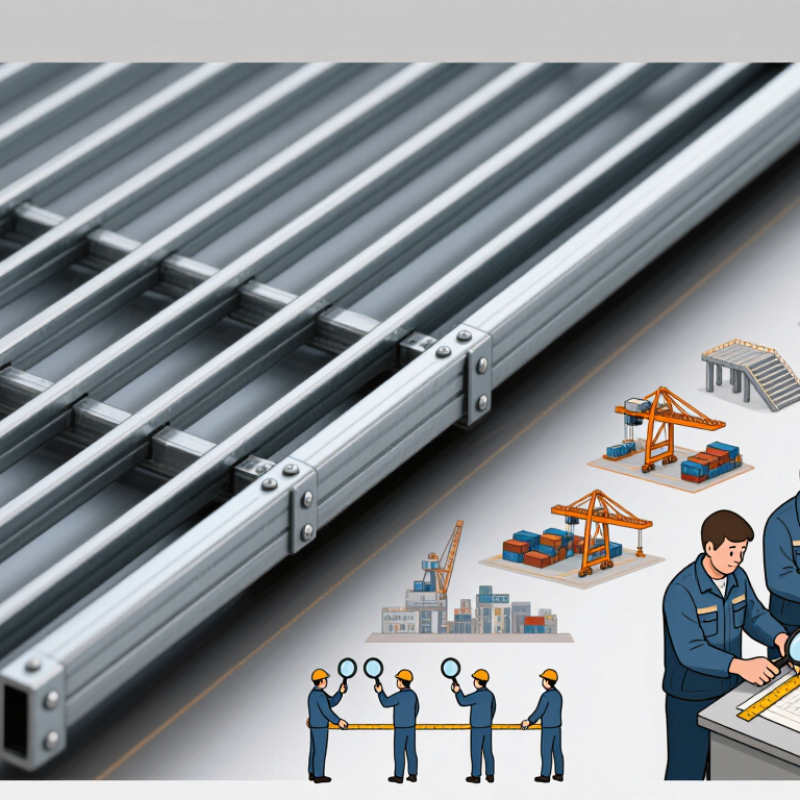
Electroforged Steel Gratings Explained: 25–100 mm Bearing Bars
When comparing top electroforged steel grating suppliers worldwide, begin with the bearing bar, not the catalogue image. Electroforged gratings use resistance-welded cross bars and load-bearing bars. The bearing bar carries walking or vehicle loads. Its depth commonly ranges from 25 to 100 mm. That range changes span capacity, deflection, weight, and installation effort. A 25 mm bar may suit a short walkway. A 100 mm bar can support heavier industrial traffic when properly engineered. Suitability depends on span, support spacing, load pattern, and surface conditions.
In projects I have reviewed, mistakes often began with an attractive layout drawing. The drawing showed panel size, but not wheel loads or maintenance equipment. Engineers should verify bar spacing, bearing direction, panel dimensions, and fixing points before production. Serrated surfaces can improve grip in wet areas, although they may complicate cleaning. Plain surfaces are easier to wash. Galvanizing can protect carbon steel, but drainage and coating quality still need inspection. Small details matter.
Reliable suppliers should provide material certificates, welding records, dimensional checks, and load tables linked to recognized standards. Ask for samples when tolerances are critical. Measure bar depth, spacing, flatness, and cut-edge quality on delivery. Also review salt spray, chemicals, heat, and trapped moisture. I have sometimes treated standard load tables as final answers. That was a mistake. They are starting points, not substitutes for project-specific engineering.
Electroforged Steel Gratings Explained: 25–100 mm Bearing Bars
The chart compares common bearing-bar depths used in steel gratings and the calculated steel cross-sectional area of each bar when a nominal 3 mm bar thickness is applied. Cross-sectional area is calculated as bearing-bar depth × thickness; final load capacity depends on span, bearing-bar spacing, steel grade, and loading conditions.
Reference dimensions: 25–100 mm nominal bearing-bar depths. Values shown are engineering calculations for a 3 mm nominal bar thickness and are not company-specific product data.
Manufacturing Process: Resistance Welding at 1,000+ Welds per Panel
Electroforged steel gratings are judged by more than appearance. Resistance welding creates the panel’s structural rhythm, joining each crossbar to the load bars under controlled heat and pressure. Large panels can exceed 1,000 welds, depending on spacing, width, and bar arrangement. Every weld must receive consistent current, electrode pressure, and timing.
The World Steel Association reported 1.89 billion tonnes of crude steel production worldwide in 2023. That scale makes process discipline essential, especially when suppliers serve infrastructure, energy, and industrial projects.
In practical production, operators inspect electrode wear, panel squareness, weld penetration, and visible burn marks. A small misalignment can multiply across hundreds of intersections.
A weld count alone proves little. It must be supported by traceability records, calibrated equipment, and sampling tests aligned with project specifications. Standards such as ANSI/NAAMM MBG 531 and applicable welding quality procedures provide useful reference points, but site conditions still matter.
The IEA’s steel technology reporting continues to identify steelmaking as a major industrial emissions source, so efficient welding also deserves attention. Lower rework means less wasted steel and energy.
The weak point is often overlooked. Excessive current may create brittle, overheated joints, while insufficient pressure can leave weak contact areas.
I would ask suppliers for weld-distribution data, not only photographs. A serious factory should show panel measurements, batch records, and inspection evidence. That is where confidence becomes measurable.
Global Supplier Regions: North America, Europe, and Asia-Pacific
Top Electroforged Steel Gratings Suppliers Worldwide?
Electroforged steel gratings combine load-bearing bars with tightly welded cross rods. The strongest suppliers offer consistent spacing, clean welds, and traceable steel certificates. Regional capability matters. North American suppliers often support heavy industrial platforms, drainage areas, and maintenance walkways. Their documentation commonly follows ASTM-based specifications, with clear load tables and project drawings. Buyers should still confirm galvanizing thickness and finished panel tolerances.
European suppliers frequently emphasize precise fabrication, corrosion control, and compliance with EN-related engineering practices. Their gratings suit factories, transport infrastructure, water facilities, and architectural access systems. During supplier reviews, inspect weld penetration, bar alignment, edge finishing, and packaging quality. A polished catalog means little if panels arrive bent or poorly labeled. This happens more often than expected.
Asia-Pacific has a broad manufacturing base, from large export facilities to specialized regional workshops. Capable suppliers can provide custom widths, serrated surfaces, stair treads, and stainless-steel options. Lead times may be competitive, but communication and inspection require discipline. Ask for material certificates, independent test records, production photographs, and a pre-shipment inspection plan. One overlooked detail is the connection system; clips and support angles must match the site structure. Regional expertise helps, yet supplier quality can vary within the same market.
Standards Comparison: ASTM A1011, EN 1090, and ISO 9001
Top Electroforged Steel Gratings Suppliers Worldwide?
Choosing an electroforged steel grating supplier requires more than comparing prices. ASTM A1011 mainly covers carbon steel sheet and strip requirements, including strength, chemistry, and forming performance. It does not certify a finished grating design. A supplier should explain how the selected steel grade supports welding, surface treatment, and load performance. Ask for heat numbers, mill certificates, and traceable inspection records.
EN 1090 focuses on the execution of structural steelwork. It addresses fabrication controls, welding quality, tolerances, and production procedures. For gratings used in platforms or walkways, documented dimensional checks matter. Uneven bearing bars can create unsafe walking surfaces. Small errors become obvious during installation. However, EN 1090 compliance alone does not prove that a grating meets every project load requirement.
ISO 9001 evaluates the supplier’s quality management system, not the grating’s mechanical capacity. A reliable manufacturer should connect ISO 9001 procedures with practical checks, such as weld continuity, panel squareness, coating thickness, and load testing. Factory visits can reveal details certificates may miss. Look for labeled production batches and controlled storage areas. This takes time. Still, paperwork can be incomplete, outdated, or misunderstood. A careful buyer should compare standards, test evidence, and installation experience before approving a global supplier.
Supplier Ranking Criteria: Load Ratings, Lead Times, and Corrosion Protection
Choosing top electroforged steel grating suppliers worldwide requires more than comparing prices. Load ratings should match real service conditions, including walking traffic, forklifts, equipment vibration, and occasional impact. A reliable supplier provides tested load tables, span guidance, and clear steel grades. Numbers need context. Ask whether ratings reflect concentrated loads or evenly distributed weight.
Lead time is another practical ranking factor. Confirm drawing approval dates, production capacity, inspection schedules, and shipping arrangements. A quoted delivery time may exclude fabrication changes or port delays. Experienced buyers should request a milestone plan, not a single promise. Corrosion protection also deserves close review. Hot-dip galvanizing, coating thickness, drainage design, and edge treatment affect service life. Salt spray, chemical exposure, and trapped moisture can quickly reveal weak protection. Surface finish matters. Independent inspection records improve confidence, although no document replaces careful specification review.
Tips: Share exact dimensions, bearing-bar sizes, support spans, and site conditions before requesting quotations. Ask for recent test reports and sample inspection photos. Compare warranty language carefully. Check how damaged coatings are repaired. A small trial order can expose cutting errors, uneven welds, or poor packaging before a large project begins. No ranking is perfect. Supplier performance may change with workload, region, and material availability. Keep evaluating after delivery, not only during procurement.
FAQS
The bearing bar carries walking, equipment, or vehicle loads. Its depth commonly ranges from 25 to 100 millimeters.
A 25-millimeter bar may suit a short walkway. A 100-millimeter bar can support heavier traffic when properly engineered.
Check span, support spacing, load patterns, bearing direction, bar spacing, panel size, and fixing points.
No. They are useful starting points. Project-specific engineering must consider actual spans, wheel loads, and maintenance equipment.
Serrated surfaces can improve grip in wet areas. Plain surfaces are easier to wash and maintain.
A large panel may exceed 1,000 welds. The number depends on panel width, bar arrangement, and spacing.
Review electrode wear, current, pressure, timing, weld penetration, panel squareness, and visible burn marks.
Request material certificates, welding records, dimensional checks, load tables, batch records, and inspection evidence.
Measure bar depth, spacing, flatness, panel dimensions, and cut-edge quality. Small errors can affect installation.
I once trusted an attractive layout drawing too quickly. It showed panel size, but not wheel loads or maintenance equipment.
Conclusion
Electroforged Steel Gratings are engineered flooring and platform systems made by welding cross bars to bearing bars, typically ranging from 25 to 100 mm in depth. Their manufacturing process uses electrical resistance welding to create more than 1,000 secure weld points on a single panel, delivering consistent strength, dimensional stability, and dependable load distribution. These gratings are supplied across North America, Europe, and Asia-Pacific for industrial, commercial, infrastructure, and utility applications.
When comparing suppliers, buyers should evaluate load ratings, production capacity, lead times, customization options, and corrosion protection methods such as galvanizing or specialized coatings. Standards also play an important role: ASTM A1011 supports material requirements, EN 1090 addresses structural fabrication and conformity, and ISO 9001 indicates a structured quality-management system. A reliable supplier should combine documented compliance, accurate fabrication, durable finishes, and responsive delivery planning to meet project-specific performance and installation needs.