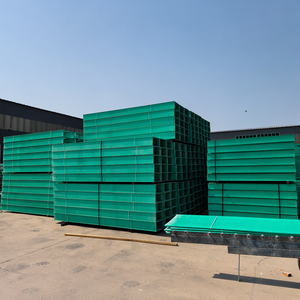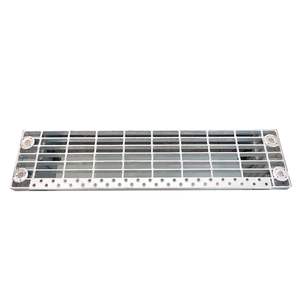
Direct manufacturer supply of carbon steel, stainless steel, aluminum, and fire-resistant FRP/GRP grating systems engineered for heavy loading, anti-slip safety, and harsh corrosive environments.
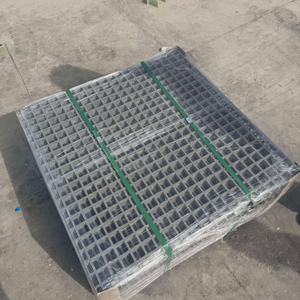
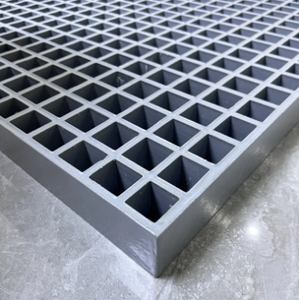
Leveraging state-of-the-art PLC electroforging line machinery, automated cold-roll forming, precision laser punching, and specialized hot-dip galvanizing to deliver zero-defect structural grating worldwide.
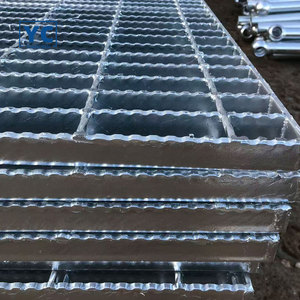
Our heavy-duty electroforged bar grating process utilizes high-voltage resistance electric fusion (~2200A) combined with over 100 tonnes of hydraulic pressure. This creates a homogeneous, monolithic joint between the twisted square cross bars and load-bearing bars with zero open cracks or weld defects.
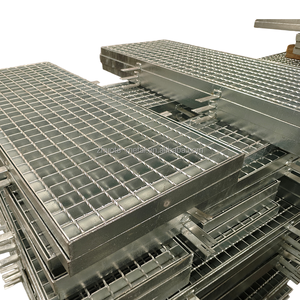
Every industrial project requires tailored penetrations for piping, columns, and vessel clearance. We manufacture custom plank and bar gratings directly to your approved CAD drawings—incorporating circular, rectangular, and oblique cut-outs, full perimeter flat-bar banding, and integral toe plates (kick plates).
From electro-polished AISI 304, 316, and 309 stainless steel for hygienic food/chemical processing to molten zinc hot-dip galvanizing for carbon steel, our surface treatments guarantee extended service life in extreme coastal, offshore, and acidic plant environments.
Understanding structural differences, slip resistance metrics (DIN 51130 R10-R13), load distribution mechanics, and material metallurgy for high-performance plant flooring.
When engineering high-elevation catwalks, conveyor walkways, or oil refinery platforms, selecting between standard bar grating and formed metal plank grating is a critical safety and structural decision. Metal plank grating offers distinctive advantages in foot comfort, small object retention, and specialized directional slip resistance.
Typical standard manufacturing parameters for custom OEM metal planks:
| Grating Type / Material | Primary Anti-Slip Profile | Max Span @ 500kg/m² | Corrosion Resistance | Optimal Industry Application |
|---|---|---|---|---|
| Electroforged Carbon Steel | Twisted Cross Bar / Serrated | 1600 mm - 2200 mm | Moderate (Requires HDG Finish) | Heavy Industrial Platforms, Power Plants, Mining |
| Stainless Steel (AISI 316/316L) | Serrated Bearing Bar / Plain | 1400 mm - 2000 mm | Extreme (Acid, Marine, Chemical) | Offshore Oil & Gas, Food Processing, Pharma |
| Diamond Grip Safety Plank | Raised Diamond Perforated Matrix | 1200 mm - 1800 mm | High (Pre-Galv or Aluminum) | Vehicle Ramps, Catwalks, Rooftop Maintenance Walkways |
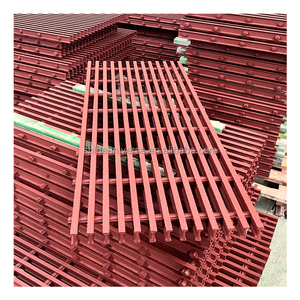
| Pultruded FRP / Phenolic Grating | Quartz Grit Top / Concave | 1000 mm - 1500 mm | Immune to Rust / Fire Resistant | Substation Isolation, Offshore USCG L2 Platforms |
| Heavy Duty Welded Bar | Plain / Serrated Deep Bar | 2200 mm - 3500+ mm | High (Hot-Dip Galvanized) | Airports, Drainage Trenches, Heavy Truck Traffic |
How global EPC contractors and procurement managers are optimizing supply chain resilience, carbon footprint metrics, and modular building efficiency.
Global mega-projects in renewable energy, modular refinery skids, and battery gigafactories are shifting from on-site cutting to 100% factory-prefabricated modular grating panels. Ordering fully banded panels with ready-to-install clamp sets reduces field installation labor costs by up to 40% and eliminates field welding hazards.
Structural steel procurement is increasingly evaluated on environmental impact. Modern steel plank factories utilize electric arc furnace (EAF) recycled steel scrap paired with energy-efficient automated fiber lasers, drastically lowering embedded carbon emissions compared to traditional coal-fired blast furnace production lines.
Where electrical grounding hazards or severe chemical splashing exist, hybrid structural designs combining pultruded fire-retardant phenolic resin gratings (USCG ASTM F3059 approved) alongside localized stainless steel plank treads are becoming standard specification across marine and offshore wind sectors.
Technical guidance for structural engineers, procurement managers, and OEM project estimators.
Electroforged bar grating consists of vertical load-bearing bars fused with square twisted cross bars under 100+ tonnes of hydraulic pressure and high electric current (~2200A). It provides maximum open area for light and air ventilation. Formed metal plank grating (such as Diamond Grip or Perf-O Grip) is cold-formed from sheet metal, providing a continuous walking surface with raised perforated slip-resistant teeth, offering superior small object containment and enhanced foot comfort.
AISI 304 is ideal for standard industrial environments, architectural sunshades, and commercial applications. AISI 316 / 316L contains molybdenum, making it mandatory for marine environments, offshore platforms, and severe acid/chloride exposure. AISI 309 is specially formulated for high-temperature zones like industrial furnace catwalks and power plant boiler decks.
When pipe or structural steel cut-outs are made in a grating panel, the continuity of load-bearing bars is interrupted. Factory banding with a flat bar of equal height to the bearing bar transfers load to adjacent intact bars. All OEM custom cut-outs should be engineered and banded at the factory to maintain original design load compliance and prevent panel edge warping under traffic.
Phenolic FRP grating meeting ASTM F3059 (Level 2 fire integrity) is specified for offshore oil platforms, FPSOs, and chemical docks where fire exposure and high corrosion render steel vulnerable. FRP offers electrical non-conductive insulation, light weight for lower topside structural weight, and complete immunity to saltwater splash corrosion.
To provide a definitive engineering quote, our estimating team requires: 1) Material type and grade, 2) Grating style (plank vs. bar grating) and pattern dimensions, 3) Load-bearing bar height/thickness or plank gauge/channel depth, 4) Clear span distance and uniform/concentrated load specs, 5) Surface finish (HDG, plain, electro-polished), 6) Detailed layout drawings showing cut-outs and quantities, and 7) Destination port for freight planning.
From complex CAD drawing reviews to bulk container export packaging, our sales engineering team delivers certified structural safety solutions tailored to your schedule.