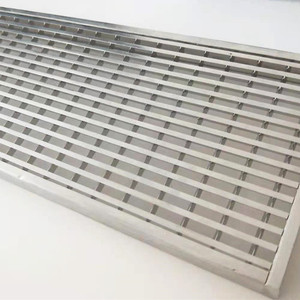
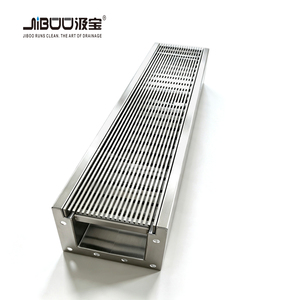
Manufactured under stringent quality matrices using AISI 304/316 stainless steel, heavy-duty structural steel, and hydraulic electroforging configurations to handle rigorous load standards up to EN 1433 Class F900.
Combining heavy-tonnage hydraulic forge-welding and high electrical current resistance to engineer monolithic grating profiles that prevent structural fatigue and withstand extreme axle loadings.
In modern hydraulic engineering, the selection of linear drainage grates serves as the fundamental defense against surface water ponding, road sub-base deterioration, and industrial hydraulic backflow. Unlike intermittent point-drain catch basins, continuous linear slot and trench grates collect discharge across extensive geometric planes. For infrastructure developers, municipal bodies, and MEP consultants operating in the Ethiopian market, specifying accurate slot topologies, hydraulic intake profiles, and tensile alloy compositions ensures civil installations achieve their multi-decade structural lifespans.
Addressing the specific operational and geographical dynamics across Addis Ababa, the Great Rift Valley logistics corridors, and special industrial zones.
Within key manufacturing hubs such as the Hawassa, Bole Lemi, and Kilinto Industrial Parks, linear grates manage high-volume chemical discharge, process wastewater, and heavy forklift transitions. Acid-washed and electropolished AISI 304/316 stainless trench systems provide non-reactive resistance against aggressive effluents in textile, leather, and pharmaceutical facilities.
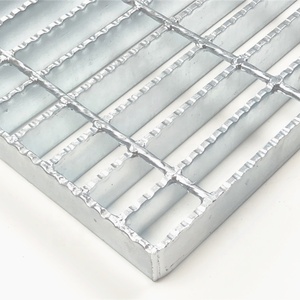
Addis Ababa sits at an elevation of over 2,300 meters, subject to the intensive Kiremt rainy season (June to September). The sudden onset of torrential precipitation requires high-intake hydraulic slot configurations. Our electroforged bar gratings maintain maximum clear open area (up to 82%), preventing flash silt sedimentation and urban ponding along steep arterial routes.
Along the heavy-haul intermodal trade spines linking Addis Ababa to the Port of Djibouti via the Modjo Dry Port, logistics terminals demand heavy-duty trench grates capable of supporting rolling axle loads under EN 1433 Class D400 to F900. Continuous forge-welded steel bar designs withstand dynamic braking, wheel vibration, and torsional freight stress without structural weld cracking.
Compare baseline material specifications against operational conditions, load requirements, and surface finish protections.
| Grating Class / Type | Material Composition | Yield / Tensile Strength | Standard Load Class | Recommended Ethiopian Application |
|---|---|---|---|---|
| Electroforged Steel Grate | Q235 / ASTM A36 Low Carbon Steel | Yield: ≥ 235 MPa Tensile: 370-500 MPa |
Class C250 to D400 (Up to 400 kN) | Highway curbs, logistics yards, urban storm mains, commercial plazas |
| Heavy Duty Bar Grating | Structural Steel Grade 50 / Fe410 | Yield: ≥ 345 MPa Tensile: 450-580 MPa |
Class E600 to F900 (Up to 900 kN) | Dry ports, container depots, military docks, airport aprons |
| Austenitic Stainless (304) | AISI 304 (0Cr18Ni9), Electropolished | Yield: ≥ 205 MPa Tensile: ≥ 520 MPa |
Class A15 to C250 (Up to 250 kN) | Architectural streetscapes, commercial developments, food processing |
| Marine Grade Stainless (316L) | AISI 316L (00Cr17Ni14Mo2) | Yield: ≥ 220 MPa Tensile: ≥ 530 MPa |
Class B125 to D400 | Chemical production plants, tannery effluent trenches, pharma laboratories |
| Pultruded / Molded FRP | Isophthalic / Vinyl Ester Resin | Flexural: ≥ 190 MPa Tensile: ≥ 210 MPa |
Class B125 to C250 | Battery storage facilities, high dielectric zones, industrial sub-stations |
Key economic, urban, and environmental drivers dictating supply chain dynamics across the East African building sector.
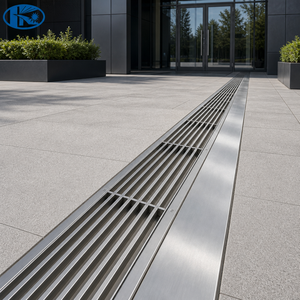
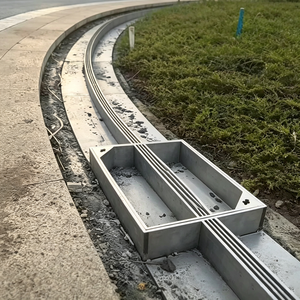
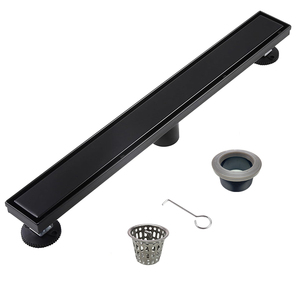
Addis Ababa's extensive Corridor Development Project is transforming urban walkability, arterial transit, and green spaces. Modern specifications have pivoted away from cast-in-place concrete open ditches toward heel-proof, ADA-compliant stainless steel slotted linear channels that combine high intake capacity with aesthetic architectural integration.
Scrap-metal diversion of traditional cast-iron grates has historically challenged municipal road maintenance across East Africa. High-specification contractors now standardize on mechanically locked electroforged grates and integrated bolt-down stainless profiles, mitigating replacement cycle costs and road hazard risks.
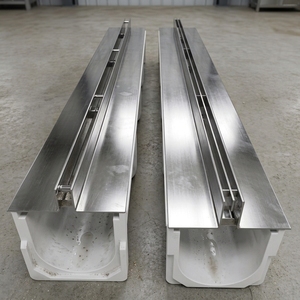
Given shortages of skilled on-site formwork labor, major civil contractors in Ethiopia are shifting from brick-and-mortar drainage channels to modular polymer concrete systems equipped with factory-fitted galvanized or stainless steel grates, cutting installation schedules by over 40%.
Direct-from-manufacturer capabilities tailored for global export projects requiring strict dimensional adherence, comprehensive metallurgical certificates, and dependable logistics execution.
Our automated production line applies over 100 tonnes of hydraulic pressure combined with 2,200 amperes of electrical energy. This fuses the square twisted cross bar directly into the pre-slotted bearing bar without filler metal, guaranteeing defect-free structural joints that do not split under vibration.
Our stainless steel grating modules undergo ultrasonic chemical degreasing, acid bath pickling, and precision electropolishing. This process eliminates welding heat tint and reconstitutes the protective chromium-oxide passive layer, delivering long-term resistance in harsh corrosive environments.
We provide full export-ready seaworthy packing, including heavy steel strapping, corner edge protectors, fumigated wooden pallets, and anti-corrosion VCI wrap. Our freight documentation integrates seamlessly with Ethiopian bank LC requirements and ESLSE (Ethiopian Shipping and Logistics Services Enterprise) transit procedures.
Addressing regulatory standards, Letter of Credit processes, load selection, and site delivery parameters.
Connect with our technical sales engineers for project cost estimations, comprehensive load-deflection calculations, and detailed fabrication shop drawings.
Get a Quote