Precision engineered to international standards (NAAMM MBG 531, ASTM A123, BS EN ISO 1461). Supplying Seattle port facilities, logistics warehouses, and marine terminals with custom-fabricated, slip-resistant flooring systems.
Seattle’s maritime marine microclimate and relentless precipitation demand load-bearing systems that mitigate micro-slip hazards and resist long-term galvanic oxidization. Our electroforged production sets industrial benchmarks.
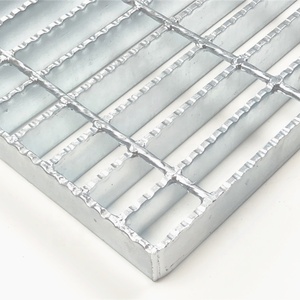
Unlike manual tack-welded gratings vulnerable to moisture retention and cold weld embrittlement, our PLC automated electroforging applies 100+ metric tonnes of hydraulic pressure combined with 2,200 amperes of electrical current. This process fuses the twisted square cross-bars into the notched bearing bars, producing a monolithic joint completely free of blowholes or structural notches.
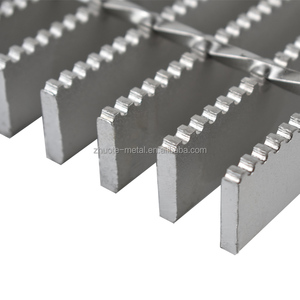
Wet environments throughout Western Washington trigger critical OSHA slip hazards. Our serrated carbon steel and stainless steel gratings feature machine-milled deeply cut serrations along the top edge of bearing bars. This physical geometry breaks the surface tension of oils, ice sheets, and stormwater films to achieve superior static friction co-efficients.
To resist Puget Sound’s saline atmospheres, every panel receives comprehensive surface preparation: caustic degreasing, acid pickling, flux passivation, followed by hot-dip zinc galvanization delivering up to 610 g/m² (85 microns) coating density conforming strictly to ASTM A123 / ISO 1461 certifications.
From the Port of Seattle’s intermodal container piers to King County's advanced bioscience complexes, grating specifications must navigate specialized environmental demands.
Operating in Puget Sound and Elliott Bay subjects gangways, drydocks, and ship loader catwalks to accelerated marine corrosion and continuous tidal splash zones. Specifying heavy-duty serrated steel gratings with welded end-banding bars prevents web deflection and ensures rigid load transfer under intensive crane work and forklift movement.
Washington state’s primary seafood processors and blast-freezing facilities handle intensive animal fats and briny washdowns. Where standard smooth surfaces turn hazardous, acid-washed and electro-polished AISI 316 stainless steel serrated gratings provide sanitary hygiene along with non-slip durability under low ambient temperatures.
With City of Seattle green stormwater infrastructure mandates and high seasonal rainfall, high-void serrated trench grates provide critical water clearance across multimodal transit walkways, bus terminals, and stormwater catch basins, preventing standing surface water while guaranteeing pedestrian heel-proof safety.
| Application Category | Recommended Specification | Load Rating Class | Primary Puget Sound Deployment Area |
|---|---|---|---|
| Pier Catwalks & Drydocks | Serrated Galvanized 32x5 mm Bearing Bar @ 30 mm pitch | AASHTO H-20 / Pedestrian Heavy | Harbor Island, Ballard Locks, Port of Tacoma |
| Fish Processing & Chemical | AISI 316L Stainless Steel Serrated Bar, Acid Passivated | Uniform 5 kPa / Point Load 1.5 kN | Fishermen's Terminal, Kent Industrial Valley |
| Distribution Center Mezzanines | Electroforged Plain/Serrated 25x3 mm Bar, Light-Duty | Uniform 3 kN/m² Live Load | Duwamish Valley Logistics Corridor, SeaTac Hubs |
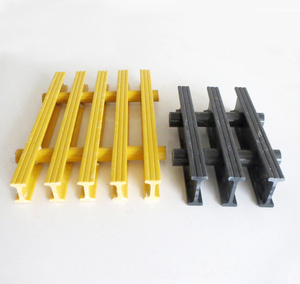
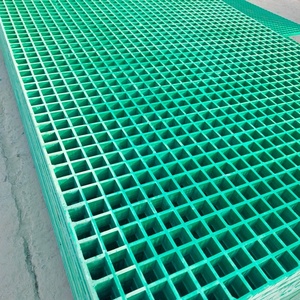
| High-Voltage Substations | Molded Mini Mesh FRP Isophthalic Resin Grating | Dielectric Non-Conductive | Regional PNW Hydro-Power Distribution Systems |
We combine advanced engineering with competitive manufacturing to deliver custom-fabricated grating products directly to projects throughout North America.
Complex architectural layouts require exact site fitment. We cut, notch, curve, and frame our panels to your structural engineering drawings. Every penetration cutout—whether circular pipe penetrations or structural steel flanges—is reinforced with complete peripheral flat-bar perimeter banding, preventing transverse stiffness loss.
Shipping direct from our advanced manufacturing facilities to the Northwest Seaport Alliance (NWSA) terminals in Seattle and Tacoma. Every order is bundled with robust steel strapping, heavy maritime-grade vapor-barrier wrap, timber dunnage, and edge protection to prevent distortion and white rust during trans-Pacific transit.
All grating shipments are delivered with comprehensive Mill Test Certificates (EN 10204 3.1) stating chemical composition, tensile yield limits, galvanization coating weight, and ultrasonic weld integrity reports. Full testing compliance offers smooth submittal approvals for North American structural engineers and inspectors.
Direct answers for project managers, structural engineers, and estimating teams purchasing steel gratings for Pacific Northwest projects.
Our serrated steel gratings are fabricated in strict alignment with NAAMM MBG 531 (Metal Bar Grating Manual) and meet OSHA safety standards for walking-working surfaces. Bearing bar dimensions, open-area ratios, deflection limitations (typically L/200 under design load), and serration profiles are fully tailored to US industrial requirements.
In wet regions like Seattle and Western Washington, smooth bar gratings present slip risks when exposed to rain, oil mist, or bio-films. Serrated bearing bars are recommended for outdoor access walkways, marine decks, industrial washdown zones, and elevated platforms where consistent foot traction is required.
Standard ocean freight transit from our manufacturing facility to the Port of Seattle or Port of Tacoma averages 18 to 26 days on the water. Production cycles typically range from 2 to 4 weeks depending on customization and banding requirements, providing reliable scheduling for commercial job sites.
Yes. We specialize in made-to-drawing fabrication. Send your structural layout or CAD files, and our engineers will detail every panel, incorporating circular or square penetrations, bevel cuts, and factory-welded kick-plates (toe-plates) so panels drop directly into place on site without field cutting.
We utilize high-grade zinc conforming to ASTM A123, producing a durable metallurgical zinc-iron alloy layer. For piers, docks, and direct marine wash zones in Elliott Bay, we recommend enhanced coating thicknesses (>85 microns) or upgrading to passivated AISI 316 stainless steel for extended service life.
Simply provide the bearing bar size and thickness (e.g., 1-1/4" x 3/16" or 32x5 mm), center-to-center pitch of bearing and cross bars (e.g., 19-W-4), surface style (serrated or plain), overall dimensions or framing drawings, finish (hot-dip galvanized, mill finish, or electro-polished), and estimated panel quantities.