Pre-qualified drainage gratings, containment channels, structural platforms, and grounding systems manufactured for major EPC contractors, municipal authorities, and industrial utilities across the Sultanate of Oman.
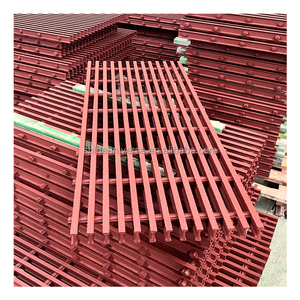
Civil infrastructure across the Sultanate of Oman faces one of the planet's most unforgiving convergence zones: intense hyper-arid solar irradiation alternating with catastrophic cyclonic precipitation events. Specifying storm drain grates, trench covers, and linear run-off channels across Muscat, Duqm, Sohar, and Salalah demands strict adherence to dynamic load ratings, high hydraulic intake coefficients, and resilient metallurgical treatments.
In the wake of severe tropical weather patterns—exemplified by Cyclones Gonu, Shaheen, and Tej—Omani civil specifications mandated through the Ministry of Transport, Communications and Information Technology (MTCIT), Muscat Municipality, and the Public Authority for Special Economic Zones and Free Zones (OPAZ) have transformed stormwater management. Drainage systems are no longer treated as peripheral conduits; they represent primary lifeline assets required to intercept high-velocity mountain wadi runoff carrying thousands of tonnes of abrasive alluvial bedload before flooding reaches expressways, industrial clusters, and residential enclaves.
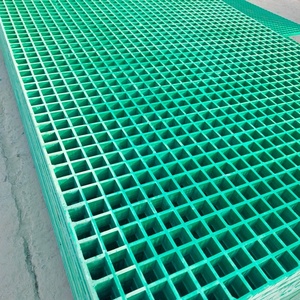
Our manufacturing and engineering facilities produce electroforged carbon steel, 304/316L stainless steel, ductile cast iron, and pultruded non-metallic FRP/GRP drainage grates tailored specifically to resist Oman’s hyper-saline coastal fog (C5-M atmospheric corrosivity), high-temperature asphalt shifting (where surface temperatures surpass 70°C in interior zones like Fahud and Nimr), and continuous heavy-axle dynamic impact loads from multi-trailer haulage along trade routes connecting Sohar Port to regional GCC destinations.
From maritime freezones to inland extraction fields, our trench grates and structural access assemblies operate continuously within Oman's most severe operational environments.
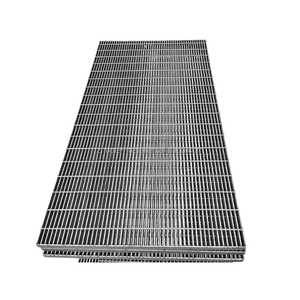
Heavy container freight corridors, bulk mineral terminals, and chemical processing complexes require D400 and F900 electroforged carbon steel drainage grates. Fabricated with continuous flat-bar perimeter banding, these grates absorb repetitive heavy axle shock loading from loaded terminal tractors and reach-stackers while mitigating lateral dislodgement during thermal expansion.
Refinery areas, sulfur handling yards, and gas separation units in Mina Al Fahal, Duqm, and Salalah demand spark-proof, non-corrosive drainage panels. Phenolic pultruded FRP gratings (meeting ASTM F3059 L2 flame spread standards) and pickled AISI 316L stainless steel channels resist hydrocarbons, sour gas condensation, and acidic washdowns.
Muscat expressway networks, Sultan Qaboos Street bypasses, and the Batinah Coastal Highway utilize transverse high-inflow linear gully grates. High open-area ratios (exceeding 68%) ensure instantaneous storm runoff capture, while serrated twisted crossbars eliminate aquaplaning risks during abrupt cloudbursts.
Duqm’s hyper-saline marine atmosphere, high prevailing moisture, and shifting coastal dune soils present extreme corrosion challenges. Heavy-duty galvanized trench grates with 100+ µm zinc coating and molded vinyl ester FRP floor panels provide long service life without structural spalling or chloride embrittlement.
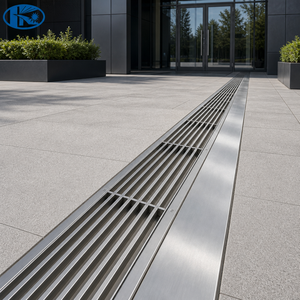
Public realm developments including Madinat Al Irfan, Oman Convention & Exhibition Centre, and Muttrah Waterfront install heel-proof, ADA-compliant stainless steel slotted linear trench grates. These deliver discreet stormwater conveyance while harmonizing with premium granite paving and municipal streetscapes.
Comprehensive comparative criteria across mechanical capabilities, thermal tolerance, and chloride survivability for consultants, EPC specifiers, and procurement officers.
| Grating Metallurgy / Composite | Standard Material Grade | EN 124 Load Class | Atmospheric Durability (Oman) | Recommended Application in Oman |
|---|---|---|---|---|
| Electroforged Carbon Steel | ASTM A36 / BS EN 10025 S275JR | Class C250 to D400 (400 kN) | Hot-Dip Galvanized >85 µm to ISO 1461. Resists inland desert abrasion and periodic rainfall. | Primary expressways, commercial loading bays, municipal perimeter catch basins, parking structures. |
| Heavy-Duty Welded Bar Grating | High-Strength Structural Steel S355JR | Class D400 to F900 (900 kN) | Deep-tank hot-dip galvanized >100 µm. Heavy crossbar anchoring for heavy rolling loads. | Sohar / Salalah port container aprons, airport runways, military bases, heavy industrial transit lanes. |
| Austenitic Stainless Steel | AISI 316 / 316L (UNS S31603) | Class A15 to C250 (250 kN) | Acid pickled & electro-polished. Immune to high salinity, coastal fog, and washdown chemical attacks. | Desalination plants (Barka, Ghubrah), commercial food processing, pharmaceutical cleanrooms, luxury promenades. |
| Molded Vinyl Ester FRP | E-CR Glass Fiber + Vinyl Ester Resin | Pedestrian to Class B125 | Superior chemical resistance, complete zero-rust profile, non-sparking, UV-stabilized inhibitors. | PDO wastewater evaporation basins, offshore drilling platforms, chemical dosing galleries, coastal battery plants. |
| Phenolic Pultruded FRP | Continuous Roving + Phenolic Resin | Class C250 (high strength-to-weight) | Low-smoke, zero-halogen flame resistant (ASTM E84 Class 1), non-conductive, self-extinguishing. | Substation cable trenches, electrical transformer yards, hazardous refinery zones, enclosed utility vaults. |
How modernized urban drainage standards and climate mitigation goals are redefining storm grate engineering requirements throughout the Sultanate.
Oman’s National Strategy for Adaptation and Mitigation to Climate Change has spurred nationwide retrofitting of stormwater retention basins, diversion channels, and culverts. Standard lightweight cast-iron drain covers are being replaced by high-flow-rate electroforged steel gratings engineered to prevent backpressure and blockages caused by rapid silt influx during flash floods.
To eliminate unauthorized removal and scrap theft along remote regional highways and industrial sectors, modern specifications across the Ministry of Housing and Urban Planning require integrated mechanical bolt-locking mechanisms, captive hinges, and tamper-proof fasteners integrated directly into the structural supporting angles.
As Duqm and Salalah establish themselves as global clean hydrogen and ammonia hubs, drainage designs must account for ultra-corrosive cryogenic and electrolytic hazards. Pultruded fiberglass and specialized non-metallic trench covers are experiencing massive adoption across hydrogen generation zones due to their dielectric, non-corroding attributes.
Why Tier-1 EPC contractors and global civil engineering consortiums partner directly with our specialized grating fabrication plants.
Our heavy-duty industrial gratings are forged on high-capacity automated production lines applying over 100 tonnes of synchronized hydraulic pressure and 2200 Amperes of electrical current. Crossbars are molecularly fused into bearing bars without filler metal, completely eliminating the internal weld crevices where cracking and accelerated rust initiation occur.
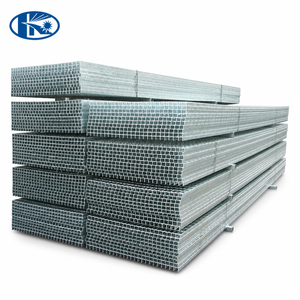
Equipped with expansive automated zinc kettles, our surface treatment line guarantees complete immersion galvanization complying with ASTM A123, BS EN ISO 1461, and GCC technical regulations. Coating thicknesses consistently exceed 85 to 120 microns, safeguarding your structural installations against chloride-saturated coastal fog and saline soil immersion.
Every civil project presents unique geometry. We utilize precision multi-axis CNC plasma cutters to execute circular, angular, and notch cutouts for drainage drop pipes, utility raceways, and structural column penetrations. All penetrations are comprehensively perimeter-banded with matching flat steel to ensure load integrity is fully preserved.
All grating panels shipped to Sohar Port or Port Sultan Qaboos undergo rigorous export bundling: heavy steel strapping, moisture-resistant edge protection, integrated lifting eye hooks, and clear piece-mark tagging aligned directly with your engineering erection drawings for seamless site assembly.
Detailed technical, regulatory, and logistics answers for project consultants, quantity surveyors, and contractors operating in the Sultanate of Oman.
Omani municipal authorities (such as Muscat Municipality and Dhofar Municipality) and the Ministry of Transport, Communications and Information Technology (MTCIT) strictly enforce the European Standard BS EN 124:2015 alongside standard GCC Unified Building Codes. For expressways and arterial corridors subject to heavy commercial transit, Class D400 (400 kN proof load) is the baseline standard for kerbside gullies and carriageways. For port zones (such as Port of Salalah and Sohar Port), container staging terminals, and airport runways, Class F900 (900 kN) is mandatory to safely withstand concentrated axle loads from heavily weighted freight equipment.
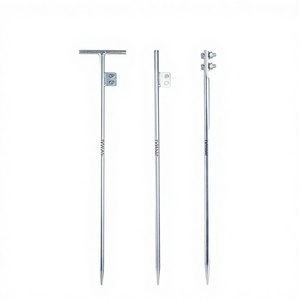
For carbon steel gratings installed in coastal corridors like Duqm, Sohar, and Muscat, standard mill galvanizing is insufficient. We perform specialized hot-dip galvanizing in accordance with BS EN ISO 1461 and ASTM A123, increasing the average coating weight to exceed 85–120 microns (>610 to 850 g/m²). Furthermore, for highly aggressive environments with sulfur compounds or high ground salinity (Sabkha soil), we offer passivated AISI 316L Stainless Steel or UV-inhibited, vinyl-ester pultruded FRP gratings, which are naturally immune to chloride-induced galvanic degradation.
All export consignments destined for Omani ports are pre-cleared with complete technical dossier compliance for prompt clearance on the Royal Oman Police Directorate General of Customs Bayan System. Documentation includes: 1. Mill Test Certificates (MTC) conforming to EN 10204 Type 3.1 validating steel chemical composition and mechanical yield strength. 2. Third-party proof load test certificates (conducted to EN 124 or ASTM C1805 protocols). 3. Galvanizing thickness inspection reports (magnetic gauge testing to ISO 2178). 4. Chamber of Commerce Legalized Certificates of Origin, commercial invoices, and packing lists with detailed piece-mark correlation.
Yes. Over 45% of our production for Middle Eastern civil and architectural projects involves bespoke custom fabrication. Contractors provide site survey dimensions or CAD/Revit layouts. We manufacture matching perimeter rebate frame assemblies (such as galvanized unequal angles with integrated cast-in rebar anchors) alongside precisely cut, banded grating panels. Circular manholes, pipe bypass notches, and tapered linear runs are detailed in approved shop drawings before factory fabrication commences.
Electroforging represents the pinnacle of structural grating manufacturing. By employing high hydraulic tonnage and simultaneous electric resistance, the twisted crossbar is forged into the pre-slotted bearing bar. Unlike hand-welding, which introduces thermal distortion, incomplete fusion, and weld slag (the prime site for early corrosion in humid Omani coastal air), electroforged panels offer uniform tensile distribution, zero welding flaws, tighter dimensional accuracy (±1mm), and superior surface flatness that eliminates rocking and clattering under traffic.
Standard fabrication runs for standard panel dimensions (e.g., 1000mm x 1000mm or standard 6m parent mats) are completed in 10 to 18 business days. Custom engineered runs requiring specialized shop drawings and complex CNC banding generally require 18 to 25 days. Maritime transit times via major regional container lines to Port of Sohar or Port of Salalah average 7 to 14 days, providing dependable, punctual scheduling for Tier-1 contractors with strict project milestone targets.
Send your structural design criteria, site drainage profiles, civil drawings, or bill of quantities (BOQ). Our senior technical sales engineers provide load calculation reviews, deflection simulations, material optimization advice, and competitive export quotations tailored for your Omani project.