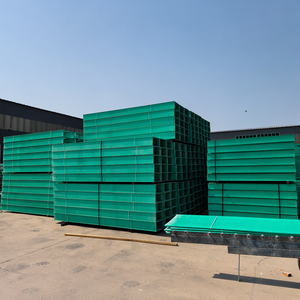
Power Plant GRP Cable Tray • High Voltage Insulation
Dielectric pultruded resin structural ladder systems engineered for utility risers and switchyards in high-temperature generation facilities.
Get a Quote
Engineered with welded carrier plates, anti-slip cast checker/serrated nosings, and high hydraulic load fusion specifically calibrated for industrial plant safety and severe environments.
Dielectric pultruded resin structural ladder systems engineered for utility risers and switchyards in high-temperature generation facilities.
Get a Quote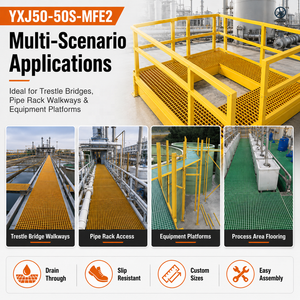
Molded quartz-grit vinyl ester grating steps offering absolute imperviousness to industrial chemical reagents, acids, and caustic exposure.
Get a Quote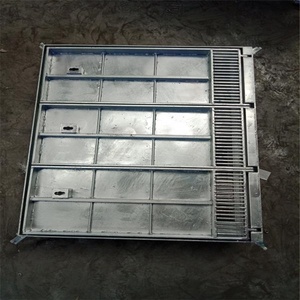
Heavy hot-dip electro-welded drainage steps and covers manufactured with precision keyholes for rapid plant maintenance access.
Get a Quote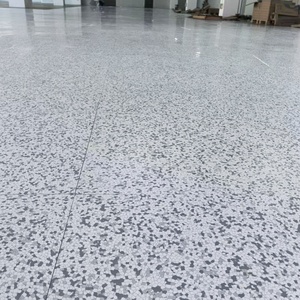
Seamless electrostatic discharge mitigation tiles engineered for automotive component cleanrooms and aerospace testing clean suites.
Get a Quote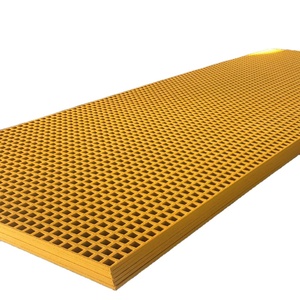
High-strength-to-weight structural composite panels engineered for marine, processing, and offshore catwalk steps and corridors.
Get a Quote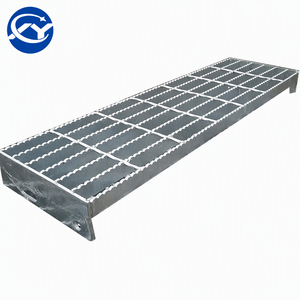
Deep serrated load bars with standardized bolt-hole end plates and checker plate high-visibility nosing for critical safety access.
Get a Quote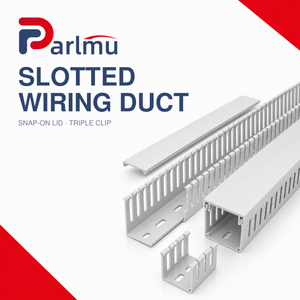
Hybrid coated steel trunking systems engineered for extreme chemical exposure and perimeter cabling installations.
Get a Quote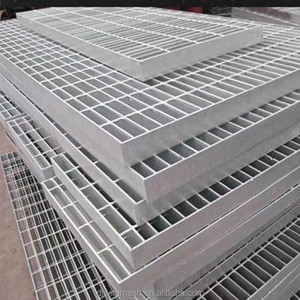
Heavy-gauge plain and serrated industrial stair solutions fabricated to ISO 14122-3 and NAAMM MBG 531 technical standards.
Get a QuoteAcross the United Mexican States, the rapid transformation of manufacturing clusters in Nuevo León, Querétaro, Guanajuato, and Coahuila under global nearshoring initiatives has triggered an unprecedented demand for structural steel flooring and stair tread systems that conform to rigorous international engineering standards. Industrial stair treads are not simply decorative passage plates; they are load-bearing safety components subject to continuous mechanical stresses, severe atmospheric oxidation, dynamic foot traffic, and seismic shear.
As premier Chinese exporters and manufacturing partners specializing in electroforged bar grating, we integrate deep technical expertise to supply Mexican EPC contractors, plant operators, and structural fabricators with stair treads that exceed the structural mandates of NOM-001-STPS-2008 (Workplace safety conditions in Mexico), OSHA 1910.24/1910.28, and the NAAMM Metal Bar Grating Manual (MBG 531). Through automated PLC-controlled electroforging, our factories apply hydraulic forces exceeding 100 tonnes simultaneously with 2,200 amperes of high-frequency electric resistance. This forge-welds square twisted crossbars directly into solid rectangular steel load bars, yielding a monolithic mesh structure with zero internal micro-cracks, zero gas entrapment voids, and no dependence on erratic manual arc filler wire.
| Stair Tread Typology | Base Metallurgy / Resin Matrix | Surface Micro-Profile | Structural Capacity (Uniform) | Primary Industrial Sector in Mexico |
|---|---|---|---|---|
| Electroforged Carbon Steel | ASTM A36 / Q235B Mild Structural Steel | Plain or High-Relief Serrated (Serration Notch 2.5mm) | ≥ 1,000 kg/m² (L/200 Deflection Limit) | Automotive tier-1 stamping, distribution centers, cement plants |
| Marine Hot-Dip Galvanized | ASTM A36 with ASTM A123 / ISO 1461 Coating | Micro-etched molten zinc bath (≥85 μm thickness) | Continuous heavy duty foot & maintenance loads | Gulf coast logistics hubs, Veracruz, Manzanillo, Altamira |
| Engineered FRP / GRP | Isophthalic Polyester / Vinyl Ester Resin | Embedded Quartz Grit or Concave Anti-Slip Profile | Self-extinguishing Class 1 (ASTM E84 Flame Spread ≤25) | Mining solvent extraction (Sonora), chemical dosing, CFE plants |
| Passivated Stainless Steel | AISI 304, AISI 316, or AISI 309 High-Temp | Pickled & Electro-Polished Mirror/Satin Passive Layer | Corrosive washdown rating ≥ 5.0 kN concentrated point load | Food processing (Jalisco), pharmaceutical cleanrooms, beverage brewing |
From the arid, copper-rich environments of Northern Mexico to the humid coastal processing zones along the Pacific and Gulf of Mexico, our customized stair treads perform under demanding physical parameters.
Assembly plants require multi-tiered mezzanine structures and paint-booth access stair towers. Our serrated galvanized treads (standard 1" x 3/16" or 1-1/4" x 3/16" bearing bars with standardized 30/100mm pitch) prevent slip-and-fall hazards caused by machine lubricants and hydraulic coolants. Complete with standard punched end-plates (70mm centers), our steps bolt directly onto C-channel stringers, cutting field erection time by 35%.
Processing plants handling copper, silver, and gold leachates demand extreme structural resistance combined with non-reactive surfaces. For these facilities, we supply heavy molded vinyl ester FRP stair treads with high-visibility safety-yellow resin and cast-in aluminum oxide grit. These units eliminate the structural oxidation and hydrogen sulfide degradation common to conventional carbon steel in mineral concentrator circuits.
PEMEX petrochemical refineries and coastal fuel handling platforms expose structural metals to persistent marine salt air, SOx, and intense coastal UV radiation. Our electroforged steel stair treads undergo heavy hot-dip galvanizing, yielding coating thicknesses exceeding 85 microns (≥610 g/m² zinc). Checker plate nosing offers instant visual detection of stair edges during night shifts or under heavy maritime precipitation.
How the restructuring of North American supply chains drives modernization in structural grating and stair tread procurement.
Nearshoring demands record-fast commissioning of high-cube logistics hubs and manufacturing plants. Mexican structural engineering firms are moving from manual on-site cut-and-weld methods to pre-engineered, CNC-cut, and precision-banded Chinese import treads that arrive ready for fast mechanical bolting.
The Secretaría del Trabajo y Previsión Social (STPS) is increasingly penalizing industrial sites that use plain, un-nosed stair steps. Plant managers now specify welded checker-plate or cast-aluminum abrasive nosings that satisfy slip-resistance coefficients under oily conditions.
Given the rising cost of periodic repainting and structural rehabilitation in marine-adjacent facilities (such as Tuxpan and Altamira), EPC specifiers are standardizing on fire-retardant, molded FRP stair treads to cut lifecycle operating costs.
By bypassing multiple tiers of local intermediaries in Mexico, regional steel service centers and general contractors lower material acquisition costs by 20% to 32% while locking in consistent chemical mill test certificates (MTR) from China.
Key technical, regulatory, and logistics answers for procurement engineers sourcing stair treads from China into Mexico.
Combining heavy forge tooling, automated welding lines, and rigorous export QA to deliver reliable structural treads at scale.
We work from Tekla, AutoCAD, or SolidWorks detailing to supply straight, spiral, or tapered stair treads. All carrier bolt holes, checker-plate or abrasive cast-grit nosings, and perimeter banding are completed prior to hot-dip galvanizing, eliminating un-coated torch cuts or site rework.
Every heat batch of structural carbon steel is verified against ASTM A36 or GB/T Q235B with traceable EN 10204 3.1 certification. Our integrated hot-dip galvanizing kettles achieve a dense, uniform metallurgical zinc-iron alloy coating verified via magnetic thickness gauges to guarantee over 85 μm of surface protection.
Our direct shipping desk manages export container staging with major maritime carriers sailing straight to Manzanillo, Lázaro Cárdenas, and Altamira. We coordinate container stuffing with optimal weight distribution, ensuring your project arrives on schedule without demurrage risks.