Industrial Composite Engineering Series

Top China Molded FRP Grating Factory & Exporters Serving the Canada Market

Precision-molded fiberglass reinforced polymer flooring engineered for Sub-Zero -50°C freeze-thaw cycles, Canadian marine coastlines, and aggressive oilfield refining corridors.

ASTM E84 Class 1 Flame Spread (≤ 25)
-50°C Sub-Zero Impact Certified
65-70% Standard Resin Content
100+ Tons Monthly Direct Canadian Exports
Engineered Product Portfolio

High-Performance Molded FRP & Grating Solutions

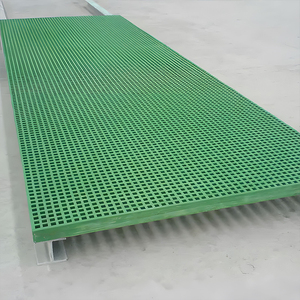
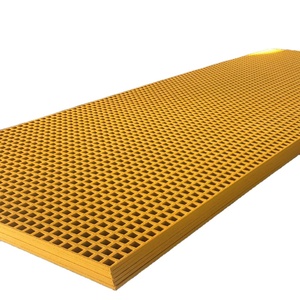
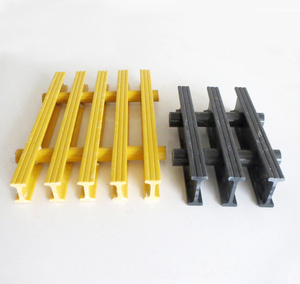
Manufactured using high-viscosity vinyl ester, isophthalic, and polyester resins woven with continuous E-glass roving strands. Ready to ship to ports of Vancouver, Montreal, and Halifax.

Application Engineering

Optimized for the Canadian Climate & Industrial Sectors

From offshore Arctic petroleum platforms to municipal wastewater plants across Ontario, our molded FRP compounds withstand aggressive chemical stress and thermal contraction.

Alberta Oil Sands & SAGD Corridors

Steam-Assisted Gravity Drainage (SAGD) facilities encounter hydro-treating acids, sulfur run-off, and heavy saline produced water. Traditional galvanized steel experiences structural spalling within 36 months. Our vinyl ester molded FRP delivers zero corrosion maintenance, zero spark hazards in Class 1 Div 1 explosion zones, and uninterrupted service under constant 90°C thermal immersion.

Coastal BC & Atlantic Marine Docks

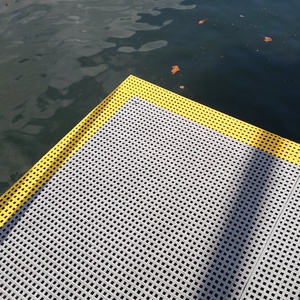
Seaports in Vancouver, Prince Rupert, and Halifax face constant Pacific/Atlantic salt spray, mechanical tidal abrasion, and continuous wet environments. Our molded grating incorporates integral silane coupling agents that prevent osmotic blistering, fiber strand delamination, and microbial algae growth, preserving structural shear modulus year after year.

Municipal Wastewater & Ontario Mining

Northern Ontario gold and nickel processing plants alongside municipal clarifiers emit dense H2S vapors, chlorine compounds, and ferric chloride solutions. Molded FRP grids replace deteriorated cast iron sump covers, reducing installation rigging costs by over 60% due to lightweight manual placement without crane permits.

Comparative Whitepaper Analysis

Molded FRP vs Traditional Metals in Arctic & Sub-Zero Duty

Design parameters when engineering pedestrian walkways and access cat-tracks across provinces like Saskatchewan, Quebec, and the Northwest Territories.

Engineering Property Molded FRP (Isophthalic / VE) Hot-Dip Galvanized Carbon Steel Grade 316 Stainless Steel
Specific Gravity / Density 1.8 - 1.9 g/cm³ (Ultra-Lightweight) 7.85 g/cm³ (High Crane Overhead) 8.00 g/cm³ (Excessive Dead Load)
Sub-Zero Impact Resiliency (-40°C) Ductile flexure; zero cold embrittlement Prone to crystalline notch brittleness Retains toughness but high cost
Coefficient of Thermal Expansion (CTE) 13 - 18 x 10⁻⁶ /°C (Matches Concrete) 11.7 x 10⁻⁶ /°C 16.0 x 10⁻⁶ /°C
Electrical & Thermal Conductivity Zero (Dielectric Insulator) High (Shock & Stray Current Danger) Moderate (Hazardous in Arc Flash zones)
De-icing Salt & Chemical Resistance Impervious to CaCl2, NaCl, and Acid Mist Zinc coat dissolves within 2-4 seasons Subject to chloride pitting & crevice crack
Field Customization & Cutting Circular saw with diamond blade (Cold work) Hot-torch cutting + on-site zinc paint reseal Plasma cutter required + pickling passivation

*Data verified according to ASTM D635, ASTM E84, and ISO 14125 test coupons. Deflection limits computed at L/200 standard for pedestrian safety ergonomics.

Market Drivers & Procurement Trends in Canada (2025–2030)

Canadian industrial procurement is pivoting rapidly away from traditional carbon steel bar grating due to three primary structural trends:

  • Rising De-Icing Chemical Exposure: Canadian infrastructure standards increasingly favor non-metallic materials to resist deep road salt pitting on drainage sumps, elevated highway walkways, and bridge inspect catwalks.
  • CSA Occupational Safety & Ergonomics: Molded FRP offers intrinsic elastic modulus rebound, dramatically reducing lower lumbar and joint fatigue for plant personnel standing on production lines for 8-12 hour shifts compared to rigid steel floor plates.
  • Elimination of Hot-Work Permits: In active petrochemical refineries and offshore gas hubs, structural adjustments using abrasive saws require no Class 1 combustible permits, cutting turnaround shutdown durations by 30-45%.
Enterprise Manufacturing Excellence

Why Tier-1 Canadian Contractors Partner with Us

Combining heavy-tonnage electroforging and automated resin pultrusion/molding lines to deliver international export-grade floor grating solutions directly from our factory floor.

Continuous Wetting & High Glass Ratio

We implement a strict 30-35% glass-fiber to 65-70% resin ratio by weight across all molded molds. Automated multi-layer cross-weaving ensures structural strength is symmetrically distributed along both axes, completely eliminating cracking during site cut-outs.

Full Canadian Logistics Integration

Our direct export workflow provides bundled crates strapped with galvanized corner caps, moisture-proof shrink-wrap, and customs documentation tailored to the Canada Border Services Agency (CBSA), offering CIF terms to Vancouver, Calgary, Toronto, and Halifax.

ASTM E84 & Fire Retardant Chemistry

Formulated with premium aluminum trihydrate (ATH) additives, our fire-retardant vinyl ester systems consistently achieve a Class 1 flame spread index of less than 25 under ASTM E84 tests, ensuring compliance with the National Building Code of Canada (NBC).

Procurement Clarity

Frequently Asked Questions for Canadian Buyers

Clear, direct answers regarding resin compatibility, cold-temperature ratings, customs clearances, and installation standards.

How does molded FRP grating behave in extreme Canadian winters at -40°C or -50°C?
Unlike structural carbon steel, which can undergo a ductile-to-brittle transition when exposed to sub-zero temperatures, molded FRP composites experience an increase in tensile strength and flexural modulus under freezing conditions. Our engineered resins with ultraviolet inhibitors and silane-treated continuous roving bundles eliminate internal micro-fissuring during rapid freeze-thaw cycles, ensuring long-term structural safety on northern mining platforms and exterior catwalks.
What resin formulation should I specify for my Canadian plant environment?
We provide three standardized resin systems:
1. Orthophthalic Polyester: Suitable for general pedestrian corridors, water treatment plants, and light commercial architectural screens.
2. Isophthalic Polyester: Recommended for industrial food manufacturing, livestock washdown areas, and marine coastal docks exposed to splash brine.
3. Vinyl Ester (Derakane equivalents): Required for severe petrochemical, metallurgical, and acid pickling applications where strong acids, caustics, and organic solvents are continuously present.
Can you provide custom cut-outs, banding, and fastener clip assemblies?
Yes. We fabricate panels directly according to your detailed structural layout drawings. All circular or rectangular cut-outs for pipe penetrations, vessel flanges, and structural steel columns are banded with resin sealing to encapsulate the glass fibers. We supply matching 316 stainless steel M-Clips, C-Clips, and G-Clips specifically engineered to secure panels against severe vibration and dynamic wheel loads.
What are the lead times and shipping procedures to Canadian ports?
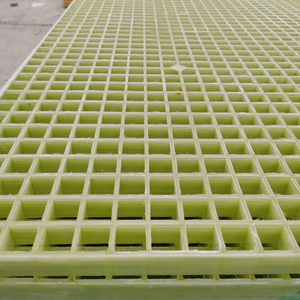
Standard panel specifications (such as 38x38x38mm in 1220x3660mm sheets) typically dispatch within 10 to 14 days. Ocean transit to Vancouver Port takes roughly 16 to 22 days, while transit to Montreal or Halifax through the East Coast requires approximately 30 to 35 days. We provide comprehensive export documentation, including packing lists, bills of lading, material test certificates (MTC), and certified phytosanitary fumigation documents for all wood skids.
Does your molded grating comply with Canadian ADA and pedestrian safety standards?
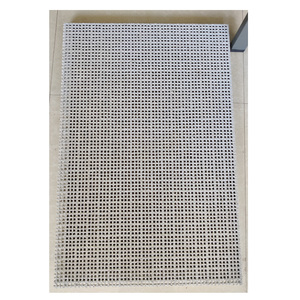
Yes. Our Mini-Mesh (19x19mm upper mesh) and Micro-Mesh products comply fully with ADA (Americans with Disabilities Act) and corresponding Canadian accessible design criteria. The opening size prohibits a 1/2" diameter sphere from passing through, allowing seamless passage for wheelchairs, luggage, and personal wheeled carts while eliminating heel entrapment hazards on public boardwalks.

Engineering Your Next Industrial Flooring Project in Canada?

Send your structural specifications, span load requirements, and CAD drawings. Our composite engineering team will prepare an optimized material take-off, resin compatibility evaluation, and landed CIF cost quotation within 24 hours.

Contact Us