
Engineered Catalog
High-Performance Molded FRP Panels Available for GTA Delivery
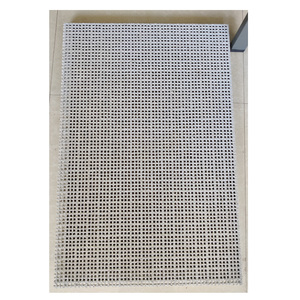
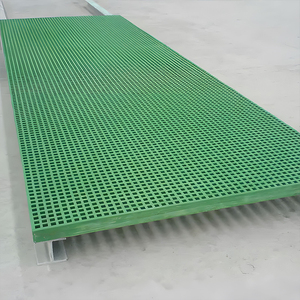
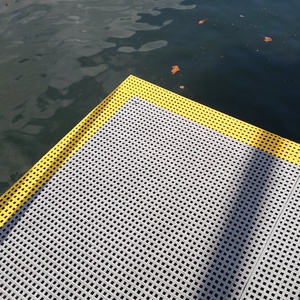
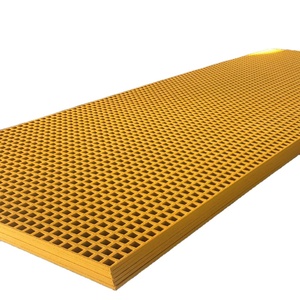
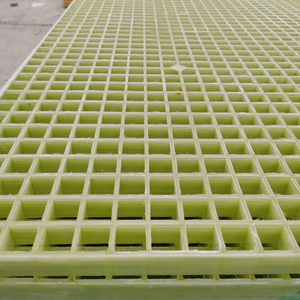
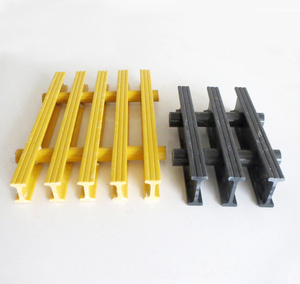
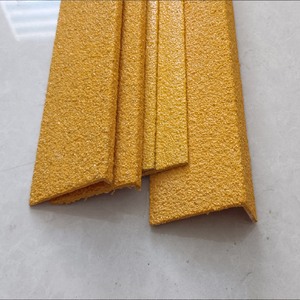
Explore our heavy-duty inventory of molded fiberglass reinforced plastic flooring grids, mini mesh panels, and specialized profiles certified for corrosive processing platforms and public transit walkways.
ASTM E84
Flame Spread Class 1 (≤25)
-45°C to +85°C
Ontario Thermal Elastic Range
1/3 Weight
Versus Traditional Structural Bar
65% to 70%
Optimal E-Glass to Resin Matrix Ratio
Material Science
Structural Mechanics of Molded FRP in Sub-Zero Ontario Conditions
A rigorous evaluation of glass-fiber reinforced polymer (GFRP) structural stability when exposed to southern Ontario's harsh freezing thresholds, lake effect dampness, and road de-icers.
Civil infrastructure throughout the Greater Toronto Area (GTA) faces unique microclimates. Alternating cycles of deep freezing conditions down to -30°C in winter and humid summer temperatures soaring past 35°C lead to severe structural fatigue in metallic grating installations. Traditional hot-dip galvanized and mild steel components degrade rapidly under heavy applications of aggressive road salts (principally calcium chloride and rock salt / sodium chloride) used across Toronto roadways, rail corridors, and municipal facilities.
Molded fiberglass reinforced plastic (FRP) provides a permanent alternative. Constructed through a rigorous compression wetting process using continuous high-strength E-glass roving woven bi-directionally inside an open, heated steel mold, our molded grating features an integral one-piece mesh construction. Unlike welded carbon bar or electroforged panels where mechanical bond failures occur at joint welds under impact loads, molded FRP distributes dynamic wheel and pedestrian weight uniformly along both longitudinal and transverse axes.
| Engineering Property | Standard Steel Grating | Molded Isophthalic FRP | Vinyl Ester Molded FRP |
|---|---|---|---|
| Density / Weight Ratio | 7,850 kg/m³ (Heavy) | 1,800 kg/m³ (Lightweight) | 1,850 kg/m³ (Lightweight) |
| Chemical & Salt Corrosion | Sacrificial Galvanized (Pits in salts) | Immune to brines & mild acids | Maximum solvent, acid & alkali protection |
| Electrical & Thermal Hazard | Conductive (Shock & Arc flash risk) | Non-conductive dielectric insulator | Non-conductive dielectric insulator |
| Freeze-Thaw Spalling Risk | Joint embrittlement under ice wedging | Negligible flexural loss down to -50°C | High elongation; zero micro-cracking |
| Slip Resistance Index | Low (Slippery when iced/oily) | Integral quartz grit: 0.85 COF | Integral quartz grit: 0.88 COF |
Regional Implementation
Localized GTA Applications & Critical Use Cases
Tailored structural mesh profiles designed around building safety specifications and heavy-duty municipal demands across southern Ontario.
Water & Wastewater Treatment
Widely deployed in regional facilities across Lake Ontario such as Ashbridges Bay and F.J. Horgan Treatment Plants. Inherent immunity to hydrogen sulfide gas (H₂S), liquid ferric chloride, sodium hypochlorite, and constant moisture ensures zero structural deterioration over a 30-year operational lifecycle.
Transit Platforms & Rail Environs
Critical for TTC and Metrolinx rail platforms, substations, track crossovers, and third-rail safety paths. Because fiberglass reinforced plastics deliver high dielectric insulation, our panels eliminate stray electric current dangers while resisting track salt blowback during winter operations.
Industrial Corridors: Peel & York Regions
Distribution centers, chemical processing lines, and food manufacturing plants in Mississauga, Brampton, and Vaughan benefit from high-load molded floor grids that withstand rigorous pressure-washing, continuous forklift movements, and hydraulic fluid drips without delaminating.
Market Evolution
Ontario Infrastructure Trends: Steel Replacement with Composite Systems
Analyzing the long-term cost benefits, safety standards, and sustainable procurement trends guiding Canadian structural engineers.
Across provincial and federal infrastructure investments in Ontario, lifecycle cost analyses (LCCA) have become the central criterion for material selection. Traditional galvanized carbon steel, long considered the standard for exterior walkways and trench grates, has proven economically inefficient over continuous 20-year cycles. Corroded panels require costly replacements, crane rentals, and plant shutdowns, particularly around de-icing salt exposure.
The transition toward Molded FRP grating satisfies critical architectural demands: 1) ADA Compliance & Mini-Mesh Configurations: Transit authorities and municipal walkways increasingly require pedestrian-friendly mini-mesh (19mm x 19mm top apertures) and micromesh grids. These panels prevent high heels and walking canes from catching and prevent objects from falling onto active tracks beneath suspended catwalks. 2) Ergonomic Worker Safety: Molded FRP possesses natural elasticity. When operators walk along service floors for continuous 8-hour shifts, the subtle microscopic deflection relieves leg, knee, and back strain compared to unyielding steel or concrete. 3) Sustainable Footprint & Passive Upkeep: Zero-paint, zero-re-galvanizing schedules drastically reduce ongoing maintenance budgets, lowering the embedded carbon footprint over municipal project lifespans.
Enterprise Strengths
Direct-from-Source Precision & Verified Compliance
Why leading contractors and procurement teams across Ontario partner directly with our specialized engineering facilities.
Custom CNC Precision Cut-to-Drawing
Send our design engineering desk your exact DWG or CAD layouts. We execute round, square, diagonal, and edge cut-outs with robotic precision, then seal all exposed fiber margins with premium polyurethane or vinyl ester resin to preserve 100% moisture barrier integrity.
Stringent Quality & Load Verification
Every export production lot is subjected to comprehensive flexural deflection testing under concentrated and uniform live loads according to ASTM standards. Complete certified Mill Test Certificates (MTC), resin purity audits, and flame-retardant burn logs accompany every manifest.
Export Crating & Direct GTA Logistics
Exporting to Canada requires sturdy moisture-proof bundling to avoid shifting during maritime and rail transit. Panels arrive cleanly banded with heavy-duty edge guards, labeled panel-by-panel against your staging drawings for seamless on-site installation.
Knowledge Base
Frequently Asked Questions by Toronto Engineers & Buyers
Clear, technical explanations covering resin matrix chemistry, Ontario fire codes, load limits, and Canadian freight handling.
How does molded FRP grating behave in Toronto’s sub-zero winter temperatures?
Unlike cheap thermoplastic grids or basic structural carbon steels that suffer cold embrittlement below freezing temperatures, thermoset molded FRP maintains its flexural integrity, tensile profile, and impact modulus down to -50°C. The woven E-glass roving retains internal elasticity, while the cured resin shield prevents moisture absorption, completely mitigating the risk of freeze-thaw spalling and cracking.
Does your molded fiberglass grating meet Ontario Building Code fire resistance standards?
Yes. Our standard isophthalic polyester and premium vinyl ester systems are formulated with fire-retardant additives and antimony trioxide to meet ASTM E84 Class 1 flame spread requirements (≤25). For severe fire exposure, rail tunnels, or enclosed environments, our specialized phenolic composite grating delivers an ultra-low smoke index (≤5) and exceptional flame toxicity ratings.
What is the practical difference between Isophthalic, Orthophthalic, and Vinyl Ester resins?
Orthophthalic resin is an economical grade suited for dry utility platforms with low chemical exposure. Isophthalic polyester is the premier industrial standard, offering excellent splash/spill protection against mild acids, caustic washes, industrial cleaners, and road brines. Vinyl Ester represents the ultimate performance tier, engineered specifically for chemical plants, battery facilities, pickling lines, and wet wastewater environments demanding zero compromise under aggressive acids and alkalis.
How do we install and secure molded FRP panels to structural steel supports?
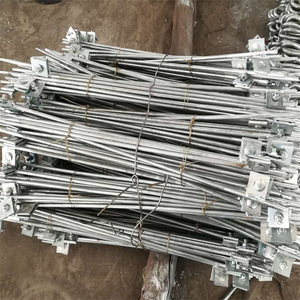
Installation is straightforward and requires no heavy hot-work permits or welding setups on site. Panels can be cut with standard abrasive blades (carbide/diamond-tipped circular saws) and fastened to underlying structural I-beams, C-channels, or angle frames using 316-grade stainless steel M-Clips, C-Clips, or G-Clips. We furnish all matching clips and high-grade fasteners along with the panel shipments.
Can you manufacture custom panel dimensions to minimize on-site cutting waste?
Yes. In addition to our standard master sheets (e.g., 1220x3660mm, 1000x4000mm, 1220x2440mm), we supply pre-fabricated panels cut to exact dimensions, complete with pipe penetration cutouts, angle cuts, and edge banding. Fabricating cutouts directly at our plant ensures precision tolerances and resin-sealed edges, saving contractor crews hours of labor on Canadian job sites.
Ready to Engineer Your Toronto Project?
Send your takeoff lists, custom engineering drawings, or chemical specifications. Our composite specialists will review load charts, provide material recommendations, and deliver a competitive export estimate.