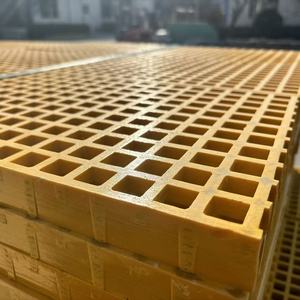
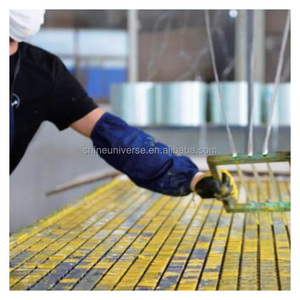
EN ISO 14122 & CE EN 1090-1 Certified Factory

CE Certified Metal Floor Grating Factory & Exporters

Precision PLC-Electroforged, Stainless Steel 304/316, Heavy-Duty Bar & High-Load FRP Grating Systems Engineered to Custom Drawings for Global EPC Projects & Heavy Infrastructure

Engineered Industrial Flooring & Drainage Solutions

Examine our certified series of hot-dipped galvanized carbon steel, pultruded and molded FRP composite grids, and heavy-duty load-bearing platform solutions fabricated specifically to international structural safety standards.
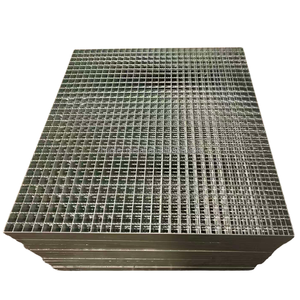
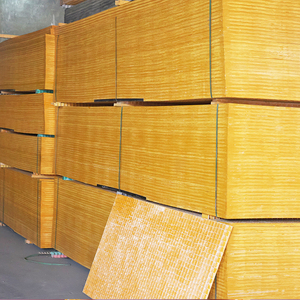
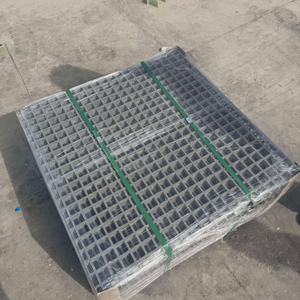
HDG Zinc Coated Hot Dipped Galvanized Steel Grating Floor Platform Walkway

Hot Dipped Galvanized Zinc Coating Steel Grating Floor Platform Walkway Anti-Corrosion

  • ASTM A123 Hot Dip Zinc (≥85 µm)
  • Serration option for oil & rain traction
  • Span capability up to 3000 mm
View Specifications
Chemical Resistant FRP Grating Fiberglass Floor Panel Anti Slip Grid Walkway

FRP Grating Fiberglass Floor Panel Anti Slip Grid Walkway Platform Grating for Drainage

  • Isophthalic & Vinyl Ester resins
  • Non-conductive & spark resistant
  • Concave or quartz grit surface
View Specifications
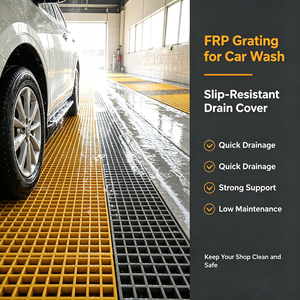
High Drainage Custom Size FRP Grating Fiberglass Grille Non-slip GRP Mesh

Factory Custom Size FRP Grating Fiberglass Grille Non-slip GRP Mesh Floor for Car Wash Bay

  • Molded bi-directional load strength
  • Resistant to detergents & wash water
  • Quick cutting without structural fray
View Specifications
Fire Retardant Non Slip Phenolic FRP Grating Panels and Clips

Direct Wholesale Durable Non Slip Drainage Work Platform Phenolic Fiberglass FRP Panels

  • USCG Level 2 fire endurance rated
  • Low smoke toxicity for offshore decks
  • Full sets of 316 SS hold-down clips
View Specifications
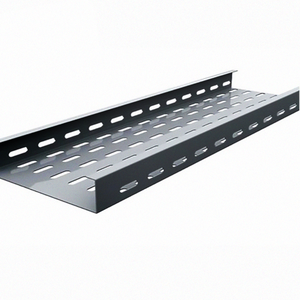
ZAM Corrosion Proof OEM Custom ZAM Rust-Proof Cable Tray System

OEM Custom ZAM Rust-Proof Cable Tray Perforated Design Cable Management System

  • Zinc-Aluminum-Magnesium alloy coating
  • Self-healing sheared edge protection
  • Compatible with industrial catwalks
View Specifications
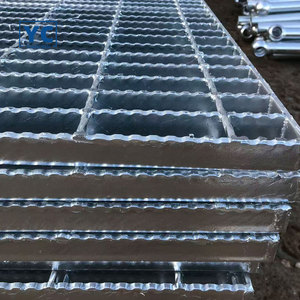
Heavy Rolling Load High Strength Galvanized Steel Grating Panels Heavy Duty

High Strength Galvanized Steel Grating Panels Heavy Duty Industrial Platforms Walkways

  • Bearing bars up to 100 mm × 10 mm
  • Engineered for AASHTO H-20 & forklift axle
  • Automated continuous forge fusion
View Specifications
Structural Molded High Strength Customizable FRP Molded Grating

High Quality High Strength Customizable FRP Platform Grating Fiberglass Molded Grating

  • Continuous E-glass roving reinforcement
  • Impact resilient with dynamic recovery
  • Zero paint maintenance lifecycle
View Specifications
Anti-Slip Walkway Shine Universe Premium FRP Molded Grating With Customized Colors

Shine Universe Premium FRP Molded Grating With Customized Colors And Cutting Service

  • OSHA safety yellow, green & gray options
  • CNC precision cut-to-drawing service
  • DIN 51130 R13 slip certification
View Specifications
100+ Tonnes
Hydraulic Electroforging Force
~2,200 A
Cross-Bar Fusion Current
304 / 316 / 309
Certified Stainless Grades
100% Banded
Full Perimeter Cut-Out Sealing

Enterprise Engineering Advantages: Industrial Floor Grating Manufacturing

In petrochemical refineries, mega offshore drilling installations, power generation plants, water treatment complexes, and deep-sea port terminals, metal floor grating is not merely a walking deck—it is a critical load-bearing structural element directly governed by strict life-safety, occupational health, and structural deflection limits. Under European standard EN ISO 14122-2, British standard BS 4592, and North American standard ANSI/NAAMM MBG 531, industrial walkways and mezzanine platforms must sustain specified concentrated and uniformly distributed loads (UDL) while preventing elastic sagging and permanent plastic deformation.

As a CE certified metal floor grating factory and international exporter, our manufacturing plants integrate advanced computerized electroforged fusion machinery, high-precision automated laser profile cutting, and closed-loop hot-dip galvanizing kettles. Our manufacturing excellence is built upon four fundamental engineering pillars:

PLC Electroforging Fusion

Over 100 metric tonnes of hydraulic pressure combined with 2,200 amperes of electrical current fuse square twisted cross bars seamlessly into load-bearing flat bars without air cavities or slag inclusion.

CE & ISO Quality Control

Certified in accordance with EN 1090-1 Execution Class EXC2/EXC3 and ISO 9001:2015. Every dispatch is accompanied by EN 10204 3.1 Mill Test Certificates and galvanizing thickness reports.

Engineered to Drawing

Complex circular, square, and edge cut-outs are fabricated precisely to BIM / CAD drawings. All cut edges are banded with matching flat bars to maintain load redistribution and eliminate sharp edges.

Export Packing & Logistics

Tightly bundled on heavy steel skids with polymer edge protectors, waterproof vapor corrosion inhibitor (VCI) film, and stamped piece numbers for frictionless site identification and crane offloading.

Information Gain Insight: Unlike standard manual metal arc (MMA) hand-welded gratings that suffer from inconsistent weld throat thickness and thermal distortion, machine electroforging creates a homogenous molecular joint. The cross bar is embedded under plastic deformation into the bearing bar, ensuring zero reduction in the moment of inertia ($I_x$) while resisting extreme cyclical vibration and torsional loads.

Engineering Grating Selection Matrix: Metallurgy, Load & Application

Procurement engineers must balance mechanical load-carrying requirements, ambient corrosive factors, installation weight limits, and anti-slip compliance. The table below outlines technical criteria across standard alloy and composite grating categories:

Grating Classification Material Specification Yield Strength / Tensile Anti-Corrosion Treatment Recommended Industrial Applications
Electroforged Carbon Steel S235JR / ASTM A36 Yield: ≥235 MPa; Tensile: 360–510 MPa Hot Dip Galvanizing (ISO 1461, ≥85 µm) Refinery walkways, power generation mezzanines, boiler access platforms, catwalks
Heavy Duty Welded Bar S355JR / ASTM A572-50 Yield: ≥355 MPa; Tensile: 470–630 MPa Heavy Zinc Bath (≥100 µm zinc layer) Trench drains, heavy truck loading bays, airport service decks, forklift roadways
Austenitic Stainless Steel AISI 304 / 316 / 316L / 309 Yield: ≥205 MPa; Tensile: ≥515 MPa Full Acid Pickling & Electro-polishing Food & beverage processing, marine splash zones, pharmaceutical labs, chemical plants
Molded FRP / Fiberglass Vinyl Ester / Isophthalic Resin Flexural Strength: ≥180 MPa Inherent chemical & UV resin formulation Acid pickling lines, offshore oil platforms, battery rooms, municipal wastewater tanks
Perforated ZAM Cable Tray Zinc-Al-Mg Coated Steel Sheet Yield: ≥280 MPa Triple alloy continuous barrier (Zn-Al-Mg) Cable management suspended along catwalks, chemical utility bridges, switchgear trenches

Strategic Industrial Grating Procurement Trends (2025–2030)

Procurement of metal and composite floor grating has evolved from an ad-hoc commodity purchase into a strategic, data-driven engineering decision. EPC contractors, structural consulting firms, and procurement directors must navigate modern regulatory and digital transformations shaping global trade:

BIM Integration & 3D Modeling

Modern infrastructure tenders mandate building information modeling (BIM) data files (.IFC, Tekla, Revit). Fabricators must deliver grating layouts with zero-clash tolerances, incorporating pre-cut pipe penetrations and toe plates before leaving the factory floor.

CBAM & Carbon Accounting

Under the European Union’s Carbon Border Adjustment Mechanism (CBAM), importers of steel grating must document embedded carbon footprints. Procurement shifts toward scrap-based Electric Arc Furnace (EAF) steel and energy-optimized galvanizing furnaces.

LCC (Life-Cycle Costing)

Procurement criteria have shifted from Initial Purchase Cost (IPC) to 30-year Life-Cycle Costing. Premium corrosion coatings like high-nickel hot dip zinc or heavy phenolic FRP reduce recurring maintenance down-time and costly shutdown replacements.

Technological & Material Evolution in Metal Floor Grating

The metal floor grating sector is experiencing rapid technological evolution across mechanical engineering, metallurgy, and automated fabrication:

ZAM (Zinc-Aluminum-Magnesium) Breakthroughs

Traditional batch hot-dip galvanizing relies on pure zinc coatings susceptible to acidic and high-chloride conditions. New ZAM alloy coatings incorporate 1%–3% magnesium and 2%–6% aluminum, providing 5 to 10 times higher corrosion resistance. In cable trays, perforated drainage panels, and auxiliary walkways, ZAM forms a protective simonkolleite patina that chemically migrates to seal sheared exposed edges without touch-up spray.

High-Strength Low-Alloy (HSLA) Steels

By transitioning bearing bar metallurgy from standard S235JR to micro-alloyed S355JR or S460 structural steel, fabricators reduce panel mass by 20% to 28% while maintaining identical ultimate limit state (ULS) load capacity. For offshore marine platforms and deep-mine shafts, this reduction directly minimizes primary structural steel weights, maritime shipping container tonnage, and crane lift hours.

Frequently Asked Questions: Technical Engineering & Export Procurement

Detailed technical responses addressing engineering specifications, safety regulations, fabrication limits, and international maritime delivery:

1. What is the fundamental difference between electroforged grating and manual welded grating?
Electroforged gratings are produced using automated PLC-controlled machines that apply over 100 tonnes of hydraulic pressure simultaneously with ~2,200 amperes of electrical current. This process softens and fuses the square twisted cross bar deeply into the bearing bar without filler metal, creating a seamless, crack-free metallurgical bond. In contrast, manual welded grating uses tack welding or shielding gas welding panel by panel. Manual fabrication is ideal for low-volume, non-standard geometric shapes with tight cut-outs, whereas electroforged panels provide superior structural integrity, dimensional repeatability, and deflection consistency for massive plant floors.
2. How does EN ISO 14122-2 dictate maximum grating deflection and ball-drop safety rules?
EN ISO 14122-2 specifies that under working load (typically 1.5 kN concentrated load on a 200 mm × 200 mm footprint, or 2.0 to 5.0 kN/m² uniformly distributed load), the elastic deflection ($f$) must not exceed 1/200th of the span ($L/200$), with a maximum deflection limit of 4 mm to prevent pedestrian trips. Additionally, for platforms where personnel walk beneath, the mesh aperture must prevent a 35 mm ball from falling through; if continuous foot traffic occurs below, a 20 mm ball-drop clearance rule applies, often requiring 30/100 or 19/30 tight bar spacings.
3. When should procurement select Stainless Steel AISI 316 over Galvanized Carbon Steel?
While hot-dip galvanizing protects carbon steel through sacrificial zinc oxidation in C1 to C3 atmospheric corrosion categories (ISO 12944), environments classified as C4, C5, or CX (chemical manufacturing, sulfuric acid vapor, marine splash splash-zones, chlorine bleaching plants, and sanitary pharmaceutical rooms) strip zinc rapidly. Austenitic stainless steel AISI 316 contains 2% to 3% molybdenum, which dramatically elevates the Pitting Resistance Equivalent Number (PREN ≥ 23), preventing pitting, crevice corrosion, and microbial attack even under rigorous chemical washdowns.
4. Why is flat bar edge-banding critical for custom cut-out panels?
When a panel is cut to accommodate piping, conduit, structural columns, or valve equipment, the severed bearing bars lose their end boundary conditions and cross-bar load-sharing ability. Unbanded cut edges suffer from severe stress concentration, bar buckling, and premature structural failure. Banding involves full-depth welding of a perimeter flat bar equal to or greater than the bearing bar dimensions. This restores structural moment continuity, transfers torsional forces, eliminates sharp puncture hazards, and preserves hot-dip galvanizing edge seals.
5. What slip resistance certifications are required for wet, oily industrial platforms?
Industrial anti-slip standards are governed by DIN 51130 (oil-wet ramp test) and BS 7976-2 / EN 13036-4 (Pendulum Test Value - PTV). Plain smooth bar steel gratings typically achieve an R9 rating, which is inadequate for oily or wet platforms. By applying serrations along the bearing bars (sawtooth or trapezoidal profiles) or applying fused quartz grit to FRP panels, the rating increases to R11, R12, or R13 with PTV > 36 in wet conditions, exceeding OSHA 1910.22 walking-working surface slip-resistance mandates.
6. How does Molded FRP Grating compare to Pultruded FRP Grating?
Molded FRP grating features an interlocking square mesh woven from continuous glass fibers and cured in liquid thermosetting resin. This structure gives it bidirectional load-bearing capability, allowing circular pipe penetrations to be cut on site with zero loss of orthogonal stiffness. Pultruded FRP grating uses continuous pull-extrusion with a glass fiber density exceeding 65% to 70%, aligned along unidirectional I-bars or T-bars. Pultruded profiles provide substantially higher unidirectional flexural stiffness ($E \cdot I$) across wide structural spans (1,200 mm to 1,800 mm) but require dedicated banding and support framing when modified.
7. What documentation is required for CE Marking compliance under EN 1090-1?
For steel grating sold within or exported into the European Union under Construction Products Regulation (CPR 305/2011), the manufacturer must provide a Declaration of Performance (DoP), CE Label, and Factory Production Control (FPC) audit certificate issued by an accredited Notified Body. The technical dossier includes Weld Procedure Qualification Records (WPQR), welder certificates (ISO 9606-1), EN 10204 Type 3.1 chemical and mechanical raw material mill sheets, and hot-dip galvanizing coating thickness verification records in accordance with EN ISO 1461.
8. What engineering inputs must be provided to obtain an accurate, project-ready quotation?
To ensure swift structural review and accurate price calculations, EPC procurement teams should specify: (1) Bearing bar dimensions (height × thickness, e.g., 32 × 5 mm); (2) Bearing bar pitch and cross bar pitch (e.g., 30/100 mm or 34/38 mm); (3) Plain or serrated surface profile; (4) Base material grade (S235JR, S355JR, AISI 304, AISI 316, or FRP resin type); (5) Finish standard (Hot Dip Galvanized to ASTM A123 / ISO 1461 or mill finish); (6) Design loads (uniform kN/m² or concentrated wheel point load); (7) Detailed CAD/BIM layout drawings with opening dimensions; and (8) Destination discharge port for Incoterms pricing (FOB, CFR, or CIF).
9. How do you prevent galvanic corrosion when fastening steel gratings to aluminum or FRP support beams?
Galvanic corrosion occurs when metals with differing electrochemical potentials come into direct contact in an electrolyte. When carbon steel or stainless steel grating is seated on aluminum stringers, dielectric isolation is mandatory. We provide heavy-duty EPDM elastomeric barrier strips between the grating bearing bar and the support flange, alongside isolated clamp assemblies featuring nylon/PTFE non-conductive washers, neoprene sleeves, and Grade 316 fasteners to prevent electrical circuit bridging and rapid galvanic pitting.
10. What export packaging protocols protect gratings against marine corrosion and handling damage during ocean transit?
Maritime container transport exposes cargo to salt spray, humidity condensation, and rough ocean swell dynamics. Our factory packs grating panels onto heavy-duty channel steel skids secured by 32 mm × 0.9 mm zinc-plated high-tensile steel strapping. Panel bundles are enveloped in VCI (Vapor Corrosion Inhibitor) film to prevent wet storage stain (white rust on fresh galvanizing), equipped with corner protection channels, and stamped with corrosion-proof metallic tags matching site erection piece numbers.

Initiate Your Engineering Review & Quotation

Connect directly with our senior application engineers for custom drawing take-offs, finite element deflection analysis, and competitive factory-direct export pricing tailored to your structural project requirements.