Direct supply from leading certified OEM factories for power plants, oil refineries, substations, and industrial flooring projects worldwide.
A comprehensive examination of electrical earthing technology, molecular copper-bonding metallurgy, international regulatory compliance (UL 467, IEEE 80), and supply chain dynamics.
Electrical grounding and lightning protection systems serve as the critical bedrock of modern energy infrastructure, telecommunications networks, power distribution substations, and heavy industrial facilities. At the core of these earthing designs is the copper ground rod (earth electrode), a component engineered to dissipate fault currents, high-voltage surges, and atmospheric lightning discharges harmlessly into the earth substrate.
Over the past two decades, China has emerged as the global epicenter for the engineering, continuous electro-plating manufacturing, and export of advanced copper-bonded ground rods, chemical earthing electrodes, structural ground clamps, and integrated industrial metallic platforms. Procurement teams, EPC (Engineering, Procurement, and Construction) contractors, and utility buyers seeking high-gain information must navigate complex technical decisions regarding material composition, copper cladding processes, soil resistivity adaptation, and structural safety integration.
Unlike traditional solid copper rods (which carry excessive material cost and low tensile strength) or hot-dip galvanized steel rods (which suffer from rapid zinc sacrifice in acidic soil), electro-plated copper-bonded steel rods combine the high tensile strength of cold-drawn carbon steel (>600 N/mm²) with the exceptional electrical conductivity and corrosion resistance of 99.9% pure electrolytic copper. China's top ground rod factories utilize continuous electro-deposition lines that molecularly bond copper to carbon steel cores, preventing peeling, cracking, or flaking during deep-earth driving operations.
Combining PLC-controlled electroforging, high-tonnage precision metalwork, and automated continuous electroplating.
Leading Chinese factories operate fully automated continuous electro-plating production lines. Microprocessor-controlled current densities ensure uniform copper layer deposition across the entire length of the steel core, consistently exceeding the 254-micron (10 mil) standard mandated by UL 467 and IEC 62561-2.
Rods are cold-rolled after copper plating to form smooth, fully copper-clad threads. Roll-threading retains molecular copper integrity and enhances mechanical thread strength compared to cut threads. Automated chamfering creates self-centering driving points capable of penetrating hard rocky clay.
State-of-the-art laboratory testing includes Adhesion Tests (90-degree bend test without copper flaking), Tensile Strength Testing, Spectroscopic Alloy Verification, and Salt Spray Corrosion Tests (ASTM B117 > 1000 hours without red rust failure).
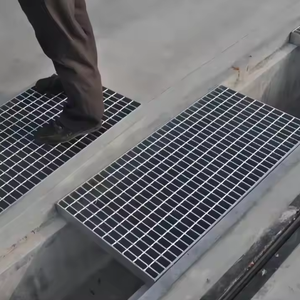
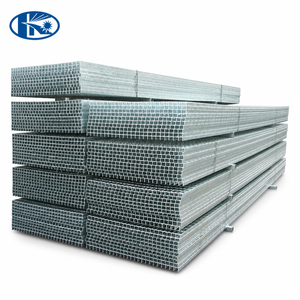
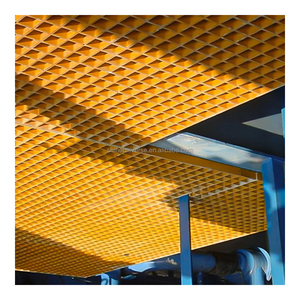
Recognizing that earthing networks integrate with industrial walkways and cable pathways, modern plants utilize PLC-controlled electroforging (>100 tonnes hydraulic force and ≈2200 A electric current) to produce heavy-duty steel gratings and trench covers engineered for sub-station earth grids.
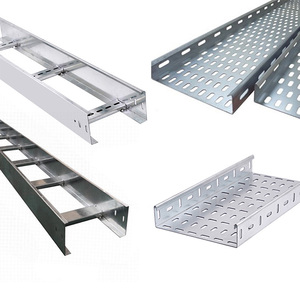
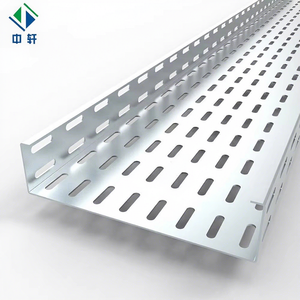
From custom length ground rods (up to 3 meters / 10 feet per rod) to specialized coupling sleeves, driving heads, and tailor-made perforated cable ladders, engineering teams fabricate custom components to exact CAD/BIM specifications.
Proactive moisture-proof shrink wrapping, heavy-duty wooden crate bundling, and anti-corrosion VCI plastic liners ensure zero surface oxidation during ocean transport across global trade routes.
Key technological shifts and market dynamics influencing international B2B purchasing decisions.
Evaluating mechanical, electrical, and commercial parameters across industrial grounding material options.
| Ground Rod Type | Material Composition | Tensile Strength | Corrosion Life | Electrical Conductivity | Best Suited Application |
|---|---|---|---|---|---|
| Copper-Bonded Steel | Low Carbon Steel Core + 99.9% Electro-plated Copper Cladding | > 600 N/mm² (High) | 40 - 50+ Years | Excellent (≈20% - 40% IACS) | Substations, Telecom Towers, Data Centers, Industrial Plants |
| Solid Copper | 100% Electrolytic Oxygen-Free Copper | ≈ 200-300 N/mm² (Low) | 50+ Years | Maximum (100% IACS) | High saline soil, heavy chemical environments (high material cost) |
| Stainless Steel (304/316) | Austenitic Stainless Steel Alloy | > 520 N/mm² (High) | 30 - 40 Years | Moderate (≈2.5% IACS) | Galvanic corrosion risk areas (near buried dissimilar metals) |
| Hot-Dip Galvanized Steel | Carbon Steel Core + Zinc Coating (≥ 85 μm) | > 400 N/mm² (Medium) | 10 - 15 Years | Moderate (≈8.5% IACS) | Temporary grounding, low-budget civil infrastructure |
| Chemical Electrolytic Rod | Copper Tube + Internal Electrolytic Mineral Salts | High Rigid Tube | 30 - 50 Years | Ultra-Low Resistance | High soil resistivity (rocky terrain, sand, desert regions) |
Direct answers to common technical queries from procurement teams, structural engineers, and importers.
Under Underwriters Laboratories standard UL 467 (and standard IEC 62561-2), copper-bonded steel ground rods must maintain a minimum copper plating thickness of 254 microns (0.254 mm or 10 mil) at any single point. This thickness ensures that when the rod is driven into harsh, abrasive soils, the copper jacket will not scrape off, maintaining corrosion protection for over 40 to 50 years.
Pointed Ground Rods feature a chamfered point at one end and a flat driving cap surface at the other; they are driven directly as single units into the ground. Threaded Ground Rods feature cold-rolled threads at both ends, allowing multiple rods to be connected sequentially via brass or bronze coupling sleeves to reach deep, low-resistivity soil strata (e.g., driving down to 10 or 20 meters).
Copper-bonded rods utilize a high-tensile carbon steel core coated in molecularly bonded copper. While pure copper provides identical corrosion protection, solid copper rods are prone to bending during deep driving into rocky soil and carry significantly higher material costs. The electro-plated bonding process creates an impermeable metallurgical seal that prevents moisture or oxygen from contacting the underlying steel core, eliminating internal rust while keeping cost efficiency high.
In electrical substations, high step and touch voltages during fault conditions present severe hazards to personnel. Electroforged galvanized steel grating platforms (often combined with subterranean ground grids) provide uniform equipotential surface drainage, robust slip resistance, structural support for heavy equipment, and safe fault current dissipation paths into the earth mesh below.
Yes. OEM/ODM factories routinely produce custom ground rod diameters (e.g., 5/8", 3/4", 1/2", 14.2mm, 17.2mm, 20mm), custom lengths, specialized earthing busbars, perforated stainless steel cable trays, and welded grating cut-outs tailored specifically to site engineering drawings provided by the buyer.
To receive a complete commercial proposal, buyers should specify: (1) Rod diameter and length; (2) Copper plating thickness (≥254μm, 300μm, etc.); (3) Threaded vs. unthreaded specification; (4) Quantity and packaging preference; (5) Required compliance certificates (UL, CE, IEC, ISO 9001); and (6) Target destination port for CIF/FOB pricing calculations.
Need engineered drawings, factory direct pricing, custom copper-bonded ground rods, or full industrial grating catalogs? Contact our technical engineering team for instant support.
Get Catalog