
Precision-engineered cast iron, electroforged steel, and FRP composite grating systems built to ISO 9001 and EN 124 standards.
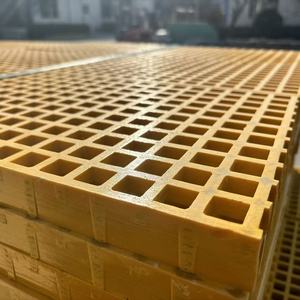
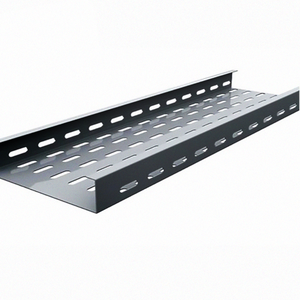
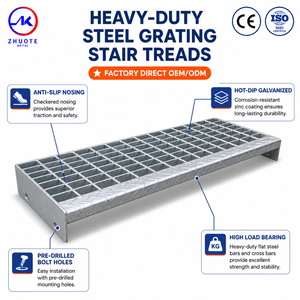
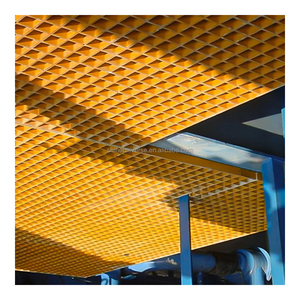
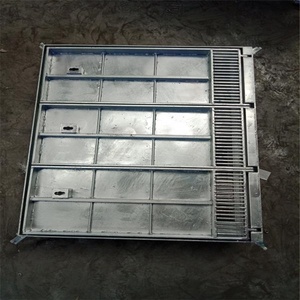
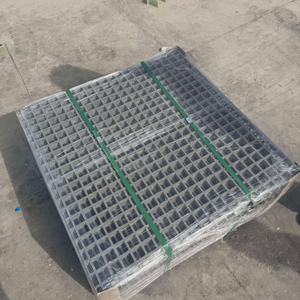
Modern civil infrastructure, petrochemical complexes, port facilities, and municipal drainage projects demand precise load-bearing capabilities and long-term corrosion resistance. When sourcing cast iron gratings, ductile iron gully covers, electroforged steel panels, and advanced composite (FRP/GRP) materials from Chinese factories, engineering procurement teams must navigate complex material specifications, load classifications, and foundry manufacturing methodologies.
China's foundry infrastructure has evolved significantly over the past decade. Transitioning from traditional green-sand manual molding to fully automated DISAMATIC sand molding lines, CNC pattern machining, and medium-frequency induction melting, top-tier Chinese manufacturers now deliver metallurgical consistency that matches or exceeds European standards (BS EN 124, DIN 19584, ASTM A536). Sourcing directly from certified Chinese wholesale factories offers substantial procurement efficiency, provided buyers establish rigid quality assurance protocols for tensile strength, elongation rates, and nodular graphite ratios.
Information Gain Insight: The shift from traditional Gray Cast Iron (GG20/GG25) to Ductile Cast Iron (QT500-7 / GGG50) has reduced grating structural weight by 30% to 40% while doubling ultimate proof-load capacity under dynamic heavy traffic conditions (E600 to F900 wheel loads).
Understanding the microstructural characteristics of cast iron is vital for civil structural engineers. Gray cast iron contains flake graphite microstructures, which act as internal stress concentrators, rendering the material brittle under impact loads. Ductile iron (Spheroidal Graphite Cast Iron), achieved through magnesium/cerium nodulizing treatment, forces graphite to coalesce into spherical nodules.
| Property Parameter | Gray Iron (HT200 / GG20) | Ductile Iron (QT500-7 / GGG50) | Ductile Iron (QT450-10 / GGG40) |
|---|---|---|---|
| Microstructure | Flake Graphite | Spheroidal Nodular Graphite (>85%) | Spheroidal Nodular Graphite (>90%) |
| Tensile Strength (MPa) | 200 Min | 500 Min | 450 Min |
| Yield Strength (MPa) | N/A (Brittle Break) | 320 Min | 310 Min |
| Elongation (%) | < 0.5% | ≥ 7% | ≥ 10% |
| Impact Resistance | Low (Shatters under dynamic loads) | High (Absorbs heavy traffic vibration) | Ultra-High (High ductility applications) |
| EN 124 Suitability | Class A15 - B125 (Pedestrian/Light) | Class C250 - F900 (Heavy Highways/Airports) | Class C250 - E600 (Industrial Docks) |
Leading Chinese wholesale grating suppliers integrate automated electroforging and precision casting processes to deliver tailor-made industrial trench covers, gully gratings, and platform walkways. Production facilities employ PLC-controlled electroforging equipment where crossbars are fused into load-bearing flat steel bars under massive hydraulic pressure and electric current.
Over 100 tonnes of hydraulic pressure combined with ~2200 A of electric current seamlessly fuse crossbars into bearing bars without filler metals, creating a joint immune to weld cracking or thermal fatigue.
Full hot-dip galvanizing per ISO 1461/ASTM A123 (zinc coating thickness > 85 μm) or high-build Bitumastic epoxy coatings ensure 50+ years of operational service life in aggressive marine and industrial environments.
Panels are customized to buyer technical drawings. Complex circular, square, or edge cut-outs around pipe penetrations are reinforced with flat-bar rim banding for seamless load distribution.
While cast ductile iron is the standard for heavy-vehicle roadway drainage, specialized industrial plants require tailored material selections:
As global infrastructure standards evolve toward decarbonization, smart cities, and enhanced operational safety, the industrial grating sector is undergoing major technical shifts:
Municipal authorities in Europe, North America, and the Middle East are increasingly mandating smart gully gratings. Modern ductile iron covers are engineered with recessed internal cavities to house IoT water-level sensors, tilt sensors (anti-theft detection), and flow velocity meters. Chinese foundries are co-designing cast iron frames pre-molded with sensor mounts and radio-frequency transparent polymer inserts.
Environmental regulations are restructuring Chinese foundry operations. Leading suppliers utilize 100% scrap metal recycled through high-efficiency Electric Induction Furnaces powered by renewable energy grids. Closed-loop sand recycling systems now reclaim >95% of furan and green sand, drastically lowering the embodied carbon footprint of exported iron castings.
Urban noise pollution caused by loose trench covers rattling under vehicle tires has driven the adoption of precision-machined seating faces fitted with synthetic EPDM or neoprene rubber gaskets. Integrated stainless steel hinge pins and spring-locking mechanisms prevent unauthorized removal and scrap theft while ensuring one-person maintenance access.
Selecting the correct grating load classification prevents catastrophic structural failure. The table below details global engineering application classes:
| Class | Test Load (kN) | Primary Application Area | Recommended Material |
|---|---|---|---|
| A 15 | 15 kN (1.5 Tons) | Pedestrian zones, cycle paths, green belts, residential gardens | Gray Iron / Lightweight Composite FRP |
| B 125 | 125 kN (12.5 Tons) | Sidewalks, car parking decks, light vehicle driveways | Ductile Iron QT450-10 / Electroforged MS |
| C 250 | 250 kN (25 Tons) | Curbside channels of roads, highway shoulders, parking lots | Ductile Iron QT500-7 / Heavy Steel Grating |
| D 400 | 400 kN (40 Tons) | Carriageways of city roads, arterial highways, industrial parks | Ductile Iron QT500-7 / Heavy Duty Welded |
| E 600 | 600 kN (60 Tons) | High axle-load industrial zones, forklift docks, freight terminals | Ductile Iron QT500-7 Heavy Structural Frame |
| F 900 | 900 kN (90 Tons) | Airport taxiways, military bases, container ports, docksides | Specially Formulated High-Spec Ductile Iron |
With decades of specialized manufacturing and export experience, our manufacturing base bridges Chinese industrial capacity with strict international engineering compliance:
Ductile iron contains nodular spheroidal graphite microstructures created via magnesium treatment, granting the metal high yield strength (≥320 MPa) and elongation capacity (≥7%). Gray iron contains graphite flakes, making it brittle and prone to cracking under dynamic vehicle impacts. Ductile iron allows for significantly higher load ratings (up to EN124 F900) at lower structural weights.
PLC-controlled electroforging applies over 100 tonnes of hydraulic pressure simultaneously with ~2200 A of electrical current to melt and embed square twisted crossbars into bearing bars. This creates a homogeneous joint with zero internal voids or micro-cracks without filler metal. Manual welding is fabricated panel-by-panel, suitable for low-volume custom shapes, but lacks the uniform joint strength of electroforged panels.
For steel gratings, Hot-Dip Galvanizing per ISO 1461 / ASTM A123 (yielding a zinc coating thickness exceeding 85 μm) is recommended. For cast iron, high-build Bitumastic epoxy paint or cold-applied coal tar epoxy provides excellent salt-spray barrier protection. In extreme acid/alkali environments, switching to molded FRP vinyl ester resin grating is optimal.
Yes. We specialize in OEM engineering manufacturing. Buyers can submit CAD, SolidWorks, or PDF structural layouts. We incorporate circular penetrations, square pipe notches, toe plates, and perimeter banding. Every panel is tagged with layout numbers matching project site installation plans.
To receive an accurate quote, please provide: 1) Material Grade (e.g., Ductile Iron QT500-7, Mild Steel Q235, Stainless 316), 2) Bearing Bar Dimensions & Pitch, 3) Overall Panel Dimensions & Quantities, 4) Surface Treatment Required, 5) Design Load / EN124 Class rating, and 6) Destination Port for CIF quotation.
Connect directly with our senior metallurgical and structural engineering team. We review project blueprints, provide load calculations, and offer competitive factory-direct wholesale pricing.