
Explore our export-grade line-up engineered for civil infrastructure, heavy logistics, chemical processing, and architectural applications worldwide.
A Data-Driven Technical Evaluation Framework for Procurement Officers, Civil Engineers, and EPC Contractors
In modern civil engineering and industrial facility development, surface stormwater management is no longer a secondary consideration. The selection of high-performance trench drainage systems directly influences structural safety, operational uptime, and environmental compliance. When sourcing from global manufacturers, discerning procurement teams evaluate suppliers based on structural metallurgy, precise hydraulic discharge rates, compliance with international standards such as EN 1433, ASTM A36, and AS 3996, and long-term corrosion resistance.
As international supply chains evolve, identifying top-tier channel drain grate exporters requires analyzing technical capabilities rather than superficial product catalogs. Premier exporters distinguish themselves through advanced PLC-controlled manufacturing, rigorous quality control, custom drawing fabrication, and seamless export logistics handling.
Global infrastructure engineering demands absolute reliability under extreme dynamic and static loads. Leading exporters are audited across six core operational parameters:
Utilization of certified structural carbon steels (ASTM A36, S235JR), premium stainless steel alloys (AISI 304, 316, 309), and ductile iron (EN-GJS-500-7) free of internal voids or micro-cracks.
Deployment of fully automated PLC machines applying over 100 tonnes of hydraulic pressure combined with 2200A electric current to fuse bearing and cross bars into a monolithic grid without filler metal.
Adherence to ISO 1461 and ASTM A123 coating protocols, achieving zinc layer thicknesses exceeds 85 microns for multi-decade rust protection in aggressive marine or industrial environments.
Selecting the correct channel drain grate requires matching localized wheel impact pressures with international load rating classifications. The table below outlines standard design criteria according to standard EN 1433 guidelines:
| Load Class | Test Load (kN) | Primary Construction Material | Typical Infrastructure Application |
|---|---|---|---|
| Class A15 | 15 kN (1.5 Tons) | Composite FRP / Light Galvanized Steel | Pedestrian zones, residential gardens, cycle paths |
| Class B125 | 125 kN (12.5 Tons) | Pressed Steel / Ductile Iron | Sidewalks, car parking decks, light commercial yards |
| Class C250 | 250 kN (25 Tons) | Electroforged Steel / Heavy FRP | Highway shoulders, curb sides, industrial service bays |
| Class D400 | 400 kN (40 Tons) | Electroforged Bar Grating / Ductile Iron | Main carriageways, logistics distribution centers, gas stations |
| Class E600 | 600 kN (60 Tons) | Heavy-Duty Welded Bar Grating | Heavy industrial plants, forklift operating areas, loading docks |
| Class F900 | 900 kN (90 Tons) | Specialized Heavy Steel Gratings | Airport runways, container ports, military vehicle zones |
When specifying surface drainage and industrial flooring, engineering teams must evaluate environmental chemical exposure, thermal range, weight limitations, and lifetime maintenance costs.
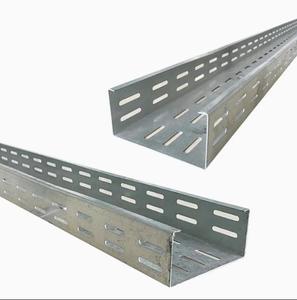
As a specialized manufacturer and exporter of industrial gratings, flooring systems, and cable management trays, Omkar Gratings Pvt Ltd (Omkareshwar Engineering) delivers custom-engineered products manufactured directly to client drawings.
The global surface drainage market is experiencing rapid technological evolution driven by sustainability, smart infrastructure, and strict safety mandates:
Modern architectural and municipal drainage projects prioritize linear slot grates that combine high hydraulic intake capacity with anti-clogging profiles. Heel-proof bar spacing (slots narrower than 6mm to 10mm) ensures pedestrian safety in high-foot-traffic urban plazas while maintaining rapid surface water evacuation.
International procurement departments are increasingly scrutinizing the embedded carbon footprint of building materials. Exporters implementing electric arc furnace (EAF) steelmaking alongside energy-efficient hot-dip galvanizing lines gain a distinct competitive edge in green building certifications (LEED, BREEAM).
Leading exporters now supply parametric 3D BIM (Building Information Modeling) CAD blocks, enabling civil engineers to seamlessly incorporate precise channel grate dimensions, hydraulics, and weight metrics into digital twin models prior to procurement.
Connect directly with our senior engineering team for load calculations, custom drawing reviews, or immediate export pricing for your infrastructure projects.
Contact UsElectroforged gratings are manufactured using automated PLC machinery that simultaneously applies over 100 tonnes of hydraulic pressure and approximately 2200 Amperes of electrical current to fuse square twisted cross bars seamlessly into bearing bars. This creates a homogeneous, weld-crack-free joint without adding filler metal. Hand-welded gratings are manually arc-welded, which is ideal for low-volume custom cut-outs, irregular shapes, and specialized framing.
AISI 304 stainless steel is ideal for standard architectural, commercial kitchen, and general industrial applications exposed to washdown environments. AISI 316 contains 2-3% molybdenum, offering superior resistance to pitting and crevice corrosion caused by chlorides, sea salt, and aggressive industrial chemicals. For marine docks, desalination plants, and chemical processing channels, AISI 316 or 316L is strongly recommended.
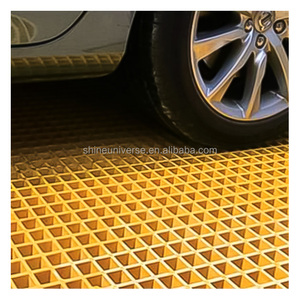
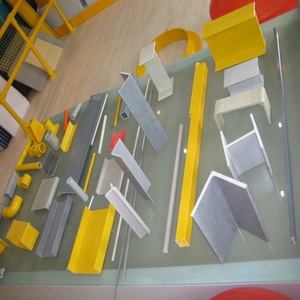
FRP/GRP grating is preferred in highly corrosive chemical environments (acid pickling lines, wastewater treatment basins), electrically sensitive zones (substations), and weight-restricted installations. FRP weighs significantly less than steel, reducing shipping freight costs and enabling installation with basic hand tools without hot-work permits.
Yes. Custom fabricated panels can be manufactured with round, square, or angled cut-outs according to client structural drawings. Every cut-out is reinforced with flat bar banding welded along the cut edge to ensure full structural load distribution and complete pedestrian safety.
To receive an accurate technical quotation, buyers should provide: (1) Material grade (e.g., Mild Steel ASTM A36, SS304, SS316, FRP); (2) Bearing bar dimensions and pitch; (3) Cross bar pitch; (4) Surface finish (Hot-Dip Galvanized, Electro-polished, Plain); (5) Load class or wheel traffic requirements; (6) Detailed CAD/PDF drawings for cut-outs; and (7) Total quantity and target destination port.
Export gratings are tightly bundled using heavy-duty steel strapping, corner protectors, and timber skids designed for forklift handling. Gratings undergo protective wrapping or plastic shrink-sleeving, and steel components are coated or interlayered to prevent surface oxidation or zinc storage stain (white rust) inside shipping containers.
Deliver your project on time and within specification. Contact our technical engineering department today for custom design consultations, load capacity calculations, and factory-direct export quotes.
Contact Us