
Explore high-performance FRP composite walkway panels, stainless steel gratings, and cable containment systems built for heavy industrial environments.
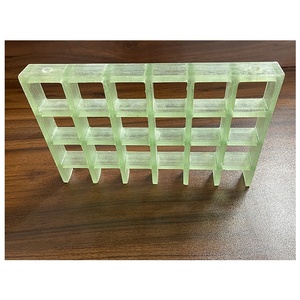
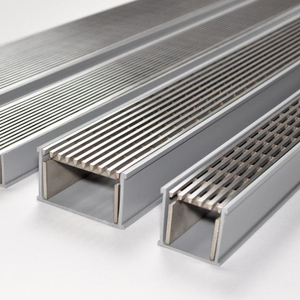
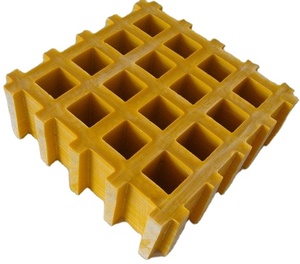
Industrial flooring infrastructure is undergoing a decisive paradigm shift. For decades, electroforged hot-dip galvanized carbon steel and welded stainless steel gratings dominated heavy industrial platforms, chemical processing plants, offshore oil rigs, and municipal infrastructure. However, the relentless cost of corrosion maintenance, occupational safety risks from slippery surfaces, and the structural weight overhead of traditional metals have accelerated global adoption of Fiberglass Reinforced Polymer (FRP) walkway gratings—also designated as GRP (Glass-Reinforced Plastic) gratings.
This comprehensive whitepaper provides EPC contractors, structural design engineers, plant maintenance managers, and procurement officers with an authoritative blueprint for evaluating, sourcing, and implementing fiberglass walkway grating systems. By analyzing technical parameters, resin chemistry, manufacturing processes, and global export benchmarks, this guide establishes clear criteria for identifying the world’s top 10 fiberglass walkway grating factories and exporting partners.
Procuring composite gratings on an international scale involves significantly more than unit price evaluation. Top-tier manufacturers distinguish themselves through rigorous resin formulation control, automated pultrusion and precision moulding machinery, stringent quality assurance standards, and custom structural fabrication capabilities. When vetting the top 10 global suppliers, engineering procurement teams must audit candidates against six primary technical competencies:
Factory verification of resin purity (Orthophthalic, Isophthalic, Vinyl Ester, or Phenolic) with zero unapproved filler dilution, ensuring certified chemical and fire resistance.
High-density continuous E-glass roving layers (65-70% glass content in pultruded gratings) guaranteeing high flexural modulus and impact elasticity.
Utilization of hydraulic moulding presses exceeding 100 tonnes of clamp force to eliminate interior voids, air pockets, and structural delamination risks.
Full compliance certification including ISO 9001, ASTM E84 Class 1 fire rating (flame spread index < 25), ABS offshore approvals, and EN 13706 flexural ratings.
In-house capability to cut complex circular, square, and pipe penetration profiles, accompanied by structural edge sealing and flat bar perimeter banding.
Containerized bundling with heavy-duty ocean freight packaging, panel-by-panel installation marking according to engineering layout drawings.
To understand why world-class industrial projects are retrofitting metal walkways with fiberglass alternatives, engineers must examine mechanical properties across operating environments. Below is a comparative engineering baseline matrix:
| Performance Metric | Molded FRP Grating | Pultruded FRP Grating | Hot-Dip Galvanized Steel | 316 Stainless Steel |
|---|---|---|---|---|
| Strength-to-Weight Ratio | High (Lightweight) | Ultra-High | Moderate (Heavy) | Moderate (Heavy) |
| Corrosion Resistance | Immune to Rust / Acids | Immune to Rust / Acids | Prone to Galvanic Corrosion | High (Susceptible to Chlorides) |
| Electrical & Thermal Conductivity | Non-Conductive (Insulator) | Non-Conductive (Insulator) | Highly Conductive | Highly Conductive |
| Installation Cost & Weight | Low (No Heavy Crane Needed) | Low (Easy Field Cutting) | High (Heavy Rigging Required) | Very High (Special Welding) |
| Fire Retardancy & Heat Resistance | Class 1 ASTM E84 Available | Class 1 ASTM E84 Available | Non-Combustible (Warps >600°C) | High Temperature Resistant |
| Expected Service Life (Corrosive Environment) | 20–25+ Years | 25+ Years | 5–10 Years | 12–15 Years |
When specifying fiberglass walkway grating, selecting between Molded and Pultruded manufacturing methodologies is critical to optimizing load performance and budget efficiency.
Molded fiberglass grating is manufactured in heated open-mould systems. Continuous E-glass fiber rovings are placed in alternating square mesh layers while saturated with liquid thermosetting resin. This process creates a single-piece, monolithic panel offering superior bi-directional strength. Molded grating is the optimal choice for walkways requiring cut-outs for vertical pipe runs, columns, or irregular plant equipment, as cut edges do not compromise the overall structural integrity of adjacent square mesh cells.
Pultruded fiberglass grating is engineered using an automated continuous pulling process. Glass rovings and surface veils are pulled through resin baths and heated steel shaping dies to form high-strength structural profiles (I-bars, T-bars, and cross-rods). These individual profiles are then mechanically assembled and bonded into rigid walkway panels. Containing up to 70% glass fiber, pultruded gratings exhibit a significantly higher flexural modulus than molded gratings, allowing for much wider support spans with minimal deflection under heavy pedestrian or light vehicle traffic.
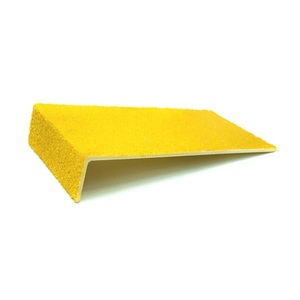
Industrial slipping accidents account for over 30% of platform injuries. Premium fiberglass walkway gratings integrate embedded quartz grit surfaces during the curing cycle—fusing the abrasive grit permanently into the resin matrix. For staircases and elevated catwalk treads, choosing factory-installed high-visibility GRP stair tread nosing (often featuring contrasting yellow or white safety borders) provides structural reinforcement at the leading edge while ensuring maximum slip resistance under wet, oily, or icy conditions.
The global composite manufacturing sector is evolving rapidly. Forward-thinking procurement officers are focusing on four macro trends driving the next generation of fiberglass walkway grating procurement:
While Isophthalic Polyester and Vinyl Ester resins remain industry workhorses, Phenolic FRP gratings are gaining rapid market share in offshore oil platforms, FPSOs, and enclosed tunnels. Phenolic resins offer exceptionally low smoke emission and superior toxic gas resistance during combustion, meeting stringent USCG (United States Coast Guard) Structural Fire Integrity Level 1 standards.
Modern advanced factories are combining composite manufacturing with digital automated machinery. Where extreme hybrid strength is needed, multi-material industrial platforms integrate automated PLC-controlled steel electroforging (using over 100 tonnes of hydraulic pressure and 2200A electric fusion current) alongside structural FRP sub-framing to deliver specialized load capabilities.
Global EPC contracts increasingly require Environmental Product Declarations (EPDs). Leading composite exporters are investing in bio-based polyurethane resins derived from renewable resources and developing chemical recycling loops to process post-industrial composite cut-offs back into structural fillers.
The integration of fiber-optic Bragg grating sensors directly into pultruded fiberglass walkway profiles allows real-time strain, deflection, and structural vibration monitoring across large-scale chemical infrastructure projects, transforming static walkways into smart predictive maintenance assets.
Partnering with a globally qualified manufacturer guarantees that your composite infrastructure meets strict structural safety and international export benchmarks. Our integrated manufacturing ecosystem combines comprehensive composite pultrusion lines, heavy molded presses, and full custom metallic and non-metallic grating production under unified ISO 9001 quality management systems.
Whether your project demands translucent GRP decorative panels, heavy-duty pultruded industrial walkway sheets, phenolic offshore gratings, or specialized stainless steel and cable management accessories, our engineering team provides end-to-end support—from initial CAD layout drafting and structural load calculations to export-worthy ocean shipping preparation.