Explore our ISO9001-certified range of perforated metal flooring, electroforged steel grating, molded FRP decks, and cable management solutions fabricated for high-load and corrosive applications.

As China's leading perforated metal flooring and industrial steel grating manufacturer, our facilities integrate computer-controlled automated perforating presses, PLC electroforging lines, and high-capacity hot-dip galvanizing plants.
Modern industrial operations require flooring solutions engineered for extreme mechanical stress, chemical resistance, and non-slip safety. Our engineered perforated metal flooring panels and bar gratings undergo rigorous stress analysis and finite element modeling (FEM) to guarantee dynamic load distribution.

Compare mechanical profiles, open area percentages, slip resistance ratings, and target industrial environments to specify the optimal floor deck for your project.
| Flooring Deck Type | Material Options | Open Area % Range | Anti-Slip Class | Typical Load Rating | Best Suited Application |
|---|---|---|---|---|---|
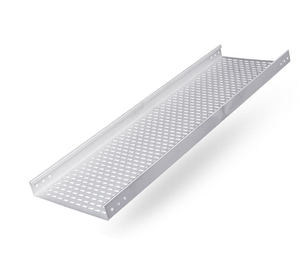
| Perforated Metal Flooring | Stainless 304/316, Carbon Steel, Aluminum | 15% – 50% Custom | DIN 51130 R11 – R13 | Pedestrian to Medium Vehicle | Cleanrooms, Walkways, Architectural Facades, Food Processing |
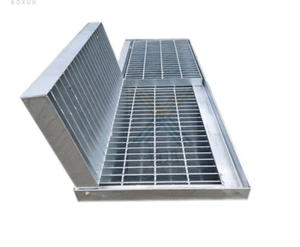
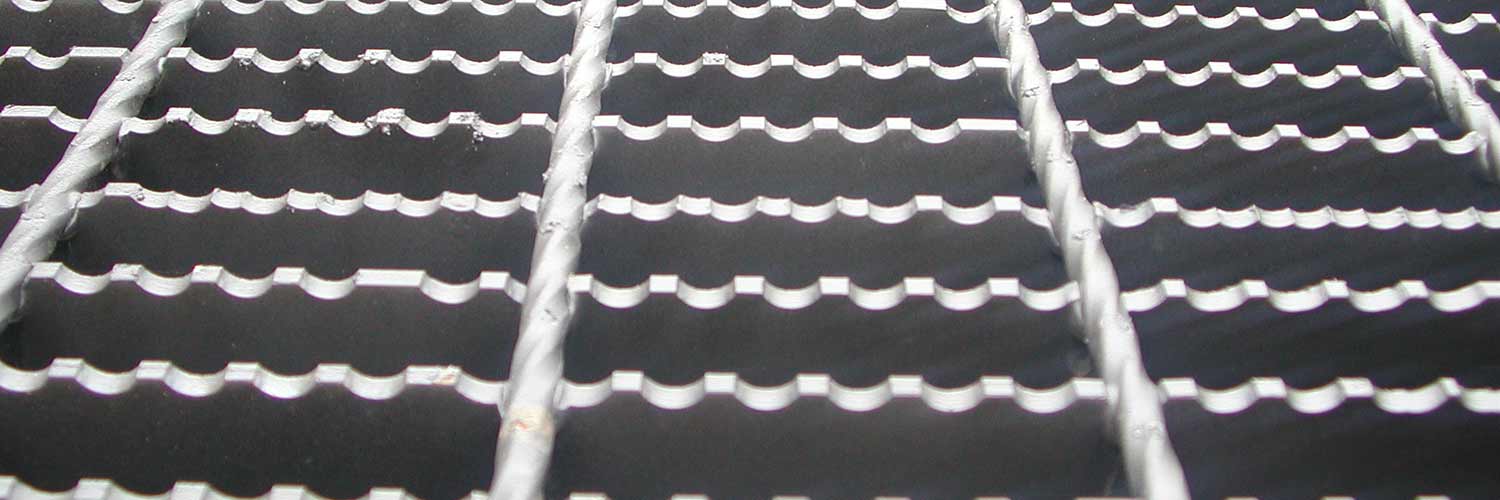
| Electroforged Steel Grating | Mild Steel Q235, Low Alloy Steel | 65% – 82% High Open Area | DIN 51130 R10 – R12 | Heavy Industrial / H-20 Truck | Refineries, Power Plants, Heavy Machine Platforms, Boiler Decks |
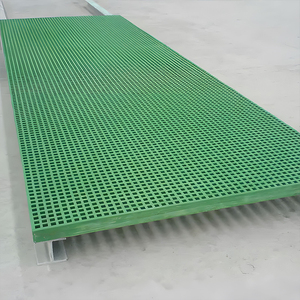
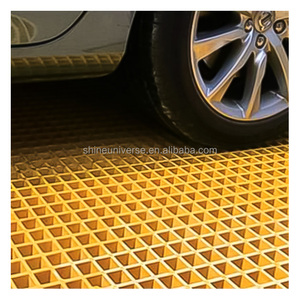
| Molded FRP / GFRP Grating | Glass Fiber Reinforced Polymer Resin | 40% – 68% Open Grid | Grit Top R13 Ultra-Safe | Chemical Resistant Load | Chemical Dosing Plants, Wastewater Treatment, Marine Platforms |
| Heavy Duty Welded Grating | Heavy Carbon Steel, Alloy Steel | 60% – 75% Open Area | Plain or Serrated Surface | U-20 Aircraft / Freight Docks | Airports, Seaport Terminals, Trench Gutter Covers |
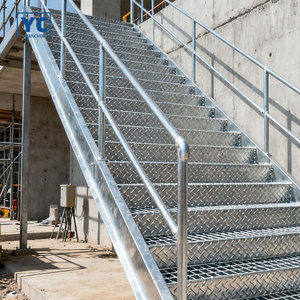
| Chequered Steel Plate Deck | Hot-Rolled Carbon Steel, SS304 | 0% (Solid Deck) | Diamond / Raised Pattern | Solid Deck Load Transfer | Containment Decks, Trench Covers, Structural Mezzanines |
Analysis of international industrial purchasing shifts, material lifecycle economics, environmental standards, and digital BIM integration for metal flooring procurement.
Global procurement teams are shifting away from heavy standard mild steel toward high-strength low-alloy (HSLA) steel grades and high-grade duplex stainless steel (such as 2205). Utilizing advanced punching and laser perforation, these lightweight alloys reduce static structural weight by up to 28% without sacrificing yield strength ($\sigma_y$), drastically reducing ocean freight costs and site crane requirements during installation.
ESG procurement mandates across Europe, North America, and Australia now demand verified low-carbon steel production. Premium Chinese manufacturers are implementing closed-loop acid recovery systems, zinc bath energy recovery, and green electric furnace smelting to provide carbon footprint documentation (EPDs) alongside standard mill test certificates (MTC ISO 10204 3.1).
The modern EPC procurement workflow relies heavily on 3D Building Information Modeling (BIM). Rather than receiving standard rectangular sheets, direct manufacturing suppliers are expected to deliver fully pre-cut, CNC-profiled, edge-banded perforated metal flooring panels mapped directly to 3D site drawings. Each panel is factory-stamped with unique identification codes for immediate drop-in site placement.
Safety regulations across commercial, municipal, and multi-use industrial infrastructure dictate stricter opening dimensions. Heel-safe perforated flooring (with circular or slotted perforations smaller than 0.5 inches / 12.7 mm) is rapidly becoming mandatory for public walkways, transit hubs, and elevated pedestrian decks to prevent tripping hazards while maintaining adequate airflow and light transmission.
From automated optical inspection to multi-pattern embossing, discover how modern manufacturing technology delivers unprecedented dimensional stability and slip resistance.
Integrating automated coil-fed high-speed presses capable of 500 strokes per minute ensures zero cumulative margin pitch error across large 6-meter panel runs. This eliminates panel bowing, oil-canning, and edge distortion common in legacy punching machines.
Modern perforated flooring utilizes raised-flange hole designs (such as dimpled, traction button, or slotted serrated patterns) that offer simultaneous self-draining capability and aggressive multi-directional slip resistance rated up to R13 standards.
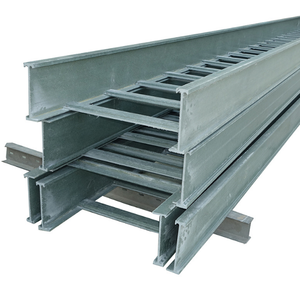
Combining pultruded structural fiberglass sub-frames with electro-polished perforated stainless steel surface sheets offers ultra-lightweight performance for offshore oil rigs and coastal desalination plants where weight and severe corrosion interact.
Detailed technical answers to common questions regarding structural load calculations, hot-dip galvanizing, custom cut-outs, and international shipping standards.
Electroforged steel grating consists of open bearing bars fused with twisted cross bars via hydraulic pressure (>100t) and electric current (~2200A), delivering maximum open airflow (up to 80%) and high point-load capacity. Perforated metal flooring is formed by punching precise hole arrays into solid sheet metal (steel, stainless, or aluminum), offering superior heel-safety, small item drop prevention, anti-slip dimpling, and architectural aesthetics while maintaining targeted drainage.
Select AISI 304 for standard industrial indoor platforms, food processing facilities, and general architectural walkways. Specify AISI 316 / 316L for environments exposed to severe chlorides, marine atmospheres, offshore platforms, or aggressive chemical processing. For elevated-temperature industrial zones (e.g., thermal power plants), AISI 309 or 310S is recommended for high-temperature oxidation resistance.
Our CNC fiber lasers cut precise round, square, or irregular cut-outs to allow pipes, structural columns, and equipment penetrations to pass through cleanly. Every cut-out edge is reinforced with welded flat bar (kick plates/toe plates) to maintain structural integrity across the panel and meet international OSHA/EN safety standards.
FRP (Fiberglass Reinforced Plastic) is preferred in highly corrosive chemical dosing rooms, acidic wastewater channels, salt-spray marine decks, and electrically hazardous environments requiring non-conductive, spark-proof flooring. FRP panels weigh significantly less than steel, reducing ocean freight costs and enabling manual installation without heavy lifting equipment.
To provide an immediate technical quote, please provide: (1) Material grade & thickness, (2) Perforation hole diameter & pitch pattern or bearing bar dimension, (3) Panel length & width dimensions, (4) Surface treatment requirement (Hot-Dip Galvanizing to ASTM A123, Electro-Polishing, Mill Finish, or Powder Coating), (5) Design load requirement (Pedestrian span load vs dynamic vehicular traffic), and (6) Target destination port.
All metal flooring panels are bundled securely with high-tensile steel strapping, interlaid with protective cardboard corner guards, wrapped in waterproof VCI anti-corrosion stretch film, and mounted on heavy-duty steel or fumigated ISPM-15 wooden pallets equipped with top protection covers for safe containerized ocean transport.
From raw material spectral analysis to final load deflection testing, we maintain complete internal quality control compliant with international standards.
We work directly with industrial project owners, structural engineering consultants, steel fabricators, and international procurement offices to deliver verified metal flooring systems engineered exactly to drawing.
Send your structural CAD drawings, material requirements, perforation specs, or load requirements directly to our senior engineering sales department for a detailed proposal within 24 hours.