Industrial Traction Tread Flooring: Technical Architecture & Market Leadership
In modern industrial facility design, commercial infrastructure, and specialized transit environments, anti-slip reliability is not merely a operational preference—it is a mandatory structural safety compliance standard. As the global industrial sector prioritizes occupational health and safety (OHSA), China's leading traction tread flooring manufacturers have transitioned from traditional basic grating fabrication to state-of-the-art precision engineering. Utilizing PLC-controlled hydraulic forging, automated laser dimple-perforation, high-grade EPDM vulcanization, and advanced electro-polishing finishes, Chinese suppliers stand at the forefront of high-coefficient-of-friction (COF) surface solutions.
Traction tread flooring encompasses a sophisticated array of products, ranging from perforated sheet metal planks featuring button-embossed dimples and expanded diamond meshes to heavy-duty rubber stud matting and high-impact sports tracks. Designed to minimize slip-and-fall incidents in oily, wet, icy, or debris-laden environments, these systems deliver structural integrity across severe load-bearing spans while providing low maintenance and exceptional resistance to environmental corrosion.
100+ Tons
Hydraulic Pressure / Joint
R10 - R13
DIN 51130 Slip Rating
AISI 316L
Marine Grade Steel Alloys
≈2200 A
PLC Electro-Fusion Current
Featured China Traction Tread & Safety Flooring Product Lineup
Explore our benchmark industrial flooring, stair treads, and protective matting engineered for optimal grip and structural load transfer.
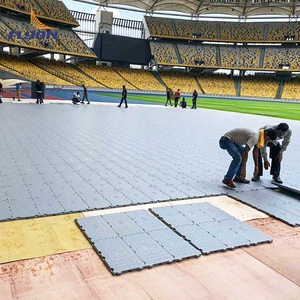
Engineered high-density composite interlocking panels designed for temporary heavy vehicle access, event venue turf protection, and modular car decking with high shear resistance.
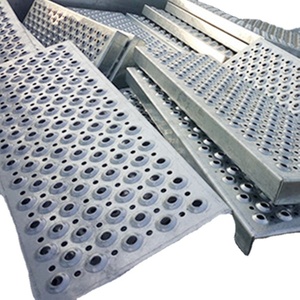
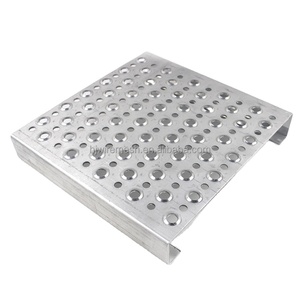
Heavy-gauge perforated steel walkway planking incorporating raised dimples and drain holes to deliver multidirectional traction under severe oil and fluid contamination.
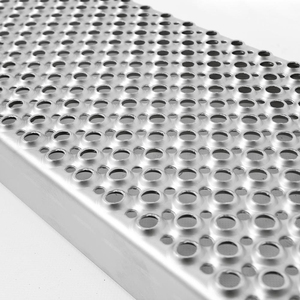
Lightweight, corrosion-resistant 0.125-inch 5052-H32 aluminum safety planks featuring matrix surface perforations ideal for architectural catwalks and marine vessels.
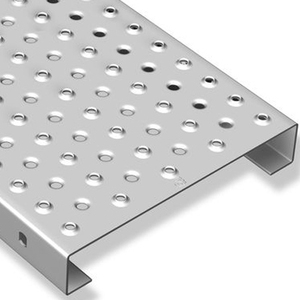
Cold-formed carbon steel perforated sheet planking providing high torsional rigidity, uniform load distribution, and self-cleaning debris discharge openings.
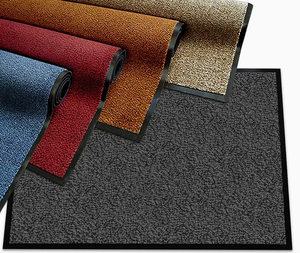
Commercial-grade polyester ribbed stair treads equipped with high-visibility photoluminescent safety strips for enhanced low-light corridor and staircase transit.
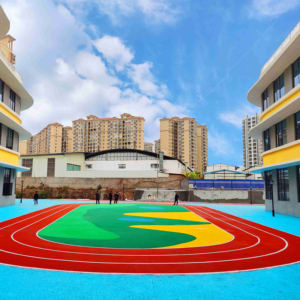
Polyurethane-bound synthetic EPDM elastomer rubber surfacing formulated for multi-weather traction, athletic shock absorption, and intense UV exposure stability.
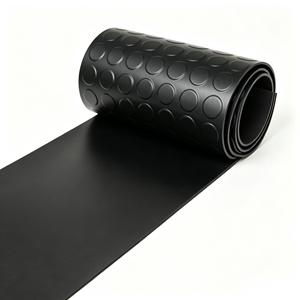
Heavy industrial 65 Shore A vulcanized coin-dot rubber roll flooring offering chemical resilience, anti-fatigue backing, and exceptional dry/wet surface friction.
Heavy-duty serrated diamond-cut "crocodile mouth" safety treads offering extreme slip prevention in heavy ice, grease, mud, and industrial wash-down operations.
Why Source Traction Tread Flooring from Tier-1 China Manufacturers?
Evaluating high-volume metal fabrication and specialized industrial polymer suppliers requires strict technical diligence. Top-tier Chinese manufacturers operate advanced metallurgical facilities equipped with high-tonnage PLC press brakes, automatic pressure welding lines, and rigorous internal testing laboratories that ensure full compliance with international standards such as ASTM A123, ISO 9001:2015, DIN 51130, and OSHA 1910.28.
PLC Electroforging & Integrity
Cross bars and bearing bars are fused under 100+ tons of hydraulic force combined with ~2200 Amps of electrical current, producing seamless, crack-free joints without structural weak points.
Advanced Alloy Diversity
Supplying structural carbon steel (Q235B/A36), marine-grade stainless steel (AISI 304/316L), architectural aluminum (5052-H32/6061-T6), and high-durability EPDM/NR polymers tailored to site conditions.
Custom Fabrication to CAD/BIM
Complete OEM/ODM support including complex cutouts, pipe clearance penetrations, perimeter toe-plate welding, and factory panel numbering for efficient field assembly.
Electro-Polishing & Galvanizing
In-house hot-dip galvanizing baths achieving >610 g/m² zinc coverage alongside acid-wash electro-polishing for smooth, hygienic stainless steel applications.
Export Packaging & Logistics
Heavy-duty steel strapping, waterproof plastic film wrap, heat-treated wooden pallets, and optimized container stuffing plans ensuring damage-free international ocean transit.
Certified Load & Slip Testing
Every production batch undergoes dynamic deflection load testing, ultimate yield stress evaluation, and standardized pendulum slip-resistance verification.
Technical Comparison Matrix: Industrial Traction Flooring Systems
Selecting the correct safety flooring specification depends directly on structural clear spans, target static/dynamic loads, ambient chemical exposure, and operational drainage needs. The matrix below provides engineering benchmarks across primary China-manufactured profiles:
| Profile / Pattern Type |
Primary Material Grades |
Slip Resistance Rating |
Load Capacity Range |
Typical Industrial Applications |
| Dimple Perforated Planks |
Carbon Steel, SS304, Al 5052 |
DIN 51130 R11 / OSHA Compliant |
Pedestrian to Medium Vehicle |
Refinery Catwalks, Conveyor Maintenance Walkways |
| Crocodile Mouth Serrated |
Carbon Steel, Aluminum 6061 |
DIN 51130 R13 (Ultra-High) |
Heavy Pedestrian, High Impact |
Offshore Rigs, Ice & Snow Stairs, Mining Plants |
| Electroforged Bar Grating |
Q235B Mild Steel, SS316L |
R10 (Plain) / R12 (Serrated) |
Heavy Commercial to Aircraft Hangar |
Power Station Flooring, Trench Drain Covers |
| Raised Stud Dot Rubber |
SBR / NBR / EPDM Compound |
SCOF > 0.85 (Wet/Dry) |
Impact Absorption & Anti-Fatigue |
Factory Assembly Lines, Transit Stations, Gyms |
| EPDM Sports Surfacing |
Virgin EPDM + PU Binder |
EN 14877 / IAAF Standard |
Athletic Impact Resilience |
Outdoor Running Tracks, Multi-Sport Facilities |
Future Procurement Trends in Industrial Traction Tread Flooring
As industrial operators navigate sustainability mandates and automation demands, global procurement strategies for traction tread flooring are evolving rapidly. Key technological and sourcing shifts include:
1. High-Strength Lightweight Alloys & Hybrid Composites: Plant engineers are increasingly replacing carbon steel with high-strength 5000 and 6000-series aluminum alloys as well as structural Pultruded Fiberglass (FRP). These materials dramatically lower overall dead load on structural steel frames while eliminating lifetime galvanizing maintenance in corrosive marine or chemical processing environments.
2. Automated Laser Micro-Perforation: Leading Chinese manufacturers are investing heavily in multi-kW fiber laser cutting lines capable of generating custom hole geometries and continuous variable-height dimple matrices. This allows engineered variable friction zones across single walkway planks depending on high-risk splash zones.
3. Recycled Elastomers & Bio-Based Polyurethane: Environmental, Social, and Governance (ESG) criteria are driving the rubber and EPDM flooring sectors. Procurement teams now require verified Lifecycle Assessment (LCA) documentation, pushing manufacturers toward incorporating post-consumer recycled rubber (CRumb) bound with eco-friendly VOC-free polyurethane matrices.
4. Digital BIM (Building Information Modeling) Integration: Modern B2B procurement requires seamless digital integration. Suppliers now provide direct IFC and Revit 3D structural panel models, allowing EPC contractors to perform automated clash detection prior to mill fabrication and international shipping.
Frequently Asked Questions (FAQ) for B2B Buyers
Technical clarifications regarding specifications, custom fabrication, quality assurance, and international delivery.
How do dimple perforated tread planks compare to traditional bar gratings?
Dimple perforated planks (Traction Tread) feature a continuous metal surface with embossed buttons and drain holes. They prevent small objects, tools, and liquids from dropping to lower levels while offering high surface contact for comfortable walking. Bar gratings provide open area for ventilation and maximum light passage, making them preferable for multi-story outdoor structures where air permeability is paramount.
What surface finish should I specify for outdoor corrosive environment installation?
For outdoor carbon steel installations, Hot-Dip Galvanizing in accordance with ASTM A123 / ISO 1461 is the industry benchmark, providing 50+ years of maintenance-free cathodic protection. For highly acidic or offshore marine exposure, specifying passivated and electro-polished AISI 316L Stainless Steel or 5052-H32 Aluminum is strongly recommended.
Can Chinese manufacturers produce custom panel cutouts based on site drawings?
Yes. OEM suppliers regularly fabricate custom panels according to detailed CAD, TEKLA, or BIM shop drawings. Perimeter toe-plates (kick plates), pipe cutouts, notched corners, and angled stair nosings are fully welded, edge-banded, and surface-finished at the factory prior to shipment.
What testing documentation is provided with an export order?
Standard export quality documentation includes Material Test Certificates (MTC compliant with EN 10204 3.1), Hot-Dip Galvanizing Thickness Test Reports, Yield and Load Deflection Test Data, and DIN 51130 Slip Resistance Calibration Certificates.
What is the typical lead time and minimum order quantity (MOQ) for custom sizes?
Standard production lead times range between 15 to 25 days depending on tonnage and coating requirements. While standard profiles carry low MOQ requirements (often 100-200 sq. meters), fully customized press-to-drawing orders are optimized for full container load (FCL) packing to reduce ocean freight expense.
Require Engineering Assistance or Custom Quotations?
Connect directly with our senior technical sales team to review shop drawings, request material samples, or receive factory-direct pricing for your upcoming industrial project.