
Our electroforged, hot-dip galvanized, and composite solutions are certified to protect mission-critical electrical installations across high-vibration and corrosive operational environments.
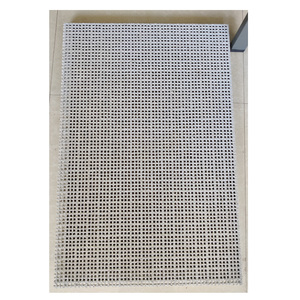
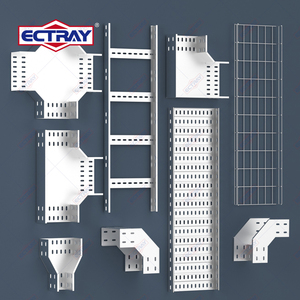
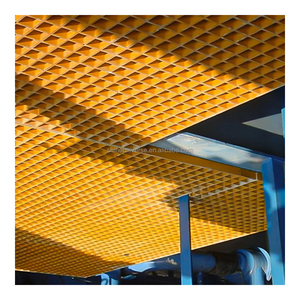
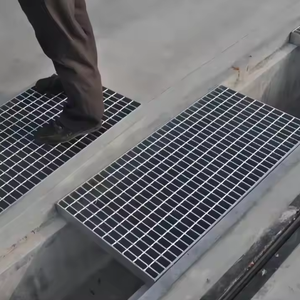
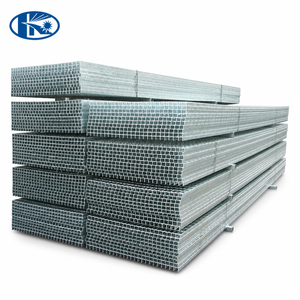
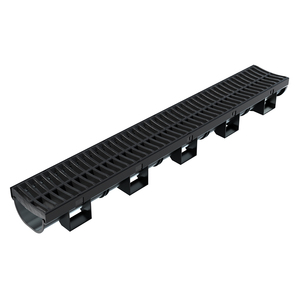
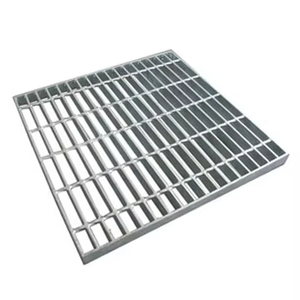
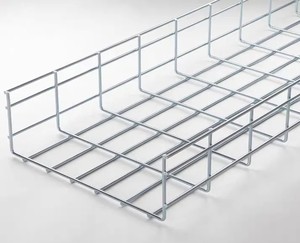
Deploying precision electroforging and automated pultrusion lines to eliminate structural failure risks in heavy industrial routing and harsh physical plants.
Eliminating crack propagation and joint dislocation. Applying hydraulic pressure in excess of 100 tonnes and 2,200 A current, our bearing and cross bars form homogeneous, monolithic weld nodes that withstand continuous seismic or machinery-induced cyclic micro-vibrations.
From bath-controlled hot-dip galvanization delivering >85 μm average zinc thickness under ASTM A123 to multi-stage acid pickling and electro-polishing for AISI 316/304 stainless accessories, our components prevent intergranular oxidation in saline and chlorine-rich offshore operations.
Eliminating field adjustments and torch cuts. We manufacture cable tray brackets, couplers, hold-down clips, and perforated raceways strictly against engineering layouts, integrating reinforced perimeter kick-plates and custom pipe clear cut-outs pre-banded directly in our facility.
Compare mechanical properties, chemical resistivity, and international compliance across our structural support product inventory.
| Material Classification | Yield Strength (MPa) | Corrosion Resistance | Applicable Standards | Recommended Applications |
|---|---|---|---|---|
| Hot-Dip Galvanized Carbon Steel | ≥ 250 - 355 | Class C3 - C4 (Industrial Atmospheres) | ASTM A123, BS EN ISO 1461, NEMA VE-1 | Power plants, outdoor substations, commercial grid risers |
| Austenitic Stainless Steel (AISI 316/304) | ≥ 205 - 290 | Class C5-M (Marine & Severe Chemical) | ASTM A240, AISI Standards, DIN 24537 | Offshore rigs, LNG terminals, pharma washdown facilities |
| FRP / GRP Pultruded Composite | ≥ 240 (Flexural) | Extreme (Acidic, Alkaline, Zero Rust) | ASTM E84 Class 1 (Fire Retardant) | Wastewater clarifiers, chemical battery rooms, rail lines |
| High-Tensile Galvanized Wire Mesh | ≥ 500 (Tensile) | Class C2 - C3 (Controlled Indoor/Sheltered) | IEC 61537, NEMA VE 2 | Hyperscale data centers, robotics assembly, telecommunication |
Emerging procurement standards and lifecycle cost metrics transforming international electrical balance of plant (EBoP) specifications.
Global EPCs are rapidly phasing out traditional bolt-and-nut couplers. Pre-punched snap-in fishplates and snap-lock tray brackets reduce labor hours by up to 45% during large-scale cable pulling runs.
Scope 3 emissions accounting has turned Environmental Product Declarations (EPDs) into mandatory tender requirements. Sustainable secondary-smelted, electric arc furnace (EAF) tray systems lead global infrastructure bids.
Next-gen Zn-Al-Mg continuous alloy coatings are replacing conventional batch galvanizing for harsh marine and solar installations, providing automated cut-edge self-healing and superior chloride barrier longevity.
Export shipments now require piece-level QR/RFID metal barcoding. Contractors verify exact tray run sequences, structural load capacity, and mill test certificates (MTCs) instantly on construction job sites.
Technological innovations driving high-voltage power transmission, thermal dissipations, and extreme-load applications.
High-density data infrastructure and renewable inverter stations produce concentrated localized Joule heating. Modern tray perforation layouts are engineered using computational fluid dynamics (CFD) to maximize convective airflow while preserving 100% mechanical load rating.
Thermoset vinyl ester resins mixed with trihydrate alumina are unlocking UL94 V-0 flame spread ratings alongside toxic zero-halogen emissions (LSZH). These advancements make FRP trays safe for enclosed subways, rail tunnels, and confined marine shipholds.
With critical facilities facing stricter IEEE 693 and IBC seismic codes, cable tray brackets and hangers are designed with integral rotational dissipation hinge fittings that absorb multi-axis harmonic ground acceleration without shearing fasteners.
Clear answers to critical queries raised by project managers, electrical consultants, and global procurement departments.
Send your takeoff sheets, isometric routing diagrams, or bill of quantities (BOQ). Our application engineers evaluate load constraints, advise on anti-corrosion metallurgy, and deliver competitive CIF/FOB export proposals within 24 hours.