China Top Copper Earth Plates Manufacturer & Suppliers serving the Luxembourg market

Engineered high-conductivity solid copper grounding plates, lattice earth systems, and integrated industrial walkway grids engineered to EN 50522, IEC 62305, and DIN EN 62561-2 standards for Luxembourgish critical infrastructure.

99.9%
CW004A Grade Oxygen-Free Copper
100+ t
Hydraulic Pressure Forge Capacity
≈2200A
Fusion Discharge Resistance Joinery
IEC / EN
Full European Compliance Auditing
Export Matrix • Industrial Subsystems

High-Spec Grounding Solutions & Engineered Access Systems

Tailored for EPC contractors, industrial distribution networks, and facility engineers operating across Luxembourg, Belval, and the Greater Region (Großregion).

Technical Architecture & Material Science

Engineering High-Dissipation Grounding Networks for Low-Impedance Regimes

A comprehensive examination of electrolytic copper performance, lattice dissipation mechanics, and galvanic stability across Luxembourgish bedrock and industrial soil profiles.

Solid vs. Lattice Earth Plates

Earth grounding systems deployed in high-resistivity terrains often fail when using standard vertical rods due to bedrock refusal. Solid copper earth plates (typically 600×600×3mm or 900×900×3mm) deliver a high capacitive surface area, ensuring direct capacitive coupling with moisture-retaining clay lenses.

Conversely, our mechanically stamped copper lattice plates distribute transient fault energy through cross-laid electrolytic copper ribs. This geometry generates an outward multidirectional current density distribution, minimizing inductive choking during high-frequency lightning discharge strikes up to 200 kA (10/350 μs waveform).

Metallurgical Integrity: CW004A Pure Copper

Our manufacturing facility strictly processes oxygen-free high-conductivity (OFHC) electrolytic copper grading at greater than 100% IACS (International Annealed Copper Standard). Chemical impurities such as oxygen, sulfur, and phosphorus are refined below 0.005%.

This purity prevents internal grain boundary embrittlement during exothermic welding (cadwelding) or heavy mechanical compression crimping. For corrosive industrial fill sites, plates receive molecularly bonded tin coatings (minimum 15 μm) to resist sulfuric atmospheric deposits, ammonia run-offs, and chloride migration.

Mitigating Step & Touch Potential

In modern Tier IV data centers, green hydrogen hubs, and automated rail grids, touch voltages during earth fault transients must remain strictly below the limits set by EN 50522 and IEEE Std 80.

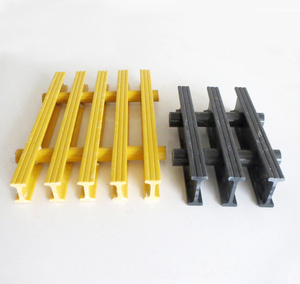
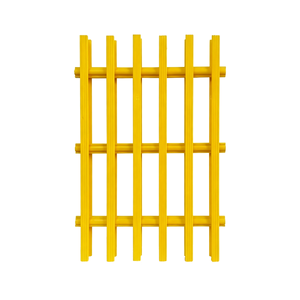
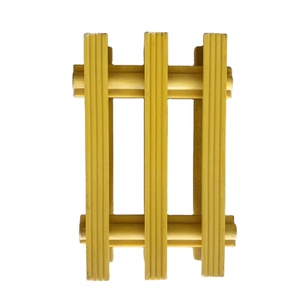
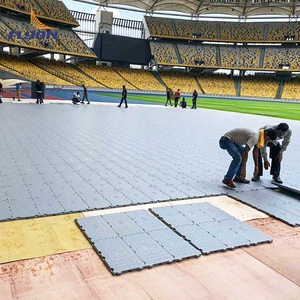
By coupling our high-purity copper earth plate arrays with non-conductive FRP mini-mesh surfacing and electroforged grounding grids, engineers establish an equipotential distribution envelope that dissipates kiloampere short-circuit transients safely without endangering maintenance staff standing within switchyard perimeters.

Localized Integration Profile

High-Reliability Earthing for Luxembourgish Industry & Public Utilities

Targeted solutions developed for the Grand Duchy's specific geological strata, banking datacenters, and industrial modernizations.

Belval & Esch-sur-Alzette (Steel & Research)

Retrofitting heavy electrical networks within historical brownfield steelworks. High fault currents require robust copper grounding mats and lattice plates to withstand mechanical ground compaction while offering minimal resistance in transformed industrial terrain.

Bissen & Betzdorf Tier IV Data Centers

Financial technology clusters demand near-zero electrical noise and transient ground dissipation below 1 Ohm. Solid copper plates embedded with bentonite backfills establish permanent low-impedance equipotential planes protecting mission-critical hyperscale server halls.

Ösling (Éislek) Rocky Bedrock Terrains

In northern schist and dense quartz sandstone formations where deep borehole rod driving is prohibitively expensive or geotechnically constrained, horizontal solid copper plate arrays and lattice fields offer optimal earth contact area within shallow topsoil.

Engineering Specifications

Standard Industrial Copper Earth Plate Configurations

Fabricated strictly to DIN EN 62561-2, BS EN 13601, and UL 467 certification parameters for immediate site application.

Product Code Type / Architecture Dimensions (mm) Thickness (mm) Surface Area (m²) Target Resistivity Environment Standard Lead Time
CP-SOL-6003 Solid High-Purity Copper Plate 600 × 600 3.0 mm 0.72 m² (Total) Medium / Dense Soil (< 200 Ω·m) Immediate Stock / 7 Days
CP-SOL-9003 Solid High-Purity Copper Plate 900 × 900 3.0 mm 1.62 m² (Total) High Resistivity Sandstone (> 350 Ω·m) In Stock / Custom Drilling
CP-LAT-6003 Expanded Lattice Grid Plate 600 × 600 3.0 mm (Rib) Optimized Flux Dispersal Rocky / Restricted Excavations Continuous Production
CP-LAT-9003 Expanded Lattice Grid Plate 900 × 900 3.0 mm (Rib) Extended Fault Dissipation Substation Earthing Arrays Continuous Production
CP-TIN-6003 Tinned Anti-Corrosion Plate 600 × 600 3.0 mm (15μm Sn) 0.72 m² (Passivated) Chemical, Estuarine & Railway Runoff Custom Chemical Treatment
Manufacturing Excellence

Why Major European Contractors Specify Our Manufacturing Lines

Combining heavy forge metallurgy, precision automated electro-fusion, and rigorous traceability to ensure zero site rejection.

100+ Ton Hydraulic Joining

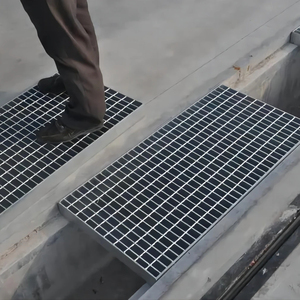
Our heavy manufacturing floor deploys high-tonnage automated hydraulic presses ensuring grain-level mechanical consolidation across earth plates, clamps, and bonded steel floor gratings.

2200A PLC Electroforging

Cross bars and structural plates are welded via computerized electroforging units applying 2200 amperes, fusing elements with no hollow joints, zero slag, and zero structural failure risks.

Certified EN / ASTM Metallurgy

All copper sheets and structural stainless components (AISI 304, 316, 309) undergo third-party chemical spectrograph audits and tensile testing with complete 3.1 Inspection Certificates provided.

Integrated Structural Access

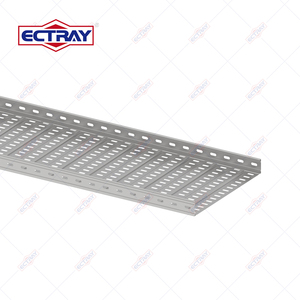
We are a single-source partner offering copper grounding plates alongside electroforged galvanized floorings, stair treads, cable trays, and non-conductive FRP platforms.

Engineering Guidance

Frequently Asked Questions • Luxembourg Projects

Clear technical answers addressing European standards compliance, soil conductivity, logistics, and installation parameters.

What standards govern copper earth plate installations in the Grand Duchy of Luxembourg?
In Luxembourg, grounding and lightning protection systems must strictly adhere to European and national harmonized standards, including EN 50522 (Earthing of power installations exceeding 1 kV a.c.), EN 62305 / IEC 62305 (Protection against lightning), and DIN EN 62561-2 (Lightning protection system components - requirements for conductors and earth electrodes). Our copper plates are certified to meet or exceed the electrical conductivity, dimension tolerances, and mechanical tensile strengths specified across these norms.
When should engineers specify a copper lattice plate instead of a solid copper earth plate?
A solid copper plate provides maximum contact surface area in moisture-retaining, low-resistivity clays. However, a copper lattice plate is generally preferred in areas where backfill material (such as low-resistance bentonite or conductive concrete) needs to permeate through the electrode structure. The lattice design offers lower high-frequency impedance during lightning strikes, requires less raw material mass for identical dimensional footprints, and prevents ground voids caused by water buildup beneath the plate.
How do you prevent galvanic corrosion between copper earth plates and adjacent steel structures?
Direct galvanic coupling between bare copper (an electrochemically noble metal) and structural carbon steel or galvanized steel rebar can accelerate steel corrosion. We resolve this by providing factory tinned copper earth plates (CP-TIN series), dedicated bimetallic transition connectors, or specifying dielectric FRP walkway gratings and cable trays (as showcased in our product lines) that insulate structural metalwork from high-conductivity earthing discharge paths.
What is the typical shipping lead time and customs clearance process to Luxembourg?
Consignments destined for Luxembourg are typically routed via direct ocean freight to Antwerp or Rotterdam (22–28 days transit), followed by bonded intermodal road transport to central hubs in Bettembourg or Luxembourg City. For critical project milestones, air freight directly to Luxembourg Findel Airport (LUX) is available. All shipments include complete export documentation, EUR.1 / Certificate of Origin, mill test certificates (EN 10204 3.1), and export-grade fumigated wooden crates.
Can custom drilled connection holes or factory-welded tail conductors be supplied?
Yes. We fabricate bespoke copper earth plates according to client CAD drawings. We can pre-drill two-hole or four-hole terminal lug configurations, chamfer corners, or factory-exothermically weld copper tape leads or 70mm²–240mm² stranded copper conductors prior to packaging, minimizing hot-work requirements and installation time on the construction site.

Request Technical Submittal Packages & Export Quotations

Get in touch with our engineering support desk for load calculations, resistivity estimates, sample plate requests, and full product catalogs delivered to your technical office.