
Direct manufacturing output featuring electroforged carbon steel, 304/316 stainless steel, pultruded phenolic FRP, and heavy-duty cable pathways built to strict international engineering specifications.
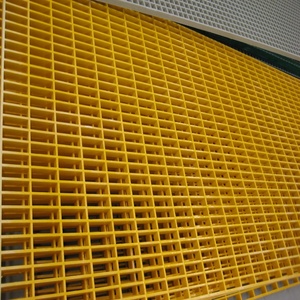
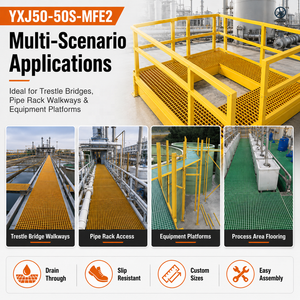
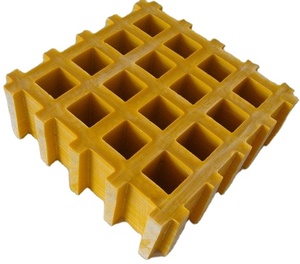
The architectural and civil engineering landscape of Greater Boston—spanning Suffolk, Middlesex, Essex, and Norfolk counties—imposes demanding performance envelopes on structural steel flooring. As civil contractors modernize historic deepwater shipping docks around the Port of Boston, upgrade Massachusetts Bay Transportation Authority (MBTA) rights-of-way, and construct high-load MEP mezzanines for Cambridge life science corridors, the selection of heavy-duty industrial plain steel grating is subject to stringent structural, geometric, and metallurgical parameters.
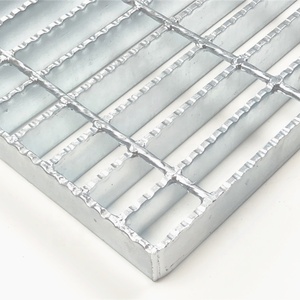
Industrial plain steel grating (commonly fabricated from structural carbon steel conforming to ASTM A36 or ASTM A1011 CS Type B) relies on a rigid grid of load-bearing flat bars joined at perpendicular intersections by square twisted cross bars or round tie rods. In civil engineering documentation across the Commonwealth of Massachusetts, structural drawings strictly stipulate NAAMM MBG 531 (Metal Bar Grating Manual) and ANSI standards. Specifiers frequently select "plain" surface profiles—characterized by clean, smooth-edged bearing bars—when walking friction must balance with wheel rollability, effortless de-icing shovel action, and high cleanability in HVAC or enclosed mechanical equipment rooms.
When drafting bid packages for Massachusetts commercial and public works, procurement teams must evaluate structural performance against environmental exposure classes. The following comparative data illustrates the technical differences among carbon steel electroforged gratings, stainless steel variants, and heavy-duty composite configurations.
| Grating Class | Material Standard | Joint Technology | Protective Finish | Boston Application Suitability |
|---|---|---|---|---|
| Standard Electroforged (W-19-4) | ASTM A1011 / A36 Carbon Steel | Forge-welded >100t force, 2200A PLC fusion | Hot-Dip Galvanized (ASTM A123, ≥85 μm) | Industrial walkways, Logan Airport maintenance catwalks, utility vaults. |
| Heavy-Duty Welded (W-30-4 / W-38-8) | ASTM A36 / Q235B / Q355B Carbon Steel | Deep penetration gas-shielded fillet weld | Self-color plain (mill finish) or ASTM A123 HDG | Conley Terminal loading bays, freight docks, MBTA bus maintenance pits. |
| Aqueous Stainless Steel | AISI 304, 316, 316L Stainless | Pressure welded & TIG banded | Pickled, Passivated & Electro-polished | Deer Island WWTP, Cambridge biopharma chemical storage, coastal salt splash. |
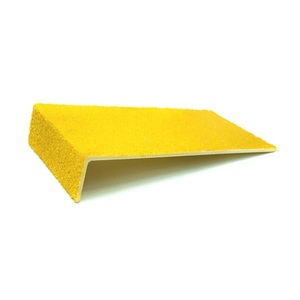
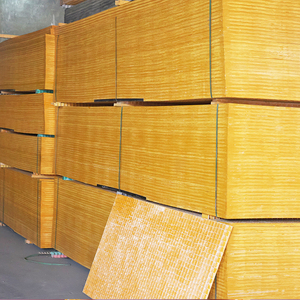
| Phenolic / Vinyl Ester FRP | E-Glass Strand + Pultruded Resin | Continuous thermal compression molding | Integrated quartz grit anti-skid | Electrically isolated substations, reagent battery rooms, marine wet piers. |
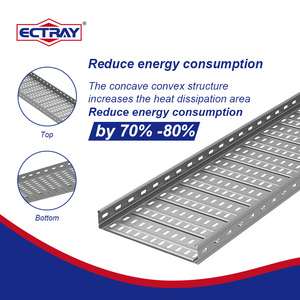
| Heavy Cable Tray Systems | Zinc-Aluminum-Magnesium (ZAM) Steel | High-precision CNC punch and roll-form | Super-dyma / Self-healing ZAM alloy | Coastal wind farm substations, telecom transit vaults, seaport power runs. |
Sourcing directly from premier Chinese steel grating factories allows North American structural steel fabricators, general contractors, and master distributors to secure high dimensional uniformity, verified metallurgical testing, and scalable volume output. Our automated manufacturing hub operates specialized, heavy-tonnage PLC-controlled electroforging lines alongside custom fabrication cells designed to meet American structural norms:
Standard plain bar grating panels (1m × 6m and 3ft × 20ft master panels) are generated using microprocessor-regulated forge presses that apply over 100 metric tons of continuous hydraulic load alongside 2,200 amperes of electrical resistance welding. This liquefies the junction between the square twisted cross bar and the flat bearing bar without filler metal, guaranteeing defect-free structural fusion with zero risk of vibration fatigue under cyclic Boston traffic.
Every project layout with penetrations—including piping risers, structural wide-flange column cutouts, circular inspection covers, and kick plates—is handled through automated CNC plasma and laser nesting tables. We execute full-depth perimeter banding bar welding as mandated by NAAMM MBG 531, preserving cross-sectional load distribution and preventing panel flare-out during field rigging.
Our dedicated galvanizing facility employs four-stage chemical pretreatments (degreasing, hydrochloric pickling, fluxing, and drying) before immersion into molten zinc baths maintained at 450°C (842°F). We deliver certified coating thicknesses exceeding 85 μm (600 g/m²), surpassing ASTM A123 requirements to counter harsh Atlantic marine breezes and roadway de-icing salts common in Massachusetts winters.
The urban, maritime, and technological landscape of Eastern Massachusetts features distinct regional demands for plain steel and specialty alloy gratings:
Heavy-duty welded plain bar grating for dockside stormwater trenches, roll-on/roll-off cargo aprons, and container crane rail utility troughs requiring H-20 wheel loading ratings under constant sea-spray exposure.
Ventilation shaft grates, trackside drainage culverts, and emergency egress catwalks spanning the Green, Red, and Orange lines, engineered to support pedestrian emergency flows without tripping hazards.
Mechanical penthouse flooring, rooftop chiller screen decks, and cleanroom air circulation plenums requiring mill-finished or 304 stainless steel plain gratings for laminar airflow and clean maintenance access.
Clarifier bridge decking, chemical dosing vaults, and sludge dewatering mezzanine floor panels fabricated with high-yield plain steel hot-dip galvanized or pultruded FRP systems resistant to hydrogen sulfide gas.
Procurement engineers operating in Massachusetts face an evolving set of municipal and climatic pressures that directly dictate industrial steel grating specifications:
1. Sea-Level Rise and Storm-Surge Inundation Protocols: Under Boston's Climate Ready Boston initiatives, structural components positioned below projected 2070 high-tide flood lines must withstand periodic saltwater immersion. For underground utility vaults throughout Downtown Boston and Back Bay, plain carbon steel with standard shop primer is being phased out in favor of thick-gauge ASTM A123 galvanizing (≥100 μm) or high-grade 316 stainless steel to eliminate spalling rust that can jam vault lift handles and weaken structural bearing seats.
2. Winter De-Icing Chloride Stress: New England winters involve extensive surface applications of rock salt (sodium chloride) and liquid magnesium chloride. Runoff passing through perimeter sidewalk vaults, parking garage ramps, and road culverts contains highly concentrated corrosive brine. Plain steel gratings configured with standard 1-3/16 inch bar centers provide an open, non-clogging path that prevents slush accumulation while withstanding aggressive chemical attacks better than unbanded expanded metals.
3. Prefabricated Modular MEP Assemblies: Due to dense union job-site staging constraints in downtown Boston construction zones, contractors are moving toward off-site prefabrication of entire MEP (mechanical, electrical, plumbing) skid modules. Chinese export manufacturers provide pre-cut, CNC-profiled, hot-dip galvanized plain grating panels tagged directly to structural steel shop drawings (BIM models), enabling direct crane-to-frame drop-in installations that reduce field cutting, eliminate hot-work permits, and lower overall project costs.
Addressing essential technical, regulatory, and logistics inquiries for importing plain and custom steel gratings into Massachusetts.
From heavy-duty vehicular trench grates for Conley Marine Terminal to precision-fabricated catwalks for Cambridge biopharma penthouses—our engineering team delivers mill-certified ASTM-compliant steel grating packages directly to your Boston staging facility. Submit your framing drawings, load specifications, and bar schedules today.