

Composite Floor Grating Factories & Exporter serving Mumbai

Precision-Engineered Heavy-Duty FRP, GRP & Electroforged Metal Grating Solutions Tailored for Maharashtra's Harsh Marine, Chemical, and Urban Infrastructure Ecosystems

Industrial Product Catalog

High-Performance Architectural & Structural Floor Gratings

Engineered for load-bearing capacity, anti-corrosion endurance, and occupational slip resistance under severe operational environments.

>100 T
Hydraulic Electroforge Pressure
2,200 A
Cross-Bar Fusion Electric Current
Zero-Scrap
Theft Deterrent Composite Value
ASTM A123 / B117
Standard Salt-Fog & Galvanizing Compliance

Technical White Paper: Engineering Resilient Flooring Grating for Mumbai's Industrial & Coastal Corridors

Specifying industrial flooring in the Mumbai Metropolitan Region (MMR) represents an intersection of structural mechanics, severe saline atmospheric exposure, and intensive urban water management. From the sprawling petrochemical complexes of Trombay, Mahul, and Patalganga to the maritime hubs of Jawaharlal Nehru Port Authority (JNPA) and the high-volume civil infrastructure managed by MMRDA and MCGM, flooring surfaces are subjected to extraordinary destructive vectors. The convergence of ambient humidity exceeding 85%, prolonged monsoon seasons discharging over 2,400 mm of annual rainfall, high ambient sulfur dioxide (SO₂) concentrations in industrial clusters, and airborne marine chloride particulates makes conventional untreated metallic decking economically unsustainable due to rapid oxidation and section loss.

As premier manufacturers and global exporters serving industrial procurement teams in Mumbai, Omkar Gratings (Omkareshwar Engineering) bridges the gap between precision metallics and advanced fiber-reinforced polymer (FRP/GRP) composite technology. Whether delivering monolithic electroforged steel gratings manufactured under 100+ tonnes of hydraulic force or pultruded and moulded composite grates, our engineering matrix addresses critical structural performance criteria: deflection limits under dynamic point loading, chemical inertness against saline mist and acid washouts, non-sparking safety ratings, and longevity in coastal environments.

Material Science Insight: In coastal Maharashtra, structural carbon steel without continuous passivation experiences corrosion rates reaching 80 to 200 μm per annum. By transitioning to high-purity Isophthalic Polyester or Vinyl Ester thermosetting resins reinforced with continuous E-glass fibers, chemical processing facilities achieve a maintenance-free service life exceeding 25 years without sacrificing structural load capacities.

Structural Anatomy: Composite Gratings vs. Metallic Platforms

Understanding the mechanical divergence between electroforged steel, austenitic stainless steel, and composite polymers is crucial for EPC contractors and project consultants drafting technical specifications:

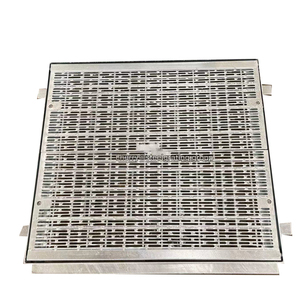
1. Electroforged Steel Grating Systems: Manufactured on PLC-automated lines where square-twisted crossbars are fused into load-bearing flat bars under extreme hydraulic pressure and 2,200 amperes of electrical current. This eliminates micro-crevices and weld porosity. Finished with hot-dip galvanization yielding coating thicknesses in excess of 85 microns (610 g/m²), these systems are ideal for high-traffic vehicular crossings, bridge drainage sumps, and structural frameworks where elastic modulus (E = 200 GPa) takes precedence.

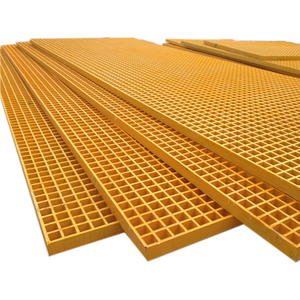
2. Composite FRP/GRP Gratings: Consisting of continuous woven roving fiberglass embedded within unsaturated thermoset resins. Moulded composite grates feature a bidirectional load distribution matrix, allowing intricate cut-outs for pipe penetrations, valves, and structural columns without compromising the integrity of surrounding open spans. The inherent flexural resilience dampens repetitive foot-traffic shock, significantly reducing worker fatigue on long processing platforms.

Performance Parameter FRP/GRP Composite Grating Hot-Dip Galvanized Electroforged Stainless Steel (AISI 316)
Tensile Strength (MPa) 310 - 450 (Resin dependent) 410 - 520 (IS 2062 Gr. E250) 515 - 620
Weight / Density Ratio 1.8 g/cm³ (~1/4th of Steel) 7.85 g/cm³ 7.98 g/cm³
Chloride & Saline Resistance Immune (Zero pit corrosion) Sacrificial Zinc Layer (Limited life) High (Susceptible to crevice pitting)
Electrical & Thermal Conductivity Non-conductive (Dielectric isolate) Highly conductive Thermally/Electrically conductive
Pilferage Risk / Scrap Resale Zero Residual Scrap Value Moderate Scrap Vulnerability Extremely Vulnerable to Theft
Slip Resistance Index Class R13 (Embedded Silica Grit) Serrated Surface Option (R11) Plain or Dimpled Profile (R10)

Load-Bearing Mechanics & Deflection Criteria

Structural platform design across Maharashtra's industrial zones mandates compliance with IS 800, IS 1893 (Seismic Criteria for MMR zone III), and international standards including BS 4592 and NAAMM MBG 531. In walkway design, deflection must not exceed L/200 (1/200th of clear span) or 6 mm under an assumed uniform distributed live load (UDL) of 3.0 kN/m² or a concentrated movable load of 1.5 kN. For heavy industrial service decks handling maintenance equipment, our deep bearing-bar profiles (spanning 25 mm up to 65 mm depths) ensure structural deflection remains well within elastic thresholds, preventing resonant vibration transfer to supporting steel structures.

MMR Industrial Deployments

Engineered for Mumbai’s Unique Operating Conditions

From saline harbors to volatile petrochemical units and high-capacity municipal transit networks, our grating products resolve critical engineering obstacles.

JNPT Port & Marine Wharves

Continuous exposure to saltwater spray and tidal surge zones at container terminals requires non-corroding FRP walkways, mooring jetty trench covers, and pontoon decks that eliminate maintenance repainting cycles.

Chemical Belts (Taloja & Tarapur MIDC)

Processing plants handling concentrated hydrochloric acid, caustics, and solvent scrubbing towers depend on Vinyl Ester molded composite gratings to replace corroded steel floor plates in acid containment areas.

Pharma Cleanrooms & Laboratories

Formulation facilities in Navi Mumbai and Thane require electro-polished AISI 316 stainless steel trench covers and smooth-finish non-porous FRP grid systems that withstand caustic CIP cleaning without chemical degradation.

MCGM Municipal Monsoon Drainage

Heavy-duty, heel-proof galvanized carbon steel sump gratings and composite stormwater trench grates designed with anti-debris slots prevent urban flooding during peak monsoon deluges across Greater Mumbai roads.

Substations & Power Utilities

Electrical substations across MMR require composite grating with zero electrical conductivity and high dielectric strength, serving as protective trench covers for MV/HV bus ducts and cable vaults.

Offshore Oil & Gas (Mumbai High)

Drilling rigs and production platforms demand flame-retardant, high-traction composite floor systems (ASTM E84 Class 1) that withstand continuous hydrocarbon exposure, seawater wash, and extreme wind shears.

Strategic Foresight

Emerging Trends Reshaping Grating Procurement in Mumbai

Key economic and technical evolutions driving capital expenditure decisions across Maharashtra's EPC projects.

Security & Asset Protection

Zero Scrap Value Eliminates Pilferage

Traditional cast iron and mild steel drain covers frequently face theft in high-density urban transit nodes. Mumbai contractors are aggressively converting civil tender specifications to composite GRP grates, which have zero scrap resale value, permanently ending street hazards and replacement losses.

Lifecycle Economics

Life-Cycle Cost (LCC) Dominates Capex

While galvanised grating presents lower initial purchasing costs, continuous recoating, scaffolding labor, and eventual replacement in marine zones drive 20-year expenditure up by 300%. Industrial asset managers now specify composite floor grating to reduce lifetime maintenance to near zero.

Construction Acceleration

Prefabricated BIM Modular Drop-In Grids

With massive infrastructure timelines across the Mumbai Coastal Road and Metro Rail networks, EPC contractors demand fully framed, custom banded, pre-cut panels delivered to drawing. This drastically eliminates on-site torch-cutting, hot-work permits, and coating damage.

Engineering Excellence

The Omkar Gratings Technical Advantage

Combining heavy-duty machinery with stringent quality management systems to deliver verified export-grade floor platforms.

PLC Controlled Automation

Precision hydraulic electroforging systems running at 100+ tonnes pressure and 2,200 A current ensure seamless cross-bar integration without internal defects or structural cold joints.

Custom Structural Fabrication

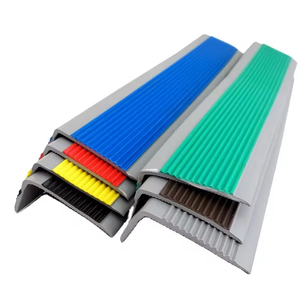
In-house computerized detailing translates complex AutoCAD/BIM drawings into accurate cut-outs, perimeter banding, toe-plate additions, and non-slip stair nosing configurations.

High-Purity Hot-Dip Galvanizing

Dedicated galvanizing bathtubs certified under ASTM A123 and IS 4759, achieving minimum coating thicknesses of 85 microns to resist harsh marine atmospheric weathering.

EN 10204 3.1 Traceability

Every delivery batch is accompanied by comprehensive Mill Test Certificates, covering chemical composition, ultrasonic crack detection, salt-fog testing, and deflection verification.

Technical Knowledge Base

Frequently Asked Technical & Procurement Questions

Direct answers for project engineers, procurement managers, and consultants specifying grating across Mumbai.

How do FRP composite gratings withstand Mumbai’s coastal monsoon climate compared to hot-dip galvanized steel?
FRP composite gratings are chemically non-reactive and contain no oxidizable iron compounds. In Mumbai’s coastal environment—where relative humidity routinely tops 85% and ocean breeze carries saline chlorides—hot-dip galvanized coatings eventually sacrifice their zinc barrier (typically eroding at 5 to 8 microns per year in coastal marine belts). Once the base steel is exposed, rust expands and causes structural failure. In contrast, composite gratings formulated with Isophthalic or Vinyl Ester resins do not corrode, blister, or suffer electrolytic degradation, maintaining full load capacity indefinitely without recoating.
What are the key technical parameters required to obtain an accurate engineering quotation?
To generate an optimized structural proposal, our engineering team requires: 1. Clear span between supports (L) and intended support width. 2. Design load profile: Uniformly Distributed Live Load (kN/m²) or Movable Point/Wheel Load (kN) including vehicle contact patch. 3. Operational environment: Chemical exposure types (acids, alkalis, solvents), temperature extremes, and marine zone categorization. 4. Panel dimensions, quantity, and required cut-outs (pipe pass-throughs, kick-plates, toe banding). 5. Surface condition: Concave meniscus or quartz-grit anti-slip finish for composites; plain or serrated for steel.
Can composite floor gratings accommodate heavy vehicle traffic like forklifts or fire tenders?
Yes. For vehicular traffic—such as chemical loading docks or emergency driveways—we manufacture Heavy-Duty Solid-Top or Deep-Profile Pultruded GRP grates (50 mm to 65 mm bar depths) and Heavy-Duty Electroforged Welded steel gratings designed to Class IRC-6 / MoRTH wheel load classifications. For forklift traffic, panel spans must be engineered to keep dynamic wheel contact deflection under L/250, ensuring that structural bearing bars do not experience premature fatigue delamination.
How does the anti-slip performance of composite grating behave under greasy or rainy outdoor conditions?
Our molded composite gratings feature permanently embedded silica/quartz grit cured directly into the top resin matrix (rather than sprayed on post-cure), or concave meniscus profiles. Under wet monsoon precipitation or industrial oil-misted conditions (such as machine decks in Taloja MIDC), these gratings achieve a slip resistance rating of R13 according to DIN 51130 and a coefficient of friction (COF) exceeding 0.75, far exceeding conventional smooth steel diamond plates.
What are the fire retardancy ratings of composite gratings for enclosed or offshore plant installations?
Our fire-rated composite gratings utilize premium halogen-free flame-retardant resins formulated with aluminum trihydrate (ATH) fillers. They meet ASTM E84 Class 1 (Flame Spread Index ≤ 25) and BS 476 Part 7 Class 1 surface spread of flame standards. In the event of hydrocarbon exposure, the structural resin self-extinguishes upon flame removal and maintains mechanical structural integrity during evacuation phases.
What logistics packaging protocols are enforced for shipments dispatching through JNPT Port?
For domestic projects in MMR and international export orders leaving Jawaharlal Nehru Port (JNPT), grating panels are grouped by installation layout, bundled with high-tensile polyester/steel strapping, protected with edge-cushioning sleeves, and secured onto fumigated ISPM-15 compliant hardwood skids. Panels are tagged with weatherproof metal barcodes matched to site erection drawings for rapid field staging.

Architecting Your Next Industrial Deck, Trench, or Platform?

Connect directly with our senior application engineering group for load-deflection calculations, resin selection matrices, BIM shop drawings, and competitive project quotations.

Contact Us