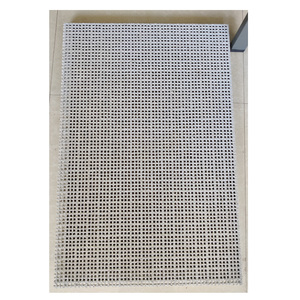

Engineered to international ASTM E84, ASTM D635, and BS 4592 standards. Custom molded resin profiles configured for rapid dispatch to Tanjung Priok, Jakarta.
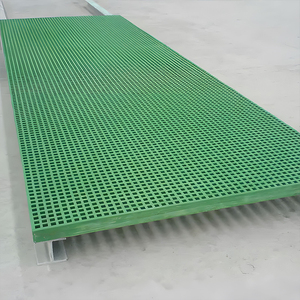
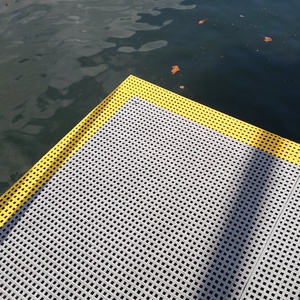
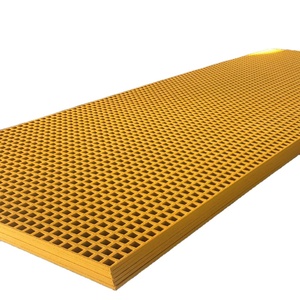
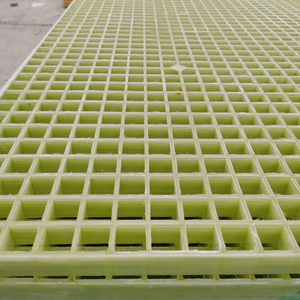
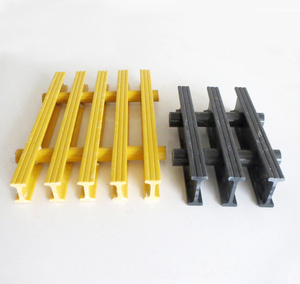
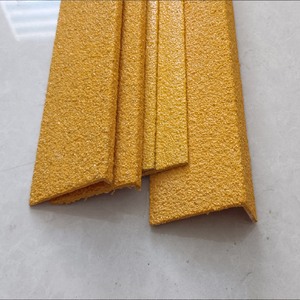
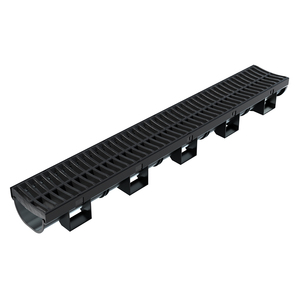
DKI Jakarta’s high humidity, coastal salinity, chemical processing hubs, and severe monsoonal flooding demand non-corroding structural flooring alternatives to galvanized mild steel.
Jakarta’s premier logistics hub experiences relentless exposure to marine aerosol, saltwater splash, and diesel exhaust. Traditional hot-dip galvanized steel gratings require frequent replacement due to accelerated rust. Our isophthalic and vinyl ester molded FRP gratings provide bidirectional flexural strength, permanent resistance to chloride-ion degradation, and integrated quartz-grit surfaces that prevent slip-and-fall hazards on wet cargo piers and stevedoring walkways.
Under the Jakarta Emergency Dredging Initiative (JEDI) and municipal polder systems, continuous operation of canal barriers, runoff pumping stations, and stormwater trenches is critical. Molded fiberglass mini-mesh gratings prevent debris infiltration while permitting unimpeded hydraulic flow. Unlike metallic grates, composite covers eliminate scrap-metal theft across North Jakarta canals and withstand constant microbial, hydrogen sulfide (H₂S), and acidic runoff attack.
Heavy chemical plants, automotive plating, and food-and-beverage processing zones require zero-maintenance elevated walkways, access platforms, and drainage trench covers. Our vinyl ester molded panels resist concentrated hydrochloric, sulfuric, and caustic soda washdowns. Non-conductive and spark-proof properties guarantee worker safety in classified explosive or high-voltage sub-station platforms across West Java manufacturing zones.
A comprehensive side-by-side technical evaluation designed for Indonesian engineering consultants, EPC contractors, and procurement supervisors.
| Evaluation Parameter | Molded FRP Grating (Vinylester / ISO) | Hot-Dip Galvanized Carbon Steel | Stainless Steel (AISI 304 / 316) |
|---|---|---|---|
| Corrosion Resistance (Chloride & H₂S) | Immune — Resists marine salt spray, acid, and caustic exposure | Poor — Sacrificial zinc layer degrades quickly in tropical coastal air | Moderate to High — Susceptible to chloride pitting and crevice corrosion |
| Weight Ratio & Handling | Approx. 1/4 the weight of steel; enables manual, no-crane installation | Heavy — Requires lifting equipment and high transport costs to site | Heavy — Identical density to carbon steel, difficult on-site retrofitting |
| Dielectric & Spark Properties | Non-conductive, non-magnetic, fully non-sparking (Safe for ATEX zones) | Highly conductive; high spark risk in explosive volatile petrochemical zones | Conductive; generates hazardous sparks upon heavy mechanical impact |
| Slip Resistance Classification | R13 Rated — Co-cured silica quartz grit or permanent concave meniscus | Serrated bar provides temporary traction; slips significantly when oily | Slick surface unless mechanical serration applied; prone to grease glazing |
| Theft & Resale Value Risk | Zero scrap resale value — Completely eliminates municipal grate theft | High vulnerability to scavengers and scrap theft on public access roads | Extremely high theft risk due to elevated nickel-alloy market pricing |
| Fabrication & Field Cutting | Easily cut using hand-held circular saws with diamond or masonry blades | Requires oxy-acetylene torch or plasma cutting; cut edges require regalvanizing | Demands high-power plasma cutters and specialized passivating treatments |
Analyzing the engineering and economic shift toward advanced polymer composite grating systems across Indonesian infrastructure.
North Jakarta faces severe coastal land subsidence and frequent tidal flood (Rob) inundations. Infrastructure managers are replacing traditional cast iron and galvanized gratings with molded fiberglass gratings that withstand permanent brackish water submergence without dimensional swelling, chemical rotting, or structural fatigue failure over multi-decade cycles.
Public infrastructure projects managed by DKI Jakarta provincial agencies suffer massive budget leaks from the persistent theft of steel and ductile iron drain covers. Thermoset composite FRP trench grates offer no secondary scrap redemption value, ensuring public storm trenches remain permanently covered, safe, and code-compliant.
Indonesian industrial developers are migrating from capital-expenditure-only mindsets to Total Cost of Ownership (TCO) calculations. While galvanized steel seems cheaper initially, continuous rust removal, painting, and premature replacement inflate lifecycle expenses by 300%. Molded FRP eliminates maintenance overheads, delivering long-term savings.
Essential guidance on resin formulations, customs clearance through Tanjung Priok Port, installation standards, and technical specifications.
The choice depends directly on the chemical environment. For marine docks, harbor facilities in Tanjung Priok, and urban municipal drainage, our Isophthalic Polyester Resin (ISO) offers superior salt-fog and water immersion resistance with an ASTM E84 Class 1 flame rating. For harsh industrial zones like Cikarang chemical processing facilities or battery assembly plants, Vinyl Ester Resin (VE) is recommended because it withstands severe organic acids, caustic washdowns, and continuous temperatures up to 105°C.
Molded FRP gratings feature interwoven, continuous E-glass roving laminated in high-pressure molds to provide bidirectional strength. For pedestrian traffic, a standard 25mm or 38mm thickness with a 38x38mm square mesh is standard. For heavy forklifts, dynamic loading docks, or truck-crossing trenches, we supply 50mm thickness heavy-duty molded profiles or pultruded industrial gratings with deep load bars engineered to satisfy AASHTO H-20 and H-25 wheel load criteria.
As an OEM factory exporter, we pack molded FRP panels onto export-grade fumigated wooden or steel pallets wrapped in UV-resistant film with heavy-duty edge corner protectors to prevent transit damage. Typical ocean freight from our factory port to Port of Tanjung Priok (Jakarta) takes approximately 10 to 14 days. We provide comprehensive documentation including Bill of Lading, Certificate of Origin (Form E/Form AK where applicable), Mill Test Certificates, and detailed Packing Lists to ensure seamless customs clearance through Indonesian Bea Cukai.
Yes. Based on your CAD drawings, our CNC routing equipment performs all circular pipe penetrations, structural column cut-outs, and edge trimming in-house. All raw cut edges are sealed with matching catalyzed resin to seal structural fibers against moisture intrusion. Alternatively, panels can be cut easily on site in Jakarta using an ordinary angle grinder equipped with a diamond-grit blade without causing panel unraveling or delamination.
All resin matrices used in our OEM production are formulated with concentrated UV inhibitors and light stabilizers (such as Tinuvin systems) alongside a pure resin surface veil. This formulation blocks severe ultraviolet degradation, prevents fiber-bloom, and maintains structural tensile properties even under equatorial sun exposure throughout Java, Sumatra, and East Kalimantan.
Combining heavy-tonnage molding technology, documented raw material traceability, and dedicated export logistics for global engineering leaders.
Our production floor operates multi-cavity precision compression molds equipped with integrated thermal heating and high hydraulic clamping forces. This eliminates voids, micro-fissures, and resin starvation to guarantee uniform structural load distribution.
We source premium isophthalic, vinyl ester, and phenolic resins paired with direct-draw continuous E-glass roving. Raw material batches undergo resin viscosity checks, barcol hardness calibration, and tensile testing prior to mold loading.
From complex industrial layout plans to municipal trench segments, we machine exact clearances, banding, and toe plates to match customer blueprints, reducing on-site fabrication labor in Jakarta by up to 70%.
Our experienced export management handles all phytosanitary certifications, container stuffing schemes to maximize freight volume, and rapid issuance of customs documentation for swift release through Tanjung Priok customs checkpoints.
Submit your panel dimensions, resin requirements, load parameters, and drawings. Our composite application engineers will provide complete load deflection calculations, samples, and factory-direct export quotes within 24 hours.