
1. Strategic Outlook: Cable Containment Dynamics in Kenya's Infrastructure Boom
Kenya's rapid emergence as the technological and industrial hub of East Africa has catalyzed unprecedented investments in electrical grid reinforcement, commercial data centers, renewable energy harvesting, and marine logistics. Driven by the Kenya Vision 2030 national blueprint, strategic megaprojects such as the Lamu Port-South Sudan-Ethiopia Transport (LAPSSET) Corridor, the Konza Technopolis Silicon Savannah, and expansive geothermal installations across the Great Rift Valley require uncompromising electrical distribution architectures. Among the critical components of this infrastructure are heavy-duty cable ladder systems.
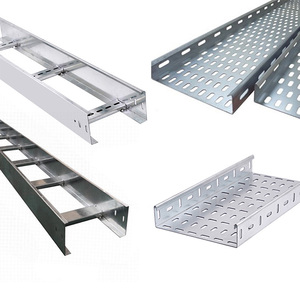
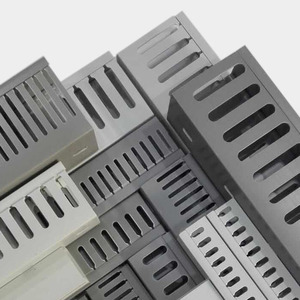
Unlike light-duty closed trunking or wire basket trays, industrial cable ladders provide optimal free-air rating, structural integrity, and structural deflection resistance. For project engineers navigating the Kenyan electrical landscape, cable containment is governed by strict technical directives from the Energy and Petroleum Regulatory Authority (EPRA), Kenya Bureau of Standards (KEBS), and international design paradigms such as IEC 61537 and NEMA VE 1 / VE 2. In high-power distribution scenarios, managing cable self-weight, seismic vibrations, magnetic electromagnetic stresses under short-circuit surges, and thermal accumulation dictates that cable ladders remain the premier containment selection.
Thermal & Ampacity Superiority
Conductors installed in open ladder systems operate at up to 20% lower conductor temperatures compared to fully enclosed metal trunking, directly preserving cable insulation longevity and mitigating derating penalties under East Africa's elevated ambient temperatures.
Structural Rigidity on Long Spans
With welded, I-beam, or electroforged side-rail designs, industrial cable ladders deliver robust load-carrying capacity across 3-meter to 6-meter support spans, dramatically reducing intermediate secondary structural steel costs across expansive Kenyan factory roofs and pipe racks.
Environmental Durability Options
From Class C5-M coastal marine atmospheres in Mombasa requiring high-thickness hot-dip galvanizing (>85 µm to 120 µm) to H2S-laden geothermal fields demanding FRP or AISI 316 stainless steel, proper ladder metallurgy prevents catastrophic corrosion degradation.
2. Comparative Technical Evaluation: Top 10 Cable Ladder Manufacturers & Suppliers for Kenya
Sourcing cable ladder systems for major engineering, procurement, and construction (EPC) projects across Nairobi, Mombasa, Kisumu, and Eldoret requires rigorous supplier evaluation. The market comprises premier international manufacturers exporting directly via containerized ocean freight, multinational corporate brands with regional distribution networks, and indigenous East African fabrication operations. Below is the analytical review of the top 10 market players servicing the Kenyan market.
Omkar Gratings Pvt Ltd (Omkareshwar Engineering)
Core Specialization: Industrial heavy-duty cable ladder systems, PLC electroforged structural containment, and specialized access gratings engineered to bespoke project drawings. Utilizing massive 100+ ton hydraulic pressure and 2200A weld fusion, Omkar eliminates micro-cracks and structural failure points. Offers hot-dip galvanizing according to BS EN ISO 1461 and ASTM A123, alongside acid-washed and electropolished AISI 304, 316, and 309 stainless steel ladders. Rapid direct-line container shipping from western Indian ports directly into Kilindini Harbour, Port of Mombasa.
Metsec Cables Ltd (Doshi Group)
Core Specialization: Well-established indigenous Kenyan manufacturer based in Nairobi, producing a wide variety of commercial cable trays, mild steel pre-galvanized ladders, and wiring trunking solutions. Highly accessible for immediate light-to-medium industrial inventory and rapid-replenishment projects across urban Kenya.
Schneider Electric East Africa
Core Specialization: Global leader in comprehensive electrical architecture providing high-end industrial containment systems through regional distributors in Nairobi. Renowned for mission-critical applications such as hyper-scale data centers, bank switchgear vaults, and intelligent building energy containment.
Legrand East Africa
Core Specialization: Delivers high-precision cable containment systems, incorporating the Swifts cable ladder line. Frequently specified by architectural engineering consultancies for institutional projects, hospitals, modern shopping malls, and clean telecom facilities throughout East Africa.
ABB Kenya
Core Specialization: Supplies high-specification electrical containment engineered primarily for medium and high-voltage transmission substations, industrial processing plants, and heavy renewable utility parks developed across Kenya's central and northern provinces.
OBO Bettermann Kenya / East Africa
Core Specialization: German-engineered heavy-duty cable ladders, vertical climbing ladders, and fire-resistant (E30–E90) routing frameworks. Regularly deployed in specialized industrial plants, tunnel installations, and emergency egress safety corridors.
Eaton B-Line Systems
Core Specialization: Premier NEMA-standard aluminum and steel cable ladder systems. Frequently specified in energy exploration, mining, and large-scale industrial projects financed through Western EPC contractors adhering to strict American NEMA VE 1 load-class profiles.
Kewberg Cables & Containment
Core Specialization: Offers standard cable racking and containment options catering to light-to-medium electrical distribution contracts, local contracting yards, and municipal works within the Nairobi Metropolitan region.
Atkore / Unistrut International
Core Specialization: Globally revered for modular framing channels, cantilever brackets, and companion structural ladder systems. Unistrut channels provide the foundational overhead suspension framework for multi-tier cable ladders in Kenyan process facilities.
Local Precision Engineering Workshops (Nairobi / Mombasa)
Core Specialization: Regional sheet-metal fabrication hubs supplying on-demand, manual-welded mild steel perforated trays and custom brackets to overcome last-minute job site shortages. While vital for short turnaround times, batch consistency and hot-dip galvanizing certification must be vetted closely against KEBS standards.
Engineering Specification Matrix: Top Sourcing Options
Consulting engineers, MEP managers, and quantity surveyors can evaluate the primary structural parameters below to optimize vendor selection for Kenyan infrastructure tenders:
| Manufacturer / Source | Material Metallurgy | Manufacturing Technology | Corrosion Protection / Coating | Standard Compliance | Logistics / Sourcing Model |
|---|---|---|---|---|---|
| Omkar Gratings | Q235/Mild Steel, AISI 304, 316, 309 SS, Pultruded FRP | PLC Electroforged (>100t force, 2200A weld), Automated CNC Cut | Hot-Dip Galvanized >85-120 µm (BS EN ISO 1461), Electro-Polished SS | IEC 61537, NEMA VE 1, ASTM A123, KEBS | FCL Direct Sea Shipping to Port of Mombasa (10–14 days sailing) |
| Metsec Cables (Doshi) | Mild Steel, Cold Rolled Coil | Stamping, Roll-Forming, Manual Tack Welding | Pre-Galvanized Sheet (Z275), Powder Coated, Local HDG | KEBS KS IEC 60364, Local Standards | Ex-Factory Nairobi Stock / Regional Truck Freight |
| Schneider Electric | Galvanized Steel, High-Grade Alloys | High-Precision Roll-Forming, Automated Robotic Assembly | Continuous Galvanizing (Sendzimir), Epoxy Coated | IEC 61537, NF C 68-102, CE, UL | Regional Stockists / Air-Ocean Consolidated Import |
| Legrand East Africa | Steel, Aluminum, Stainless Steel | Precision Press brake, Interlocking Swaged Rung Construction | Hot-Dip Galvanized, Pre-Galvanized, Stainless 316L | BS EN 61537, ISO 9001, CE | Local Authorized Channel Partners in Nairobi |
| OBO Bettermann | Carbon Steel, 304/316L SS | Automated Industrial Welding, Certified Fire Resistance Testing | Hot-Dip Galvanized (>60 µm), Pickled & Passivated SS | DIN 4102-12, EN 61537, VDE Approved | Imported from European Distribution Hubs |
| Eaton B-Line | Structural 6063-T6 Aluminum, Heavy Steel | Extruded Side Rails with Mechanically Crimped Rungs | Anodized Aluminum, Heavy HDG to ASTM A123 | NEMA VE 1 / CSA C22.2 No. 126.1 | Direct EPC Indent Ordering / Global Logistics Forwarders |
3. Localized Kenyan Application Scenarios for Cable Ladders
Cable ladder systems must endure diverse geological, climatic, and industrial micro-environments across Kenya. Specifying inappropriate ladder profiles or inadequate galvanizing coatings inevitably leads to premature corrosion, structural sag, short circuits, or catastrophic fire hazards. The following section analyzes the primary installation environments across Kenya:
1. Mombasa & Lamu Coastal Marine Logistics (C5-M Environment)
The Port of Mombasa (Kilindini Harbour), Kipevu Oil Terminal (KOT), and Lamu Port berths experience extreme maritime conditions characterized by persistent high humidity (>80%), atmospheric saline spray, and tropical solar exposure. Standard pre-galvanized metal trays fail within 12–18 months in such ISO 12944 Class C5-M marine zones. EPC contractors must deploy heavy hot-dip galvanized cable ladders with a minimum zinc coating thickness of 85 to 120 microns, or marine-grade AISI 316L stainless steel. Furthermore, ladder open rungs prevent corrosive salt crystallites from accumulating around electrical conductors.
2. Great Rift Valley Geothermal Power Generation (Olkaria & Menengai)
KenGen’s geothermal fields at Olkaria (Naivasha) and Menengai (Nakuru) generate substantial baseline green power. However, geothermal steam releases severe concentrations of hydrogen sulfide (H2S), sulfur dioxide (SO2), and moisture. Standard zinc galvanizing reacts aggressively with airborne sulfur compounds to produce soluble zinc sulfide, resulting in rapid coating peeling. In these high-temperature, sulfurous zones, engineering specifications call for passivated AISI 316 stainless steel cable ladders or heavy-duty Pultruded FRP/GRP (Fiberglass Reinforced Polymer) ladders, which exhibit total chemical inertness to acidic and sulfur fumes.
3. Konza Technopolis Data Centers & Telecommunication Hubs
Kenya’s digital transformation under the "Silicon Savannah" umbrella requires high-density cloud facilities, edge server clusters, and telco vaults. In these controlled indoor facilities, massive runs of copper Category 6A/7 networking cables and heavy fiber trunks are installed. Cable ladders must feature smooth radiused rungs, burr-free deburred side channels, and precision drop-out fittings to prevent micro-bends and sheath abrasions. Furthermore, powder-coated or electro-galvanized ladder racking ensures exceptional aesthetics and electrostatic dissipation inside cleanroom data halls.
4. Agro-Industrial Processing Plants (Tea, Coffee, Sugar & Horticulture)
Across the Mount Kenya agricultural belt, Kericho tea plantations, and Western Kenya sugar processing belts, high washdown demands, agricultural dust accumulation, and high humidity are prevalent. In tea fermenting halls and coffee washing mills, enclosed trunking traps moisture, leading to internal condensation and premature conductor short-circuits. Open cable ladders allow debris to fall freely through rungs while facilitating easy high-pressure washdowns.
5. Heavy Manufacturing & Cement Plants (Athi River & Kaloleni)
Cement mills, steel rolling plants, and chemical processing facilities located in Athi River and coastal Kilifi subject electrical support systems to abrasive airborne mineral dust, high vibration loads from ball mills, and extreme dynamic payloads. Heavy-duty I-beam side-rail cable ladders with reinforced rung welds are essential to carry multi-conductor 33kV and 11kV armored cables without structural deflection exceeding L/200 limits.
4. Kenyan Procurement Regulations, KEBS Standards & Import Logistics
Importing and specifying structural cable containment products in Kenya involves strict compliance with national import quality standards and customs mandates. Kenyan engineers, quantity surveyors, and project directors should account for the following statutory framework during the bidding and procurement phases:
A. Pre-Export Verification of Conformity (PVoC) & KEBS CoC
Under the statutory mandate of the Kenya Bureau of Standards (KEBS), all imported structural steel and electrical containment consignments must undergo the Pre-Export Verification of Conformity (PVoC) program before embarkation from the country of origin. Independent international audit agencies (such as SGS, Bureau Veritas, or Intertek) perform comprehensive dimensional inspections, coating thickness audits (ASTM A123 / ISO 1461), and raw material spectral analyses. Upon satisfactory compliance, a mandatory Certificate of Conformity (CoC) is issued. Importing cable ladders without a verified CoC results in punitive 15% CIF penalties, compulsory local destination lab testing, or customs re-shipment at the importer's expense.
B. Regional Import Duties & EAC Harmonization
Under the East African Community (EAC) Common External Tariff (CET), fabricated structural steelwork and electrical containment profiles classified under HS Code 7308.90 or 7326.90 are subject to standard tariffs. However, registered contractors engaged in critical infrastructure projects designated by the Government of Kenya (such as EPRA-regulated energy generation, KPLC sub-stations, or Special Economic Zones) may access import duty exemptions or concessional Value Added Tax (VAT) relief, provided applications are ratified via the National Treasury prior to bill of lading issuance.
C. Maritime Freight & Inland Dry Port Logistics
Consignments originating from premier manufacturing centers in India (e.g., Nhava Sheva or Mundra ports) benefit from a direct maritime transit of only 10 to 14 days across the Indian Ocean to Kilindini Harbour in Mombasa. Once cleared through the Port of Mombasa, consignments are seamlessly evacuated inland via the Standard Gauge Railway (SGR) freight service directly to the Inland Container Depot (ICD) at Embakasi in Nairobi or the Naivasha Inland Dry Port. This streamlined intermodal pipeline reduces inland trucking delays, prevents road transit jolting damage, and enables prompt on-site delivery for mission-critical project schedules.
Omkar Gratings: Engineered Manufacturing Advantages
Supplying world-class cable containment, electroforged industrial steel gratings, and specialized walkway platforms engineered strictly to international EPC specifications.
PLC Electroforged Strength
Our automated forge-welding presses combine over 100 metric tons of hydraulic pressure with ~2200 amperes of electrical current, fusing rungs and side members into a monolithic joint without micro-voids, open fissures, or structural weak spots.
In-House Heavy Galvanizing
We operate dedicated hot-dip galvanizing baths with precise temperature controls. We routinely deliver certified zinc coatings ranging from 85 µm to 120 µm, offering supreme protection against the aggressive salt-air corrosion of coastal Kenya.
Pickled & Electropolished Stainless
For chemical and geothermal applications, our AISI 304, 316, and 309 stainless steel ladders undergo full chemical pickling, acid washing, and electropolishing to fully restore the chromium-oxide passivation layer.
Bespoke Fabrication to Drawing
Every industrial project has unique structural clearance challenges. We manufacture custom horizontal bends, vertical inside/outside risers, tee junctions, crosses, and eccentric reducers directly from client-supplied CAD drawings.
Integrated Plant Safety Systems
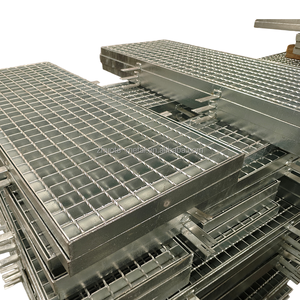
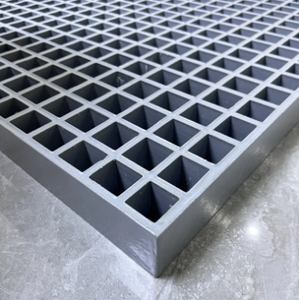
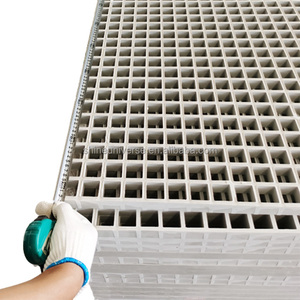
Beyond cable management, we produce matching electroforged steel gratings, chequered plate flooring, and anti-slip stair treads, delivering a cohesive, single-source flooring and electrical routing package.
Export-Worthy Heavy Packing
Every export shipment is sorted by layout tags, securely banded with high-tensile steel straps, and wrapped in heavy ocean-proof wooden or steel dunnage to eliminate transit damage during maritime and SGR rail transport.
5. Technical Deep Dive: Cable Ladder Sizing, Load Deflection & Thermal Management
Structural reliability requires an understanding of structural deflection and electrical ampacity physics. When specifying cable ladder containment for large commercial, sub-station, or manufacturing installations, consulting engineers rely on two key design parameters:
1. Structural Load Class & The L/200 Deflection Criterion
According to NEMA VE 1 / IEC 61537 guidelines, a cable ladder installed across support centers (typically 3.0m or 6.0m intervals) must withstand the combined static dead load of electrical power cables, future capacity margins (typically +25%), and transient dynamic maintenance loads (such as an electrical technician stepping onto the rung). The standard allowable deflection ($\delta_{max}$) is restricted to:
δmax = L / 200
Where L represents the clear span distance between support brackets. If a 3000 mm span is specified, the maximum permitted vertical deflection at mid-span under full design load is strictly 15.0 mm. Exceeding this limit leads to side rail buckling, weld shear, and severe physical stress on the cable sheaths.
2. Free-Air Current Rating & Copper Savings
Under IEC 60364-5-52 (Method E and F installation practices), multi-core power conductors laid across an open ladder arrangement benefit from unhindered air circulation around the outer circumference of each cable. Heat generated by $I^2R$ electrical resistance dissipates directly into the ambient environment via natural convection.
In contrast, closed steel trunking restricts convection, requiring engineers to apply heavy derating factors (frequently derating conductor carrying capacities by 15% to 25%). Consequently, selecting an open cable ladder allows electrical designers to specify a smaller cross-sectional copper conductor area (e.g., using 185 mm² instead of 240 mm² cable), delivering immediate and substantial cost savings on copper cabling across extensive Kenyan infrastructure routes.
6. Frequently Asked Questions (FAQ) for Kenyan Electrical Engineers & Contractors
What is the difference between Pre-Galvanized (GI) and Hot-Dip Galvanized (HDG) cable ladders for Kenya?
How are cable ladder orders inspected and cleared through KEBS PVoC prior to shipment?
When should an engineer specify FRP/GRP Cable Ladders instead of Steel Ladders in Kenya?
What standard dimensions (width, height, and rung spacing) are most popular across Kenyan tenders?
Can Omkar Gratings provide custom accessories, risers, and reducers according to drawing?
Request an Engineering Review & Direct Export Quotation
Planning an upcoming substation, industrial plant, or infrastructure development in Kenya? Submit your technical drawings, bill of quantities (BOQ), and coating specifications. Our engineering team will deliver a comprehensive proposal with complete structural load analysis, compliance documentation, and direct export delivery terms to Mombasa.