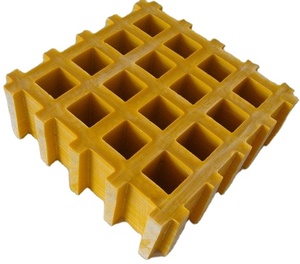
Precision-engineered wire basket trays, perforated cable containment systems, and heavy-duty FRP walkway grating manufactured to ISO 9001 and international EPC project standards.
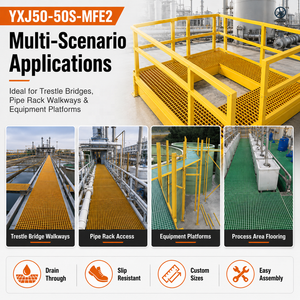
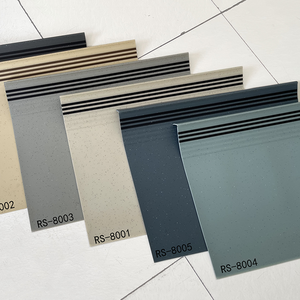
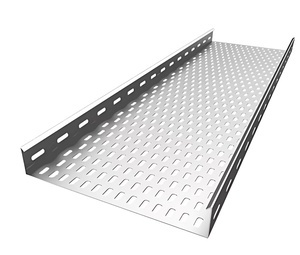
An in-depth analysis of structural load dynamics, thermal dissipation efficiency, metallurgy selection, and procurement strategies for engineering procurement contractors (EPCs).
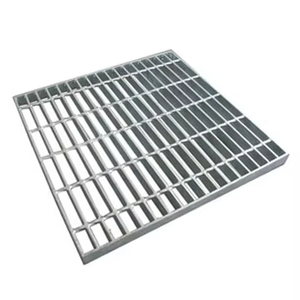
As leading OEM/ODM basket cable tray manufacturers, our facilities utilize advanced PLC-controlled electroforging and automatic mesh-welding machinery. By applying over 100 metric tonnes of hydraulic pressure combined with roughly 2200 Amperes of electric current, cross wires and longitudinal steel rods are fused into a monolithic structural matrix without requiring filler metals.
This automated forge-welding process eliminates structural micro-cracks and void defects while maintaining full material tensile strength. Whether utilizing high-grade carbon steel, AISI 304, AISI 316, or AISI 316L stainless steel, every basket cable tray section yields uniform dimensional tolerance across continuous export runs.
For aggressive industrial environments such as chemical dosing plants, offshore platforms, and wastewater facilities, surface protection dictates lifecycle longevity. Our plant integrates multi-tier surface processing lines:
Hot-Dip Galvanizing (HDG): Conforming to ISO 1461 and ASTM A123, providing zinc coating thickness exceeding 65–85 µm for extreme outdoor durability.
Electrolytic Polishing: For stainless steel basket trays, full pickling, acid washing, and electro-polishing are performed to passivate the alloy, remove heat tint, and guarantee smooth, burr-free wire surfaces that prevent cable jacket abrasion.
Exploring how next-generation hyperscale data centers, industrial automation, and green building certifications are reshaping cable management engineering.
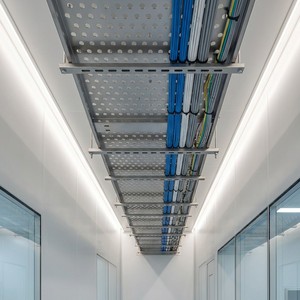
With the rise of high-density AI computing clusters and 800G optical networking, power consumption per server rack has escalated dramatically. Solid trunking systems restrict heat convection, creating thermal hot spots. Wire basket cable trays offer an open structural area exceeding 90% ventilation clearance.
This open structure maximizes ambient airflow, reducing artificial cooling loads in hyperscale facilities. Furthermore, wire mesh allows continuous drop-outs without requiring rigid conduit knockouts, eliminating severe bend-radius stresses on delicate fiber optic trunks.
Modern EPC contractors face compressed project timelines. Traditional ladder trays and sheet metal channels demand labor-intensive nut-and-bolt splices. Next-generation basket cable tray systems utilize snap-in fast couplers and pre-formed bend accessories.
Contractors report installation time savings of up to 60% when deploying spring-loaded, toolless wire mesh splice bars. Our ODM engineering team offers pre-fabricated wire elbows, tees, and reducers customized to client layout drawings, drastically cutting on-site cutting and field modification costs.
Engineering benchmark comparing wire basket cable trays against solid perforated trays, ladder systems, and composite FRP structures.
| Specification Metric | Wire Basket Cable Tray | Perforated Sheet Metal Tray | Industrial Cable Ladder | FRP / GRP Composite Tray |
|---|---|---|---|---|
| Open Air Ventilation Ratio | > 90% (Maximum Cooling) | 35% – 50% (Moderate Airflow) | 60% – 75% (High Ventilation) | 20% – 40% (Enclosed/Slotted) |
| Weight per Meter (50x300mm) | ~ 1.8 kg/m (Ultra-Lightweight) | ~ 3.6 kg/m (Heavy) | ~ 4.2 kg/m (Very Heavy) | ~ 2.1 kg/m (Lightweight) |
| Field Modification Speed | Fast (Cut & Bend on-site) | Slow (Requires Power Shear/Saw) | Rigid (Requires Factory Fittings) | Moderate (Dust Mask Required) |
| Corrosion Resistance Options | EZ, HDG, 304, 316L SS | Pre-Galv, Powder Coated, HDG | HDG, Painted Carbon Steel | Immune to Acids/Alkalis (FRP) |
| International Standards | IEC 61537, NEMA VE 1 | IEC 61537 | NEMA VE 1, CSA C22.2 | ASTM F3059, USCG Approved |
Key procurement considerations for supply chain leaders, EPC project managers, and distributor networks when selecting OEM cable tray suppliers.
One of the largest hidden costs in global cable tray procurement is ocean freight volume. Unlike rigid box-type trunking, high-precision wire basket cable trays can be nested within shipping pallets when designed with specific tapered wall angles.
Our export packing protocol utilizes compact wooden crate bundling and interleaved protective foam, maximizing 40-foot HQ container capacity by up to 60%. This significantly lowers freight cost per meter, ensuring factory-direct prices remain highly competitive upon arrival at overseas ports.
Procurement teams must demand strict verification of Safe Working Load (SWL) capacity under IEC 61537 testing methodology. Wire diameter thickness (typically 3.5mm to 6.0mm) must be verified prior to coating application to prevent undersized wire substitution.
Our quality control laboratory conducts batch-level tensile load testing, salt spray corrosion chamber testing (ASTM B117), and zinc layer thickness measuring. Mill Test Certificates (MTC) according to EN 10204 3.1 are issued with every shipment to ensure compliance with strict project owner specifications.
Direct technical guidance addressing common engineering queries from buyers, specifiers, and contractors.
Electro-Zinc (EZ) plating produces a smooth, aesthetic zinc layer (5–12 µm thick) ideal for indoor commercial installations, dry cleanrooms, and data centers. Hot-Dip Galvanizing (HDG) involves immersing fabricated carbon steel wire trays into molten zinc, forming a thick, alloyed zinc-iron barrier (65–85 µm thick) designed for harsh outdoor environments, chemical plants, and heavy industrial facilities.
Yes. As an dedicated OEM/ODM manufacturer, we offer full customization of side rail height (30mm, 50mm, 75mm, 100mm, 150mm), tray width (50mm up to 900mm), rod diameter (3.5mm to 6.0mm), and custom grid spacing. We can also integrate built-in dividers, drop-out plates, and custom mounting brackets constructed to your engineering drawings.
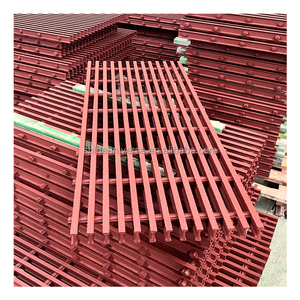
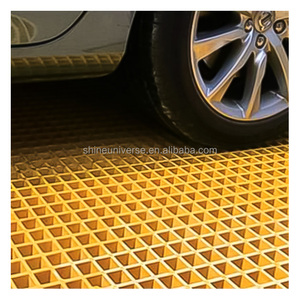
Fiberglass Reinforced Polymer (FRP/GRP) composite trays should be selected in highly corrosive chemical dosing rooms, marine platforms, and electro-sensitive installations where strong inorganic acids, alkalis, or high voltages are present. FRP is non-conductive, non-magnetic, and immune to rust, reducing long-term structural maintenance costs in coastal or chemical processing environments.
Steel wire basket trays maintain structural integrity under high temperature fire exposure based on the chosen material grade. Stainless steel (AISI 304/316) and specialized fire-resistant coated carbon steel trays comply with E30/E60/E90 circuit integrity standards under DIN 4102-12, ensuring critical life-safety cables remain supported during emergency evacuations.
To receive an accurate engineering quotation, buyers should provide material grade (e.g., Q235B steel, SS304, SS316L), wire diameter, tray dimensions (Width x Height x Length), surface coating specification, estimated total linear meters, destination port, and any CAD/BIM drawings detailing specialized fittings or mounting brackets.
Consult with our structural engineering team today to review project specifications, request certified load testing reports, or obtain factory-direct wholesale pricing.
Get Catalog